Understanding the operation process and working principle of a fine sand pneumatic conveying system is crucial for industries that rely on efficient and reliable transportation of fine particulate materials. This system, commonly used in various sectors such as construction, mining, and manufacturing, enables the seamless movement of fine sand and similar granular substances through an enclosed pipeline using air pressure or suction. The following sections provide a detailed overview of how this system functions, its key components, and the step-by-step operation process.
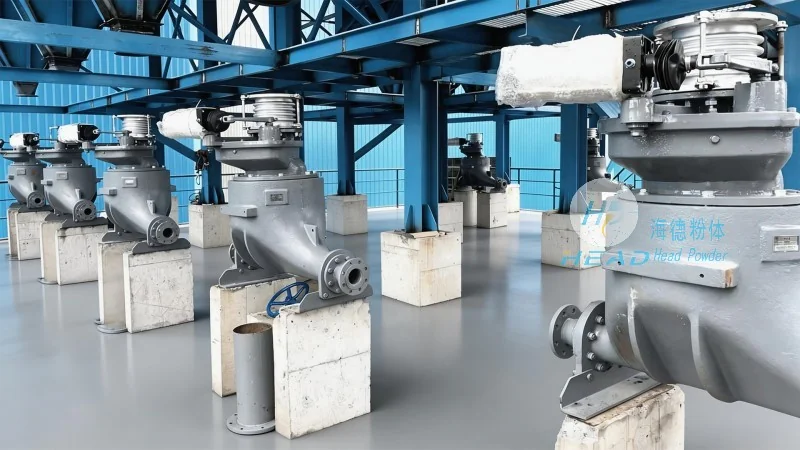
Working Principle of Fine Sand Pneumatic Conveying System
The core working principle of a fine sand pneumatic conveying system is based on the physics of fluid dynamics and particle transport. The system operates by creating a flow of air within a pipeline, either by supplying compressed air (positive pressure system) or by creating a vacuum (negative pressure system). The air flow generates sufficient velocity to lift and transport the fine sand particles through the pipeline. The key factors influencing the system's performance include the air velocity, particle size, density, and the system's pressure or vacuum level. Proper design ensures that the air velocity is high enough to overcome the gravitational forces acting on the particles but not so high as to cause excessive wear on the system components or cause particle degradation.
Key Components and Their Functions
A fine sand pneumatic conveying system consists of several critical components, each playing a vital role in the overall operation. The main components include:
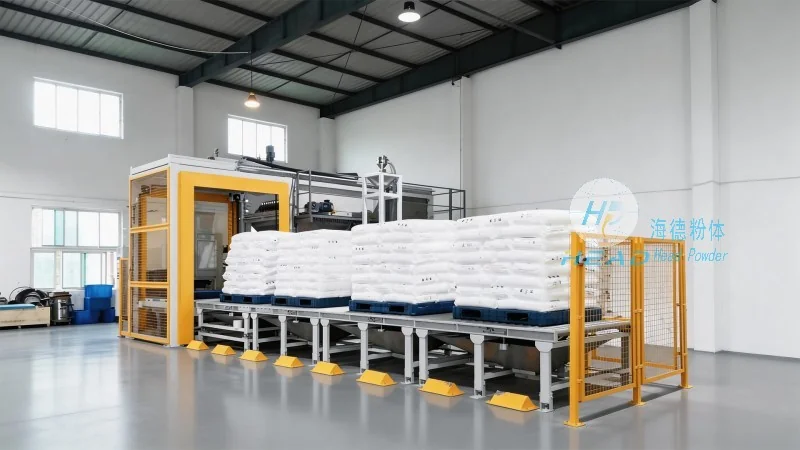
- Feeder: The feeder is responsible for introducing the fine sand into the system. It can be a rotary valve, a screw feeder, or a pressure vessel, depending on the application. The feeder ensures a consistent and controlled flow of material into the pipeline.
- Pneumatic Conveying Line: This is the main pipeline through which the fine sand and air mixture travels. The line is typically made of materials like stainless steel or plastic, chosen for their resistance to corrosion and wear from the fine particles.
- Separation and Collection Unit: At the end of the conveying line, the system separates the fine sand from the air. This unit may include a cyclone separator, a filter, or a baghouse, which captures the sand particles and returns them to the process or storage area.
- Compressor or Vacuum Pump (for positive/negative pressure systems): This component generates the necessary air pressure or vacuum to drive the material through the pipeline. The choice between a positive pressure system (using a compressor) and a negative pressure system (using a vacuum pump) depends on the application requirements and the distance over which the material needs to be conveyed.
Step-by-Step Operation Process
The operation of a fine sand pneumatic conveying system follows a systematic process, ensuring efficient and continuous material transport. The steps are as follows:
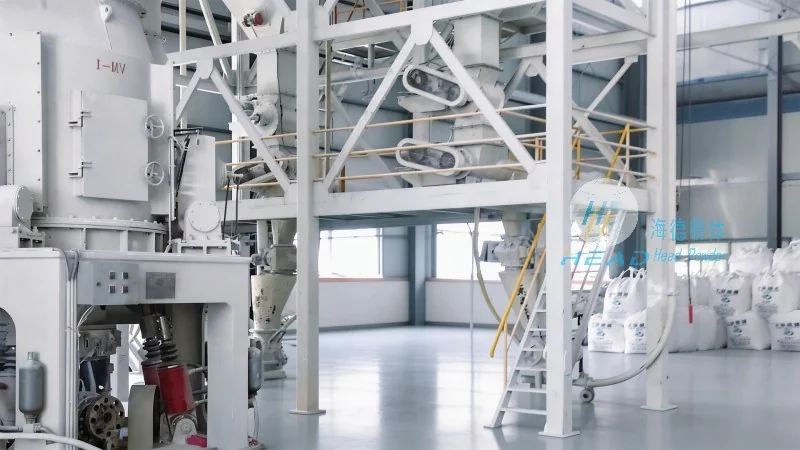
- Material Loading: The fine sand is loaded into the feeder. The feeder maintains a consistent feed rate, preventing overloading or underloading of the system.
- Air Intake and Compression: For a positive pressure system, the compressor draws in ambient air and compresses it to the required pressure. The compressed air is then introduced into the conveying line at the feeder end.
- Material Injection and Transport: The feeder releases the fine sand into the pipeline as the compressed air flows. The air velocity lifts and transports the sand particles through the pipeline. The mixture travels to the destination point, which may be a storage silo, a processing unit, or another location within the facility.
- Separation and Collection: At the receiving end, the separation unit operates. The air is separated from the sand particles. The sand is collected and either returned to the process or stored. The air, now filtered of any remaining particles, is either released to the atmosphere or recirculated back to the system.
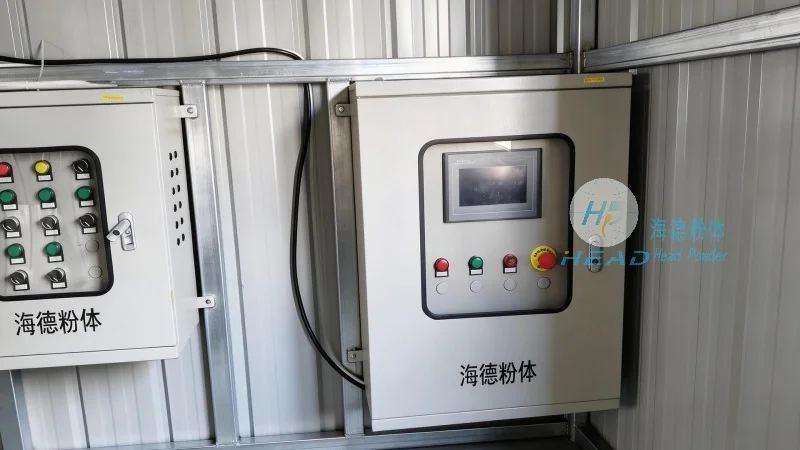
- System Maintenance and Monitoring: Continuous monitoring of the system's performance, including pressure, flow rates, and particle separation efficiency, is essential. Regular maintenance, such as cleaning filters and checking for wear on components, ensures the system operates at optimal efficiency and longevity.
Technical Advantages and Applications
Fine sand pneumatic conveying systems offer several advantages over traditional methods like belt conveyors or bucket elevators. These include:
- Efficiency and Speed: The system can transport fine sand over long distances with minimal energy consumption compared to other methods.
- Environmental Benefits: Enclosed pipelines prevent dust emissions, making the process more environmentally friendly and compliant with regulations.
- Low Maintenance: With fewer moving parts compared to mechanical conveyors, the pneumatic system requires less maintenance and has a longer service life.
- Flexibility: The system can be easily reconfigured or expanded to accommodate changes in production needs or facility layout.
Applications of fine sand pneumatic conveying systems are widespread across various industries. In the construction industry, it is used for transporting sand for concrete mixing and other applications. In mining, it helps in the transport of fine ore particles. In manufacturing, it is used in processes that require precise handling of fine materials, such as in the production of ceramics or pharmaceuticals.
Company Profile: Shandong HeadPowder Engineering Co., Ltd.
HeadPowder, the brand representing Shandong HeadPowder Engineering Co., Ltd., is a leading manufacturer and supplier of pneumatic conveying systems and related equipment. With a strong presence in China, specifically in Shandong, the company specializes in designing, manufacturing, and installing customized fine sand pneumatic conveying solutions tailored to the specific needs of its clients. The company's commitment to quality, innovation, and customer satisfaction has made it a trusted partner in the industry. By leveraging advanced technology and a deep understanding of material handling processes, HeadPowder delivers reliable and efficient pneumatic conveying systems that enhance operational efficiency and reduce costs for its clients. The company's facilities and expertise ensure that each system is built to meet the highest standards of performance and durability, providing long-term value to its customers.




