Shandong HeadPowder Engineering Co., Ltd., a leading manufacturer in the field of material handling solutions, specializes in the design, development, and implementation of advanced pneumatic conveying systems. Among their portfolio is the Paddy Grain Pneumatic Conveying Line, a sophisticated equipment engineered to efficiently transport paddy grains from one location to another within agricultural processing facilities. This system exemplifies modern engineering principles, combining reliability, efficiency, and adaptability to meet the demands of contemporary grain handling operations.
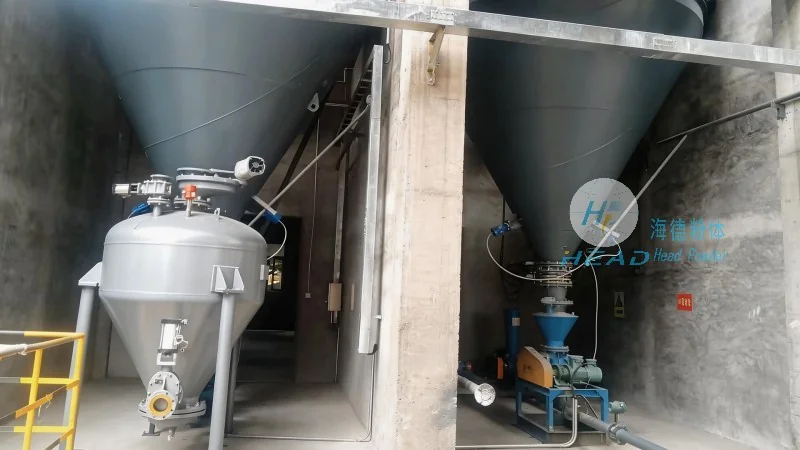
Key Components and Structure of the Paddy Grain Pneumatic Conveying Line
The Paddy Grain Pneumatic Conveying Line consists of several critical components that work in tandem to ensure seamless material transport. At its core is a network of pipelines, typically made from durable materials such as stainless steel or high-grade plastic, which are designed to withstand the abrasive nature of paddy grains and the pressure differentials involved in the conveying process. The system incorporates a series of airlocks, feeders, and control valves that regulate the flow of both the grain and the conveying air. Additionally, the line may include a hopper or storage silo at the inlet to accumulate the paddy grains before they are introduced into the system, and a discharge hopper or collection bin at the outlet to receive the conveyed material. The entire setup is equipped with a blower or compressor that generates the necessary air pressure to move the grains through the pipeline, ensuring consistent and controlled transport.
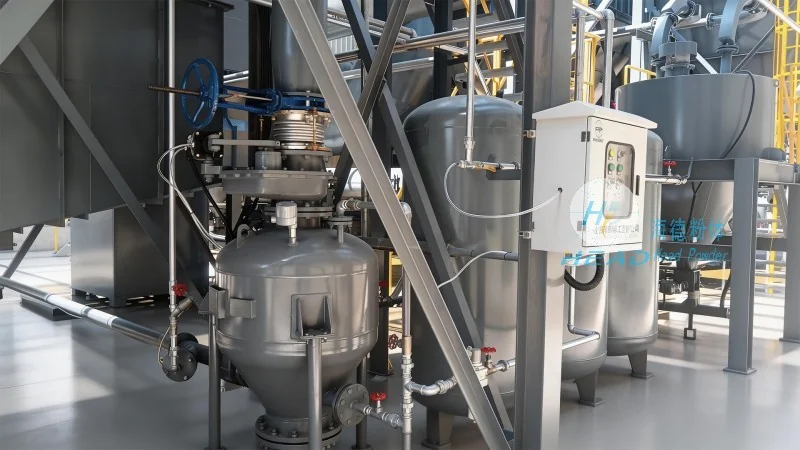
Operation Process: Step-by-Step Execution
The operation of the Paddy Grain Pneumatic Conveying Line follows a systematic sequence of steps to ensure optimal performance. Initially, paddy grains are fed into the inlet hopper from a storage silo or a processing unit. The feeder mechanism then regulates the flow of grains into the pipeline, preventing blockages and maintaining a steady supply. Simultaneously, the blower generates a high-pressure air stream that travels through the pipeline, creating a vacuum or pressure differential that propels the grains forward. As the grains enter the pipeline, they are carried by the air flow, moving from the inlet to the outlet. The airlocks at strategic points along the line prevent backflow and ensure that the grains are directed to the correct destination. Upon reaching the discharge hopper, the grains are released under controlled conditions, completing the transport cycle. The system is equipped with sensors and control panels that monitor pressure, flow rates, and other parameters, allowing for real-time adjustments to maintain efficiency and prevent operational issues.
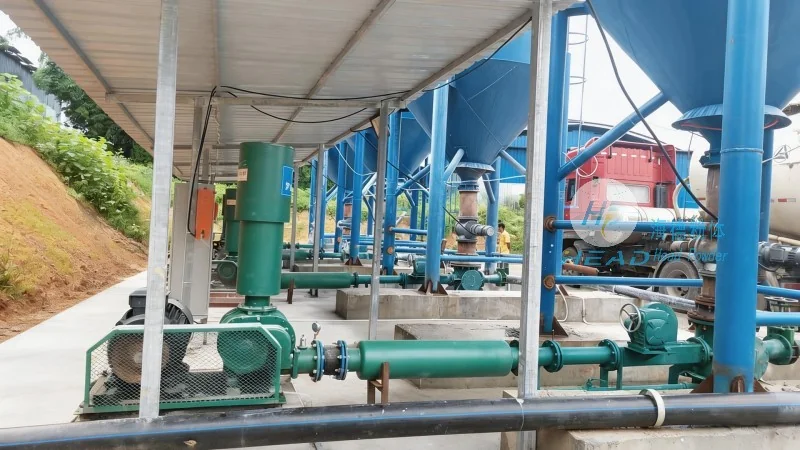
Working Principle: The Science Behind Pneumatic Conveying
The working principle of the Paddy Grain Pneumatic Conveying Line is based on the fundamental concept of pneumatic transport, where solid particles are suspended and transported by a moving air stream. The system operates by creating a pressure difference between the inlet and outlet of the pipeline. The blower supplies compressed air, which enters the pipeline and interacts with the paddy grains. The air flow entrains the grains, lifting them off the pipeline walls and carrying them along the path of least resistance. The velocity of the air stream is carefully controlled to ensure that the grains are fully suspended without causing excessive wear on the pipeline or equipment. The design of the system, including the angle and curvature of the pipelines, is optimized to minimize friction and energy loss, thereby enhancing the overall efficiency of the conveying process. The airlocks and valves are strategically placed to manage the flow and prevent the accumulation of grains, which could lead to blockages or pressure build-up. By leveraging the principles of fluid dynamics and material handling, the Paddy Grain Pneumatic Conveying Line achieves a high degree of efficiency and reliability in transporting paddy grains.
Advantages and Applications in Agricultural Processing
The Paddy Grain Pneumatic Conveying Line offers several advantages that make it an ideal solution for modern agricultural processing facilities. One of the primary benefits is its ability to transport paddy grains over long distances with minimal manual intervention. The system reduces the risk of contamination and damage to the grains, as the enclosed pipeline prevents exposure to external elements and mechanical handling. Additionally, the pneumatic conveying process is energy-efficient compared to traditional methods such as bucket elevators or belt conveyors, as it utilizes the air stream to move the entire load rather than relying on mechanical components. The system is also highly adaptable, allowing for integration with other processing equipment such as cleaners, dehullers, or dryers. It is commonly used in rice mills, where paddy grains are transported from storage to processing units, and in grain elevators, where grains are moved between different stages of the production process. The reliability and durability of the system ensure consistent performance, even under high-volume operational conditions, making it a preferred choice for agricultural processing operations.
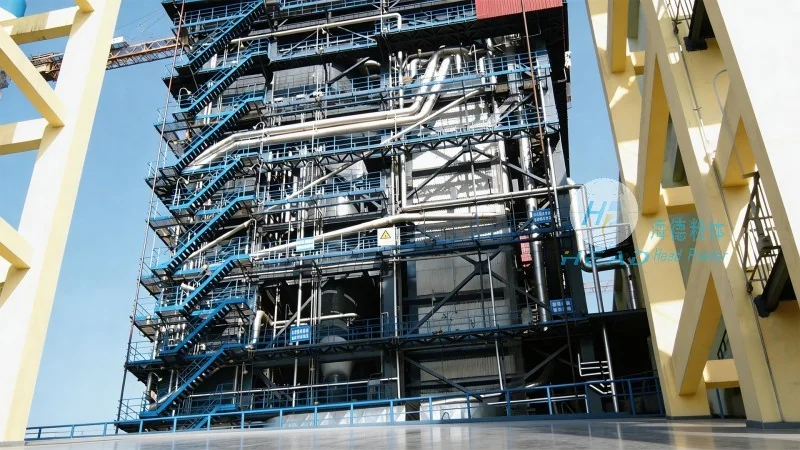
Conclusion: The Role of Paddy Grain Pneumatic Conveying Line in Modern Agriculture
In conclusion, the Paddy Grain Pneumatic Conveying Line developed by Shandong HeadPowder Engineering Co., Ltd. represents a significant advancement in material handling technology for agricultural applications. By combining advanced engineering with practical design, the system provides an efficient, reliable, and cost-effective solution for transporting paddy grains. The operation process, which involves precise control of air flow and grain feed, ensures optimal performance, while the working principle leverages the principles of pneumatic transport to achieve high efficiency. The advantages of this system, including reduced contamination, energy efficiency, and adaptability, make it a valuable asset for modern agricultural processing facilities. As the demand for efficient grain handling solutions continues to grow, the Paddy Grain Pneumatic Conveying Line stands as a testament to the innovation and expertise of Shandong HeadPowder Engineering Co., Ltd. in delivering high-quality material handling solutions that meet the evolving needs of the agricultural industry.




