Synthetic fiber pneumatic conveying systems are essential in modern industrial applications, particularly for the efficient handling and transportation of fine or bulk materials. These systems utilize compressed air or gas to move materials through a network of pipes, offering a flexible and reliable solution for various manufacturing processes. The equipment from Shandong HeadPowder Engineering Co., Ltd. is designed to meet the specific demands of the synthetic fiber industry, ensuring high performance and durability.
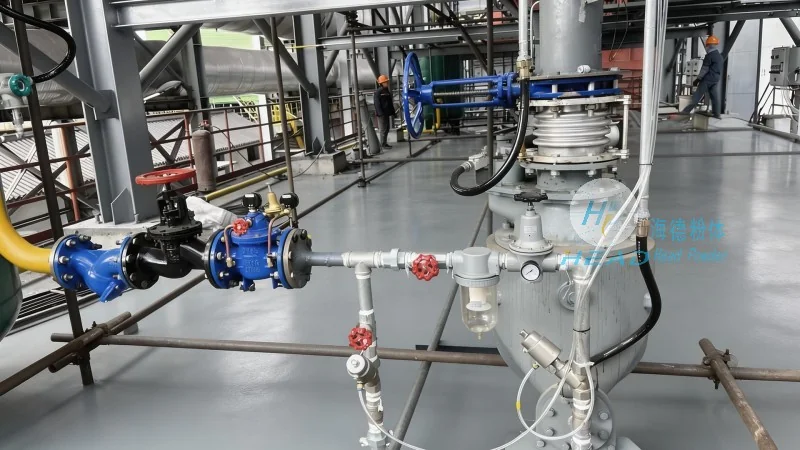
Overview of Synthetic Fiber Pneumatic Conveying System Equipment
Synthetic fiber pneumatic conveying systems are critical components in industries that handle synthetic fibers, such as polyester, nylon, and acrylic. These systems are designed to transport materials efficiently and safely, minimizing dust and ensuring consistent flow. The equipment from HeadPowder, a leading manufacturer based in Shandong, China, incorporates advanced technology to deliver reliable performance in demanding industrial environments.
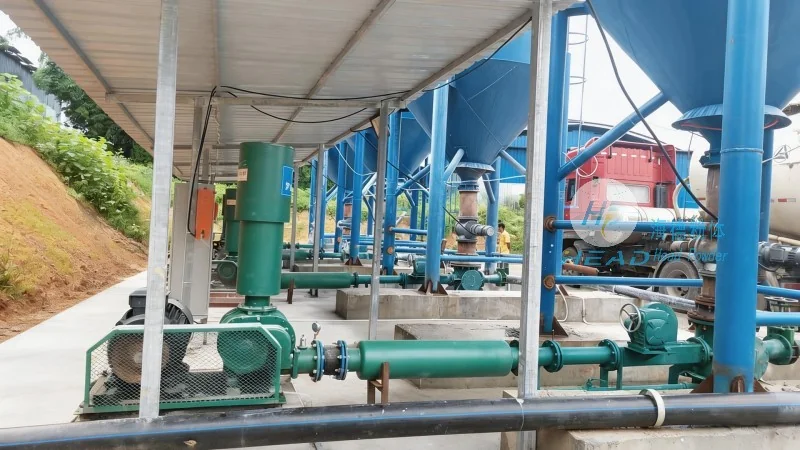
Key Components and Their Functions
The synthetic fiber pneumatic conveying system typically consists of several critical components, each playing a vital role in the overall operation. These include the material hopper, which stores the synthetic fibers; the air compressor, responsible for generating the necessary pressure to move the material; the conveying line, a network of pipes that transports the fibers; and the control system, which regulates the flow and pressure to maintain optimal performance. The material hopper is equipped with a feeding mechanism, such as a rotary valve or a screw feeder, to ensure a consistent and controlled feed of the synthetic fibers into the system. The air compressor, often a positive displacement type, provides the required pressure to create a vacuum or pressure differential that propels the fibers through the conveying line. The conveying line is made of materials resistant to the chemicals and abrasion associated with synthetic fibers, such as stainless steel or special plastic composites, to prevent wear and maintain efficiency. The control system integrates sensors and valves to monitor and adjust the pressure, flow rate, and material level in real-time, ensuring safe and efficient operation.
Operation Process of Synthetic Fiber Pneumatic Conveying System
The operation of a synthetic fiber pneumatic conveying system involves a series of steps that ensure the smooth and continuous movement of materials. The process begins with the loading of synthetic fibers into the material hopper. The feeding mechanism then starts, delivering a steady stream of fibers into the conveying line. Simultaneously, the air compressor activates, generating the required pressure. The compressed air is introduced into the conveying line, creating a flow that pulls the fibers along the pipe. As the fibers travel through the system, they are transported to the destination point, such as a storage silo or a processing unit. The control system continuously monitors the pressure and flow, adjusting the air supply as needed to maintain the desired conveying rate. The system operates in a closed loop, with the fibers being discharged at the end of the line and the air being filtered and recycled back to the compressor. This cycle repeats, ensuring a continuous and efficient operation of the system.
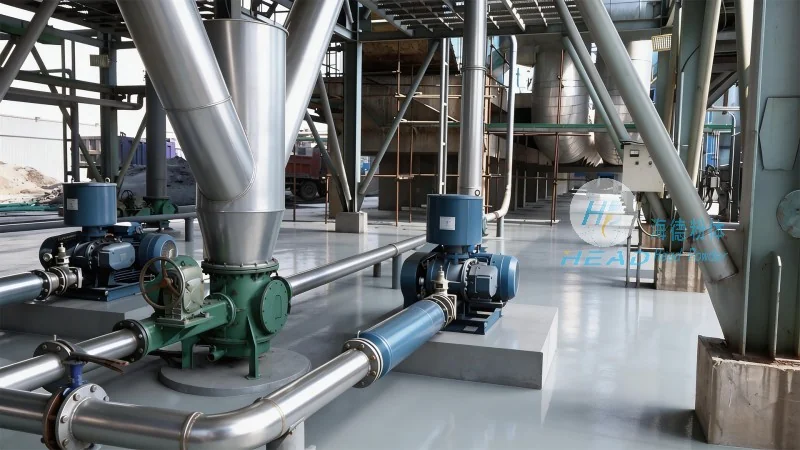
Working Principle of Synthetic Fiber Pneumatic Conveying System
The working principle of a synthetic fiber pneumatic conveying system is based on the principles of fluid dynamics and air pressure. The system operates by creating a pressure differential between the inlet and outlet of the conveying line. The air compressor generates high-pressure air, which is introduced into the inlet of the conveying line. This high-pressure air creates a low-pressure zone within the line, which draws the synthetic fibers into the pipe. The fibers are then carried along by the moving air stream, forming a dense phase or dilute phase flow, depending on the system design and operating conditions. The dense phase flow involves a higher concentration of fibers in the air stream, while the dilute phase flow has a lower concentration. The system's design, including the pipe diameter, length, and inclination, is optimized to achieve the desired flow characteristics. The control system plays a crucial role in maintaining the pressure differential and flow rate, ensuring that the fibers are conveyed efficiently without clogging or excessive pressure drops. The air used in the system is filtered to remove any particles or contaminants that could damage the equipment or affect the quality of the synthetic fibers.




