Shandong HeadPowder Engineering Co., Ltd., a leading enterprise based in Shandong, China, specializes in the design and manufacturing of advanced air-driven conveying systems tailored for the handling of lithium-ion battery electrode materials. These systems are crucial for efficient and safe material transport in the battery manufacturing process, ensuring optimal performance and reliability. The following content provides a detailed overview of the operation process and working principle of such equipment, highlighting key components and their functions.
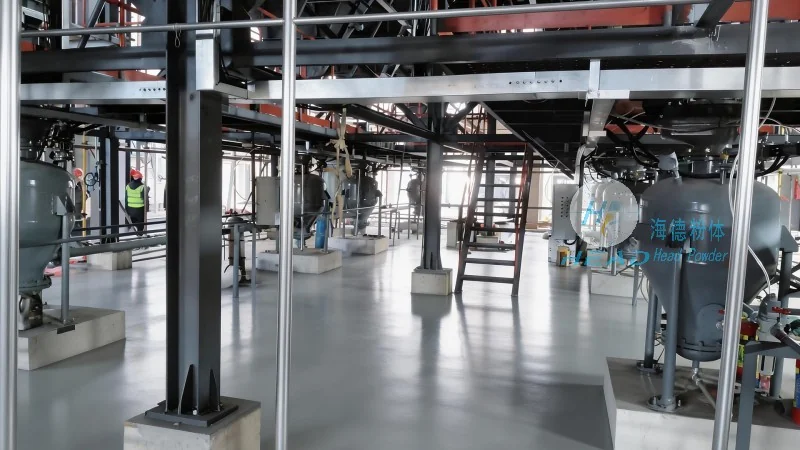
Key Components of the Air-Driven Conveying System
The air-driven conveying equipment for lithium-ion battery positive and negative electrode materials typically consists of several core components that work in tandem to facilitate material transport. The primary components include an inlet hopper or feeder for material loading, a conveying pipeline system, a separation or filter unit, and an outlet or discharge device. Each component plays a vital role in the overall system operation, ensuring that materials are conveyed with minimal loss and maximum efficiency.
Operation Process of the Air-Driven Conveying System
The operation process of the air-driven conveying system for lithium-ion battery electrode materials begins with material loading into the inlet hopper. The hopper is designed to accommodate bulk quantities of materials, such as graphite, nickel, cobalt, or other active materials used in battery production. Once the material is loaded, an air blower or compressor generates a high-pressure airflow that is introduced into the conveying pipeline. This airflow creates a negative pressure (in the case of suction systems) or positive pressure (in the case of pressure systems) within the pipeline, which pulls or pushes the material particles along the pipeline.
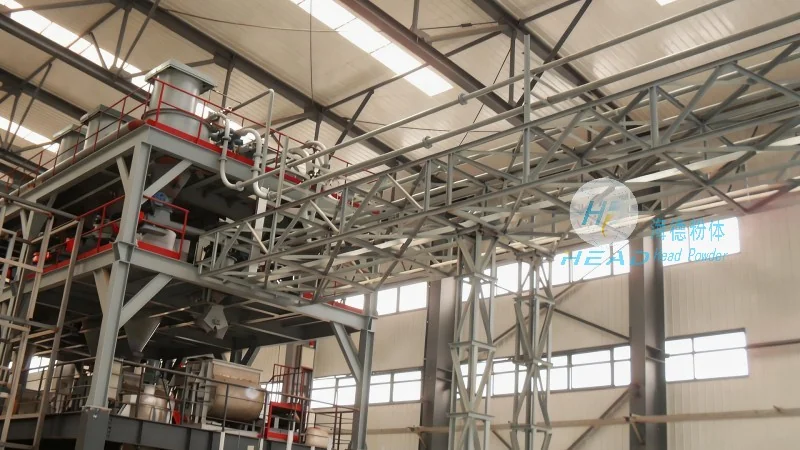
As the material travels through the pipeline, it is carried by the air stream. The pipeline may include bends, turns, or vertical sections, which are designed to accommodate the required path of the material from the loading point to the discharge point. The separation unit, often a cyclone or filter, is integrated into the system to separate the material from the air stream, preventing dust and particles from being released into the environment. The separated material is then collected in the discharge hopper or container, ready for the next stage of processing.
Working Principle of the Air-Driven Conveying System
The working principle of the air-driven conveying system relies on the principles of fluid dynamics and particle transport. In suction systems, a vacuum is created at the inlet, drawing material particles into the pipeline along with the air. The air acts as a carrier, moving the particles through the system. In pressure systems, the air is forced into the pipeline under pressure, pushing the material particles forward. The choice between suction and pressure systems depends on factors such as material characteristics, system layout, and the required transport distance.
The conveying pipeline is typically made of materials such as stainless steel or plastic, which are resistant to corrosion and wear from the battery materials. The air blower or compressor provides the necessary air volume and pressure to maintain the material flow. The system may also include control valves and sensors to monitor and regulate the airflow and material level, ensuring stable operation and preventing blockages or overloading.
Advantages and Applications in Lithium-Ion Battery Manufacturing
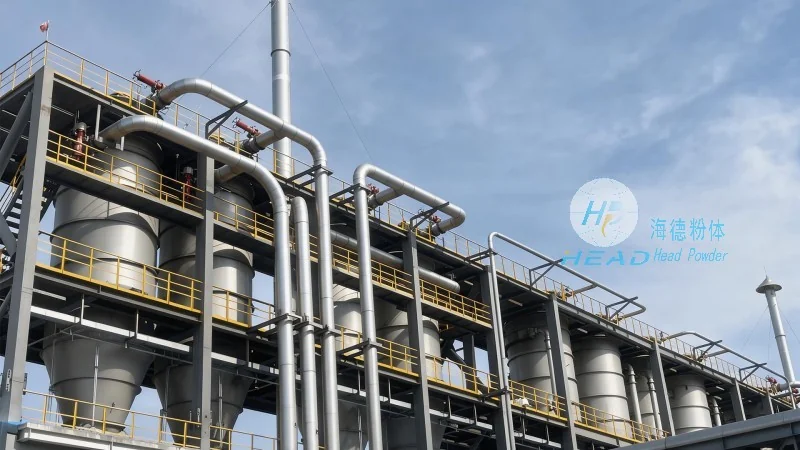
Air-driven conveying systems offer several advantages in the handling of lithium-ion battery electrode materials. These systems are highly efficient, capable of transporting large volumes of materials over long distances with minimal energy consumption. They are also flexible, as the pipeline layout can be easily modified to accommodate changes in production lines or facility layouts. Additionally, these systems are dust-free and enclosed, reducing the risk of material contamination and improving workplace safety.
Shandong HeadPowder Engineering Co., Ltd. has developed specialized air-driven conveying solutions tailored to the specific needs of lithium-ion battery manufacturers. By integrating advanced control systems and material handling technologies, the company ensures that its equipment meets the stringent quality and performance standards required in the battery industry. The systems are designed to handle various types of electrode materials, including powders, granules, and flakes, with consistent performance and reliability.




