Micronized powders, such as those used in industrial applications like pharmaceuticals, chemicals, and food processing, often require specialized handling due to their fine particle size and potential for dust generation. Pneumatic conveying systems offer an efficient solution for transporting these materials over short to medium distances. Among the various pneumatic conveying techniques, positive pressure and negative pressure systems are two of the most common approaches. This article provides a detailed comparison of these two methods, focusing on their operational principles, advantages, disadvantages, and typical applications, with a focus on the specific needs of micronized powder handling.
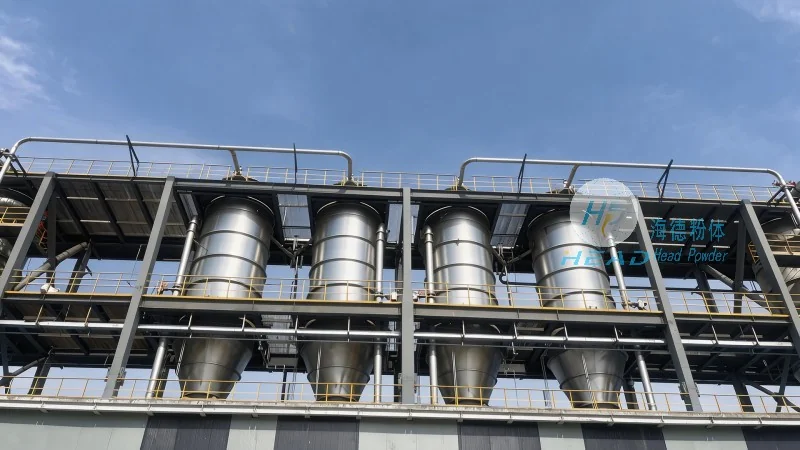
HeadPowder, a leading provider of engineering solutions for material handling, understands the critical role that effective conveying systems play in ensuring product quality and operational efficiency. Based in Shandong, China, HeadPowder specializes in designing and manufacturing customized pneumatic conveying equipment tailored to the unique requirements of micronized powders. The company’s expertise lies in optimizing the performance of both positive and negative pressure systems to meet the demands of modern industrial processes.
Understanding Pneumatic Conveying Systems
Pneumatic conveying involves the transportation of bulk materials using a stream of air or gas. The two primary methods—positive pressure and negative pressure—differ primarily in how they generate the necessary airflow to move the material. Positive pressure systems operate by blowing air into the conveying line, while negative pressure systems create a vacuum to draw material into the system. Both methods are widely used in the handling of micronized powders, each with distinct characteristics that make them suitable for different scenarios.
Positive Pressure Conveying: Advantages and Applications
Positive pressure conveying, also known as pressure conveying, uses a positive pressure blower to force air and material through the conveying line. This method is particularly effective for transporting powders over longer distances or through complex system layouts. The primary advantages of positive pressure systems include high conveying capacity, the ability to handle abrasive or corrosive materials, and the capability to transport materials from multiple sources to a single destination. Additionally, positive pressure systems are generally more resistant to blockages and can maintain consistent flow rates, making them ideal for high-volume applications.
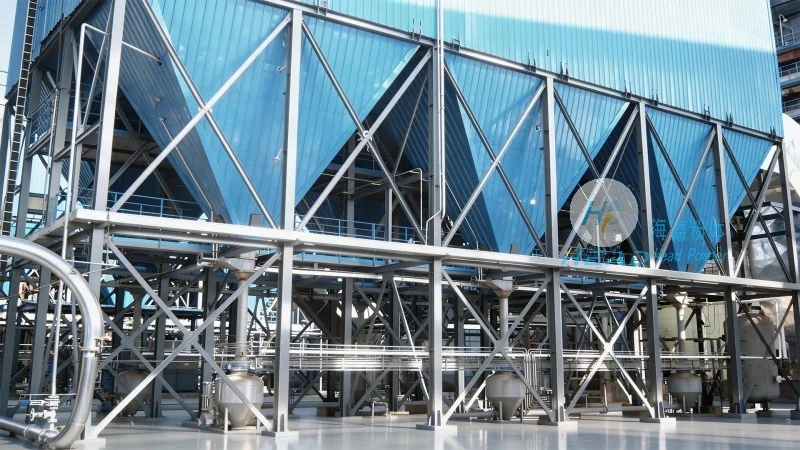
For micronized powders, positive pressure conveying is often preferred when the material needs to be transported from a central storage area to multiple processing points. The system can be designed with multiple discharge points, allowing for flexible distribution of the material. However, positive pressure systems require more robust equipment, such as high-pressure blowers and reinforced pipelines, which can increase initial investment costs. Furthermore, the higher air pressure can lead to increased energy consumption and potential for material degradation if not properly controlled.
Negative Pressure Conveying: Advantages and Applications
Negative pressure conveying, or vacuum conveying, operates by creating a vacuum in the conveying line to draw material from the source into the system. This method is commonly used for shorter distances and simpler system configurations. The key advantages of negative pressure systems include lower energy consumption compared to positive pressure systems, as they rely on the vacuum created by a rotary lobe or Roots blower. Negative pressure conveying is also more suitable for handling sensitive materials that are prone to degradation from high air pressure or friction. Additionally, the system is less likely to cause dust emissions at the source, as the material is drawn into the line rather than being blown out.
In the context of micronized powders, negative pressure conveying is often chosen for applications where the material is to be collected from a single point and transported to a processing unit. The system is particularly effective for handling materials that are prone to caking or agglomeration, as the vacuum helps maintain the material's flowability. However, negative pressure systems have limitations in terms of conveying distance and capacity. They are generally more susceptible to blockages and require careful maintenance to prevent dust leakage and system contamination.
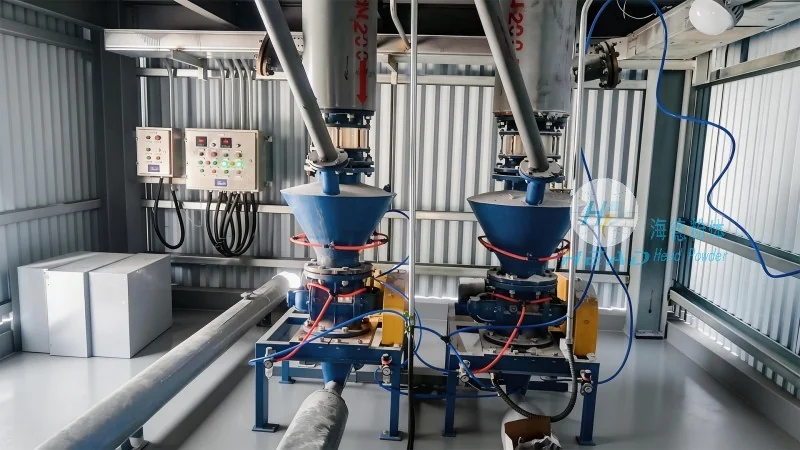
Key Differences and Performance Metrics
When comparing positive and negative pressure conveying for micronized powders, several factors must be considered to determine the most suitable method. The most critical performance metrics include conveying distance, material flow rate, system efficiency, and energy consumption. Positive pressure systems typically have a higher conveying capacity and can handle longer distances, making them more suitable for large-scale operations. Negative pressure systems, while more energy-efficient for shorter distances, are limited in their ability to transport materials over extended lengths or through complex networks.
Another important consideration is the impact on material quality. Positive pressure systems, due to their higher air pressure, may cause more particle attrition or degradation, especially for heat-sensitive or delicate powders. Negative pressure systems, operating at lower pressures, are generally better at preserving the physical and chemical properties of the material. This makes negative pressure conveying preferable for applications where product integrity is paramount, such as in pharmaceutical or food processing industries.
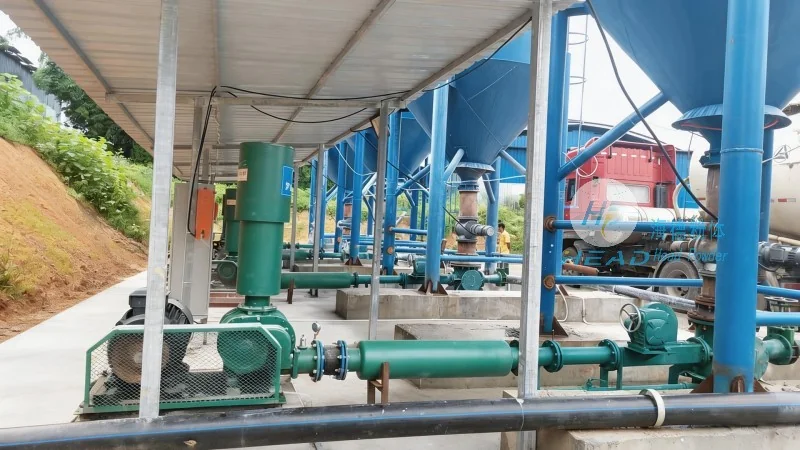
HeadPowder's Approach to Optimizing Conveying Systems
HeadPowder Engineering Co., Ltd., based in Shandong, China, leverages its expertise in material handling to design and implement customized pneumatic conveying solutions that address the specific challenges of micronized powders. The company’s engineers work closely with clients to assess their operational requirements, including material characteristics, conveying distances, and system complexity. By analyzing factors such as particle size, moisture content, and flowability, HeadPowder can recommend the most appropriate conveying method—whether positive or negative pressure—while optimizing system performance.
For positive pressure applications, HeadPowder designs systems with high-efficiency blowers and reinforced pipelines to ensure reliable material transport. The company also incorporates features such as pulse-jet cleaning and air filtration to maintain system efficiency and prevent material buildup. In negative pressure systems, HeadPowder focuses on minimizing energy consumption through the use of advanced vacuum pumps and efficient system design. The company’s solutions are tailored to meet the unique needs of each client, ensuring that the chosen conveying method aligns with the material's properties and the operational goals of the facility.
Conclusion: Choosing the Right Conveying Method
The choice between positive and negative pressure conveying for micronized powders depends on a variety of factors, including the specific application, material characteristics, and operational constraints. Positive pressure systems offer higher capacity and flexibility for longer distances, while negative pressure systems provide energy efficiency and better material preservation for shorter distances. HeadPowder Engineering Co., Ltd., with its headquarters in Shandong, China, specializes in providing tailored pneumatic conveying solutions that balance these factors to meet the needs of modern industrial processes. By understanding the advantages and limitations of each method, industries can select the most effective conveying system to ensure efficient, safe, and high-quality material handling of micronized powders.




