For companies operating in the battery materials industry, especially those dealing with negative electrode powders, the efficient and reliable transport of these fine particles is a critical operational challenge. A negative electrode material particle pneumatic conveying system offers a solution that combines advanced engineering with pneumatic technology to ensure safe, clean, and efficient material handling. This article explores the fundamental concepts behind such systems and outlines the key design principles that make them effective for handling sensitive battery materials.
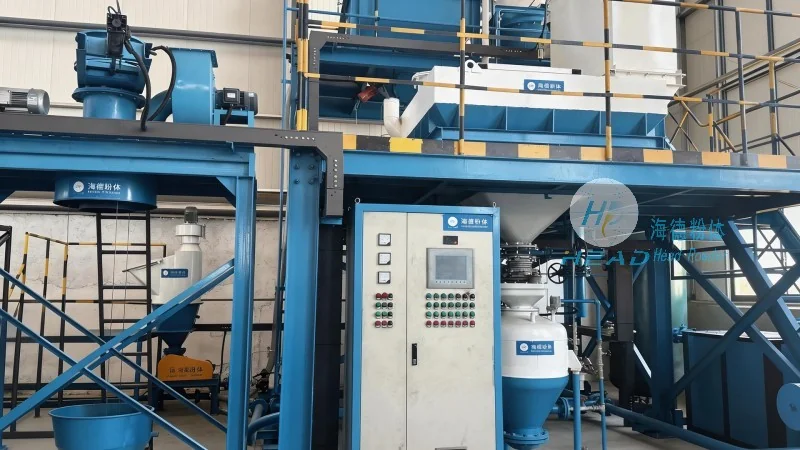
Key Components of a Pneumatic Conveying System for Negative Electrode Materials
At the core of any pneumatic conveying system is a series of interconnected components that work together to transport particles from a source to a destination. For negative electrode materials, which are typically fine, abrasive, and sensitive to moisture or contamination, the system design must prioritize material compatibility and process integrity. The primary components include a material feed hopper, a pneumatic conveying line (often equipped with cyclones or filters), a control system, and a discharge unit. Each component is selected to withstand the specific characteristics of the negative electrode powder, ensuring minimal degradation and maximum efficiency.
Design Principles for Optimal Performance
The design of a negative electrode material particle pneumatic conveying system is guided by several key principles aimed at maximizing throughput, minimizing material loss, and ensuring process safety. First, the system must be designed to handle the specific particle size distribution and flow properties of the negative electrode material. This involves selecting appropriate feed mechanisms, such as rotary valves or screw feeders, that can consistently deliver the material to the conveying line without clogging or bridging. Second, the air velocity and pressure within the conveying line are critical parameters. The design must ensure that the air velocity is sufficient to keep the particles suspended and prevent deposition, while also minimizing energy consumption. Third, the system must incorporate filtration and separation components, such as cyclones or bag filters, to prevent dust and fine particles from escaping into the environment, which is essential for maintaining a clean and safe working environment.
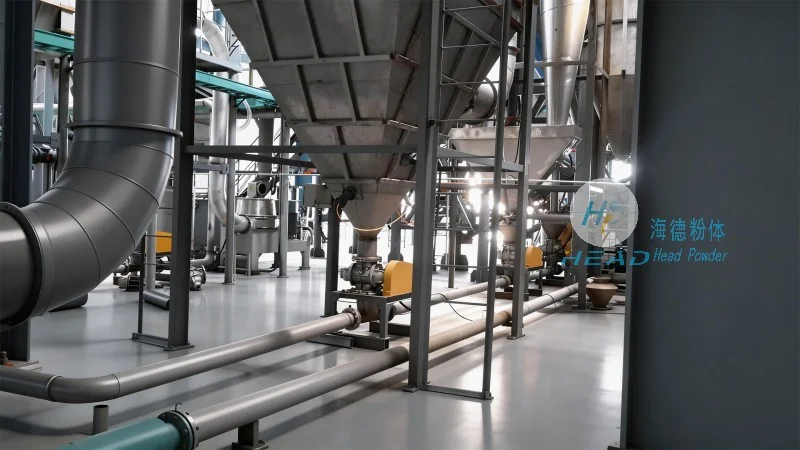
Engineering Considerations for Material Compatibility
Given that negative electrode materials are often sensitive to moisture, temperature, and contamination, the system design must incorporate materials that are chemically inert and resistant to corrosion. For example, components such as hoppers, conveying lines, and valves are typically made from stainless steel or other corrosion-resistant alloys to prevent the material from reacting with the system components. Additionally, the system may include drying or dehumidification units to maintain the material's moisture content within acceptable limits, as moisture can affect the material's performance and the overall battery manufacturing process. The design also considers the potential for particle agglomeration, which can lead to blockages or uneven flow, and incorporates features such as vibration or agitation to maintain particle dispersion.
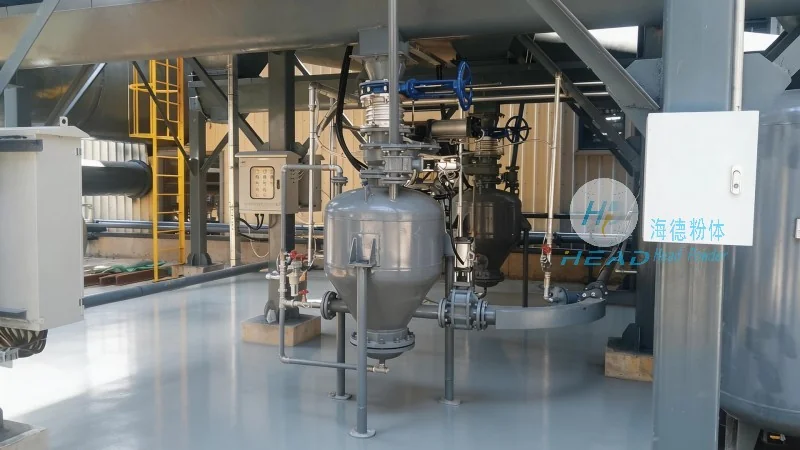
Applications and Benefits in Battery Manufacturing
Negative electrode material particle pneumatic conveying systems are widely used in the battery manufacturing industry for various applications, including raw material transport, intermediate processing, and final product packaging. The benefits of using such systems include improved process efficiency, reduced labor costs, and enhanced safety compared to traditional manual or mechanical handling methods. By automating the material transport process, manufacturers can achieve higher throughput and better control over the material quality, which is crucial for producing high-performance batteries. Additionally, the enclosed nature of pneumatic conveying systems helps to minimize dust emissions and maintain a clean production environment, which is important for both regulatory compliance and product quality.
Conclusion and Company Overview
As the demand for high-performance batteries continues to grow, the importance of efficient and reliable material handling systems, such as negative electrode material particle pneumatic conveying systems, cannot be overstated. The design principles outlined above—focused on material compatibility, optimal air flow, and process safety—ensure that these systems can effectively handle the unique challenges of negative electrode powders. HeadPowder, a leading provider of engineering solutions for the battery materials industry, specializes in designing and manufacturing customized pneumatic conveying systems tailored to the specific needs of its clients. With a strong commitment to quality and innovation, HeadPowder ensures that its systems meet the highest standards of performance and reliability, helping battery manufacturers achieve their production goals while maintaining safety and efficiency.




