Soybean grain powder conveying lines are specialized systems engineered to transport soybean-derived powders, such as soy protein isolates, soy flour, or other processed soy products, from processing facilities to storage or packaging areas. These lines are critical in the food processing industry, ensuring efficient and hygienic movement of bulk materials while maintaining product quality and safety standards. The design of these conveying systems is tailored to the unique properties of soybean powders, including their fine particle size, potential for static electricity, and susceptibility to moisture absorption.
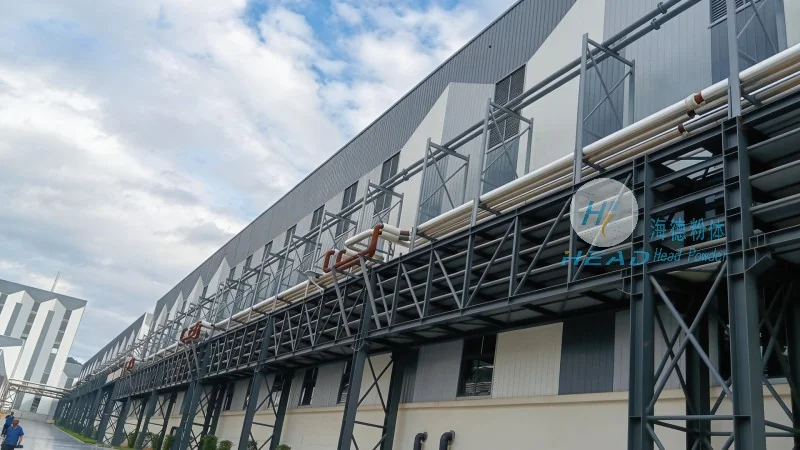
Key Components of a Soybean Grain Powder Conveying Line
The core components of a soybean grain powder conveying line typically include feed hoppers, conveyor belts or screw conveyors, dust collection systems, and control panels. Feed hoppers are used to store and meter the soybean powder, ensuring a consistent flow into the conveying mechanism. Conveyor belts, often made of food-grade materials like stainless steel or polyurethane, transport the powder through the system. Screw conveyors are another common option, particularly for vertical or inclined transport, as they can handle fine powders without the need for additional support structures. Dust collection systems are essential to maintain air quality and prevent product loss, as soybean powders are lightweight and can easily become airborne. Control panels allow operators to monitor and adjust the system's performance, ensuring optimal operation and safety.
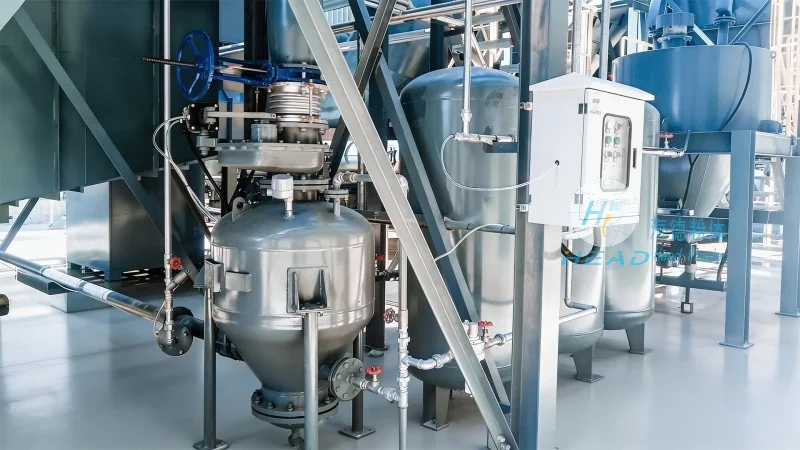
Design Principles for Efficient Soybean Powder Conveying
The design principles for soybean grain powder conveying lines focus on several key factors to ensure efficiency, reliability, and product integrity. First, the system must minimize product degradation, which can occur due to friction, impact, or exposure to air. This is achieved through smooth, low-friction surfaces and gentle conveying mechanisms, such as belt conveyors or pneumatic systems with low air velocity. Second, the system must address the issue of static electricity, which can cause powder buildup and affect flow. Anti-static materials and grounding systems are commonly integrated into the design to prevent this issue. Third, the system must be designed for easy cleaning and maintenance, as soybean powders can adhere to surfaces and require thorough sanitation to meet food safety regulations. This includes features like removable components, CIP (Clean-In-Place) compatibility, and smooth, non-porous surfaces. Finally, the system must be energy-efficient, as conveying large volumes of powder can consume significant power. This is achieved through optimized conveyor speeds, efficient motor selection, and energy recovery systems.
Application of Soybean Grain Powder Conveying Lines in Food Processing
Soybean grain powder conveying lines are widely used in various stages of soybean processing, from raw material handling to final product packaging. In the initial stages, these lines transport raw soybeans from storage silos to processing equipment, such as hullers or flakers. The processed powders, like soy flour or soy protein, are then conveyed to storage tanks or silos for further processing or packaging. During packaging, the conveying lines deliver the powder to filling machines, ensuring a consistent and controlled flow into bags or containers. The efficiency of these systems is crucial in maintaining production throughput, as delays in conveying can lead to bottlenecks in the entire processing line. Additionally, the hygienic design of the conveying lines is essential to prevent cross-contamination between different product batches, which is a critical requirement in food processing facilities.
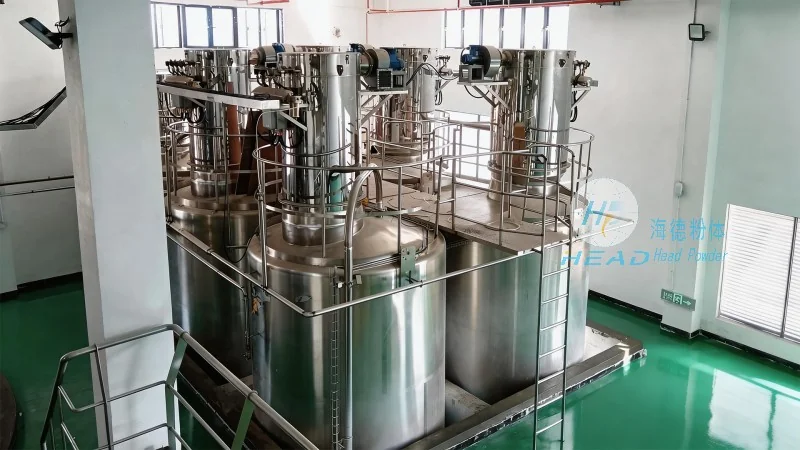
Benefits of Using a Professional Conveying System from Shandong HeadPowder Engineering Co., Ltd.
For businesses in the soybean processing industry, investing in a high-quality conveying line from Shandong HeadPowder Engineering Co., Ltd. offers numerous benefits. The company specializes in designing and manufacturing customized powder conveying systems tailored to the specific needs of soybean processing facilities. Their expertise in handling fine, hygroscopic powders ensures that the conveying lines are optimized for the unique properties of soybean products. The systems are built with food-grade materials, such as stainless steel and food-safe plastics, which meet international food safety standards like FDA and EU regulations. This ensures that the soybean powders remain uncontaminated and safe for human consumption. Additionally, the company provides comprehensive support, including installation, commissioning, and maintenance services, to ensure that the conveying lines operate at peak efficiency throughout their lifespan. The use of advanced control systems allows for real-time monitoring and adjustment of the conveying process, reducing downtime and improving overall productivity. By choosing a system from Shandong HeadPowder Engineering Co., Ltd., businesses can enhance their operational efficiency, maintain product quality, and comply with industry regulations, ultimately leading to increased profitability and customer satisfaction.




