Truck loading and unloading pneumatic conveying systems are essential equipment in modern logistics and material handling operations. These systems utilize air as the medium to transport bulk materials between trucks and processing facilities, offering a dust-free, efficient, and flexible solution for various industries. This article explores the fundamental principles behind these systems and highlights key working scene characteristics that make them indispensable in contemporary material handling.
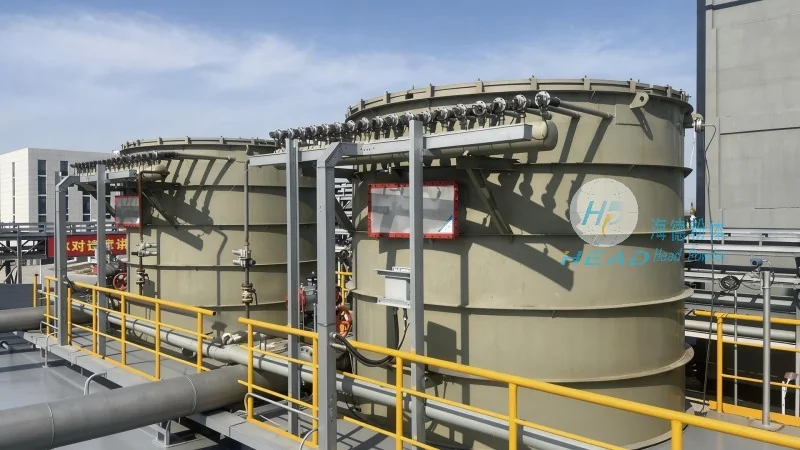
Understanding the Core Principles of Pneumatic Conveying Systems
The operation of truck loading and unloading pneumatic conveying systems is based on the principle of air flow and material suspension. The system typically consists of a blower, a hopper for material storage, a conveying pipeline, and a discharge point. When the blower generates high-pressure air, it creates a flow within the pipeline. As the air moves through the pipeline, it lifts and transports the bulk material particles, which are then discharged at the destination. The key to efficient operation lies in maintaining the correct air velocity and pressure to ensure that the material remains suspended and travels smoothly without clogging or degradation.
Key Working Scene Characteristics of Truck Loading/Unloading Systems
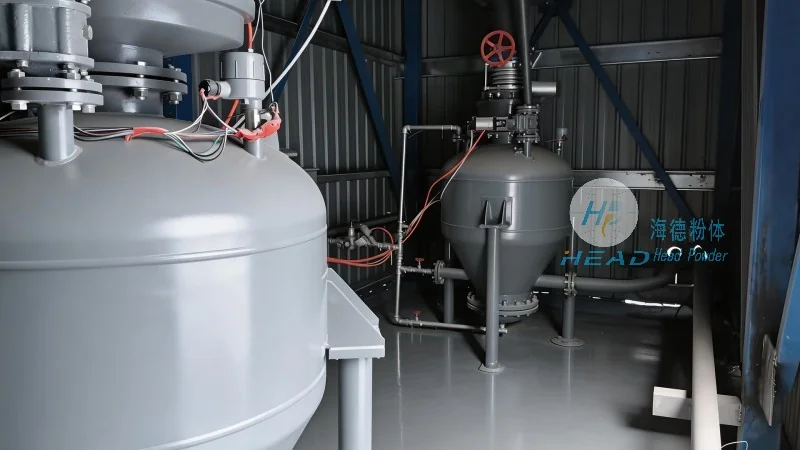
Truck loading and unloading pneumatic conveying systems are designed to handle diverse operational scenarios, each with specific requirements. One primary characteristic is their ability to handle a wide range of bulk materials, including powders, granules, and even small solid pieces. This versatility makes them suitable for industries such as food processing, chemical manufacturing, pharmaceuticals, and mining. Another critical characteristic is their dust-free operation, which is crucial for maintaining a clean and safe working environment, especially in industries where dust can be hazardous or where product contamination must be avoided.
Efficiency and Flexibility in Material Handling
One of the most significant advantages of truck loading and unloading pneumatic conveying systems is their high efficiency in material transport. Unlike traditional methods like belt conveyors or bucket elevators, pneumatic systems can transport materials over longer distances with minimal energy consumption. The flexibility of these systems is also noteworthy, as they can be easily reconfigured to accommodate changes in production processes or facility layouts. This adaptability is particularly valuable in dynamic industrial environments where operational needs may evolve over time.
Applications in Diverse Industrial Settings
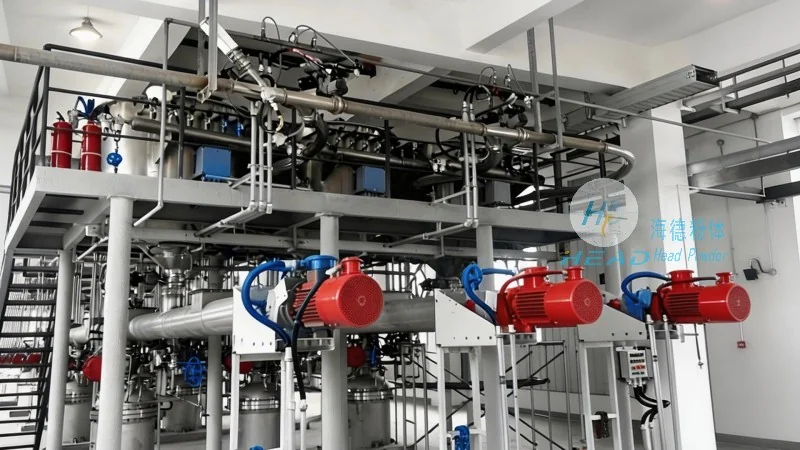
Truck loading and unloading pneumatic conveying systems are widely used in various industrial settings. In the food industry, for example, these systems are employed to transport ingredients like flour, sugar, and spices from trucks to processing plants, ensuring a hygienic and efficient transfer process. In the chemical industry, they handle raw materials and finished products, often requiring specialized equipment to manage corrosive or hazardous substances. The mining sector also benefits from these systems, as they can transport bulk ores and minerals from trucks to storage or processing facilities, improving overall operational efficiency.
Operational Considerations and Maintenance
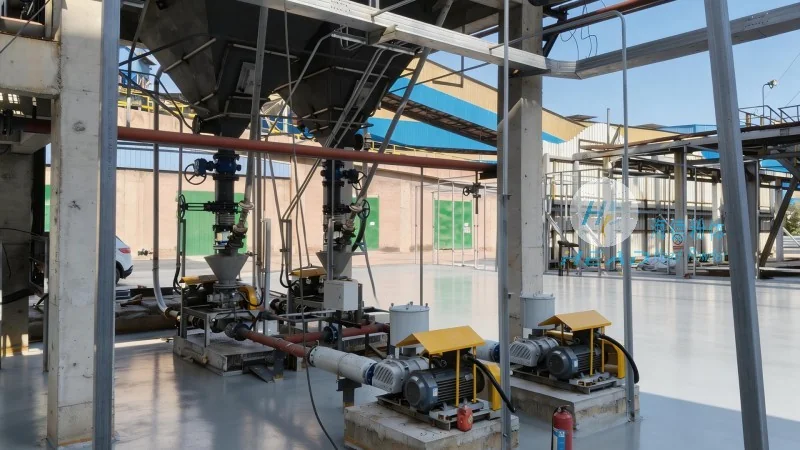
While truck loading and unloading pneumatic conveying systems offer numerous benefits, proper operation and maintenance are essential to ensure optimal performance. Regular maintenance of the blower, pipeline, and material handling components is crucial to prevent clogs, leaks, or air pressure issues. Additionally, the system's design must consider the specific characteristics of the material being transported, such as particle size, moisture content, and flowability, to ensure smooth and efficient conveying. Proper training of operators and adherence to safety protocols are also critical to minimize risks and maximize the system's lifespan.
Conclusion
Truck loading and unloading pneumatic conveying systems represent a sophisticated and efficient solution for bulk material handling in modern industries. By leveraging the principles of air flow and material suspension, these systems provide a dust-free, flexible, and high-performance method for transporting materials between trucks and processing facilities. As industries continue to demand more efficient and sustainable material handling solutions, the importance of these systems will only grow. With proper design, operation, and maintenance, truck loading and unloading pneumatic conveying systems can significantly enhance operational efficiency and contribute to the overall success of industrial operations.




