HeadPowder, a leading provider in the field of material handling solutions, specializes in the design and manufacturing of advanced pneumatic conveying systems. This article delves into the core principles and operational characteristics of steel and limestone pneumatic conveying machines, highlighting their applications and performance in industrial settings.
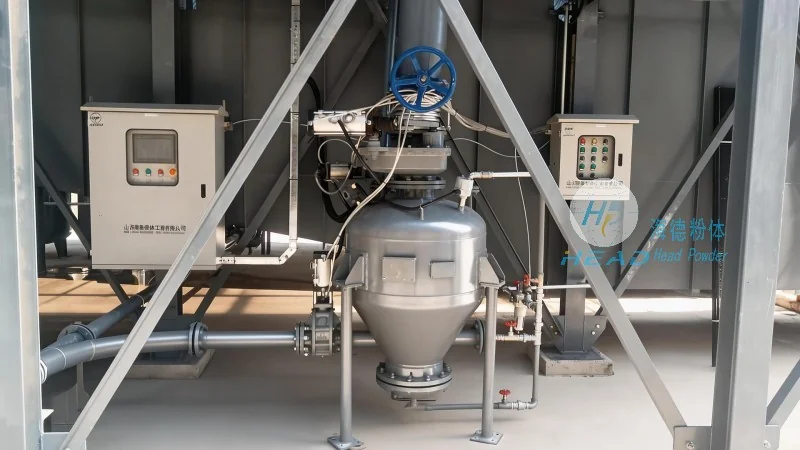
Introduction to Steel and Limestone Pneumatic Conveying Machines
Steel and limestone pneumatic conveying machines are sophisticated equipment engineered to transport bulk materials like steel powders or limestone powders through an air stream. These systems are integral to various industrial processes, offering a reliable and efficient method for material movement without the need for mechanical components like belts or buckets. The technology behind these machines leverages the principles of fluidization and pneumatic transport to achieve seamless material transfer.
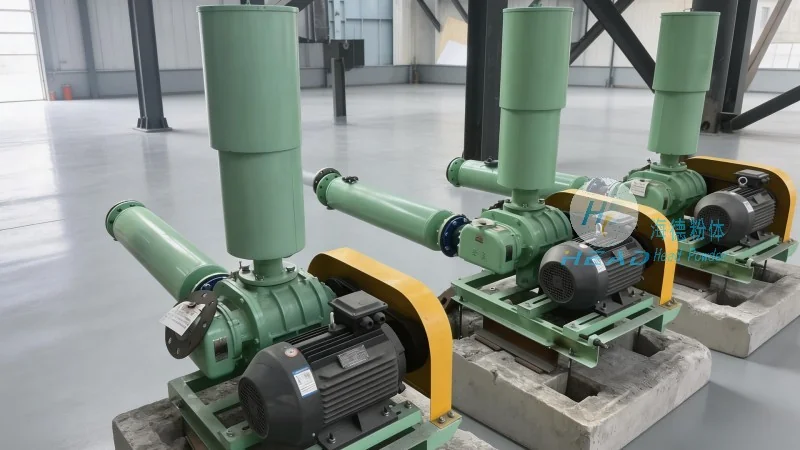
Core Principles of Pneumatic Conveying
The fundamental principle of pneumatic conveying involves creating a flow of air or gas that carries the material particles through a pipeline. In the case of steel and limestone, the system typically operates under positive pressure, where compressed air is used to push the material from the source to the destination. This method ensures that the material is transported in a controlled manner, minimizing dust generation and ensuring product integrity. The design of the conveying machine includes key components such as the hopper, feed mechanism, air compressor, and pipeline network, all of which work in tandem to facilitate efficient material transfer.
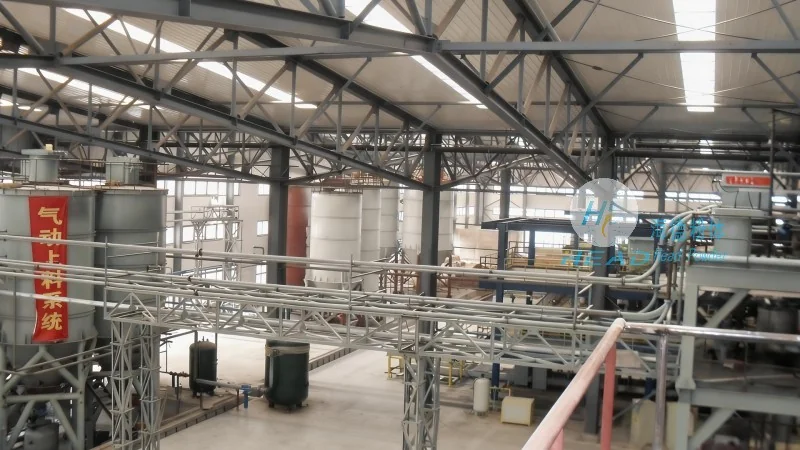
Working Scene Characteristics
The working scene characteristics of steel and limestone pneumatic conveying machines are tailored to meet the demands of specific industrial applications. For instance, in steel manufacturing facilities, these machines are used to transport raw materials or byproducts between different production stages, ensuring a continuous flow of materials. Similarly, in limestone processing plants, the equipment is employed to move limestone powder from storage to processing units, supporting the production of cement or other calcium-based products. The operational environment often involves high material flow rates and consistent performance, making the choice of conveying system critical to overall plant efficiency.
Advantages and Applications
Steel and limestone pneumatic conveying machines offer several advantages over traditional material handling methods. These include reduced labor costs, as the system operates automatically with minimal human intervention. Additionally, the enclosed pipeline design minimizes environmental contamination and dust exposure, enhancing workplace safety. The systems are also highly adaptable, capable of handling a wide range of particle sizes and material types. In industrial settings, these machines are commonly used in sectors such as metallurgy, cement production, and chemical processing, where the efficient transport of bulk materials is essential for operational success.
Conclusion
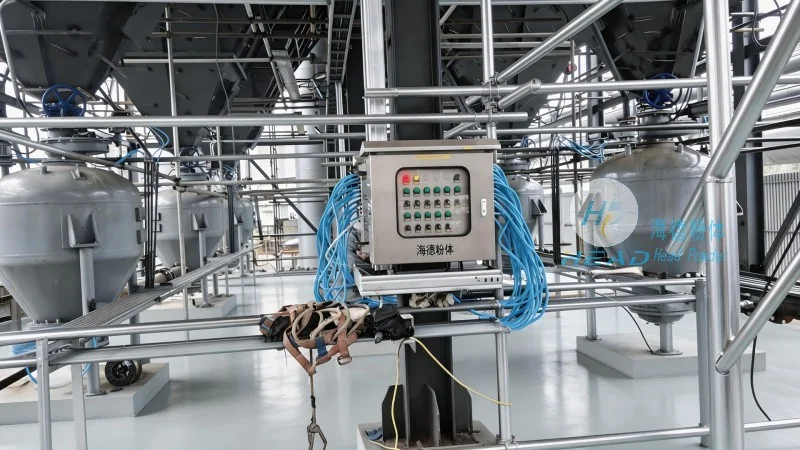
HeadPowder's steel and limestone pneumatic conveying machines exemplify advanced engineering and practical application in material handling. By understanding the core principles and working scene characteristics, industries can leverage these systems to improve operational efficiency, reduce costs, and enhance product quality. With a strong presence in Shandong, China, HeadPowder continues to provide reliable solutions tailored to the unique needs of industrial clients.




