Efficient and reliable dry sludge material conveying is a critical component in modern waste management and environmental protection systems. The technology behind dry sludge handling has evolved significantly, offering solutions that enhance operational efficiency while minimizing environmental impact. This article explores the fundamental principles of dry sludge material conveying and highlights the key characteristics of its working scenes, providing insights into how these systems operate in real-world applications.
Principles of Dry Sludge Material Conveying
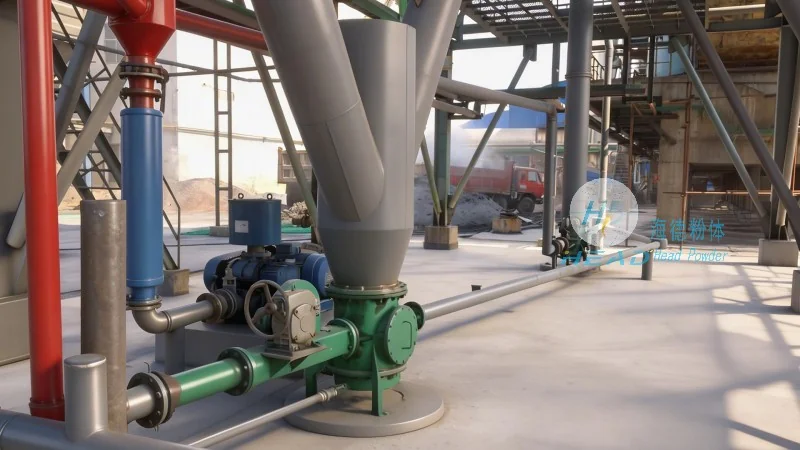
Dry sludge material conveying systems are designed to transport dried sludge, which is a byproduct of wastewater treatment processes, from one location to another. The core principle involves converting wet sludge into a dry, free-flowing material that can be easily handled and transported. This transformation typically occurs through processes such as mechanical dewatering, thermal drying, or chemical treatment, depending on the specific requirements of the facility. Once the sludge is dried, it is then conveyed using various mechanisms, including pneumatic conveying, screw conveyors, or belt conveyors, to move it to storage, disposal sites, or further processing units.
The pneumatic conveying system, for instance, uses air pressure to transport dry sludge particles through a pipeline. This method is particularly effective for handling fine, dry materials and can cover long distances with minimal maintenance. Screw conveyors, on the other hand, rely on rotating screws to push the material forward, making them suitable for bulk handling and vertical lifting applications. Each system is tailored to the characteristics of the sludge, such as its moisture content, particle size, and density, ensuring optimal performance and efficiency.
Working Scene Characteristics of Dry Sludge Material Conveying
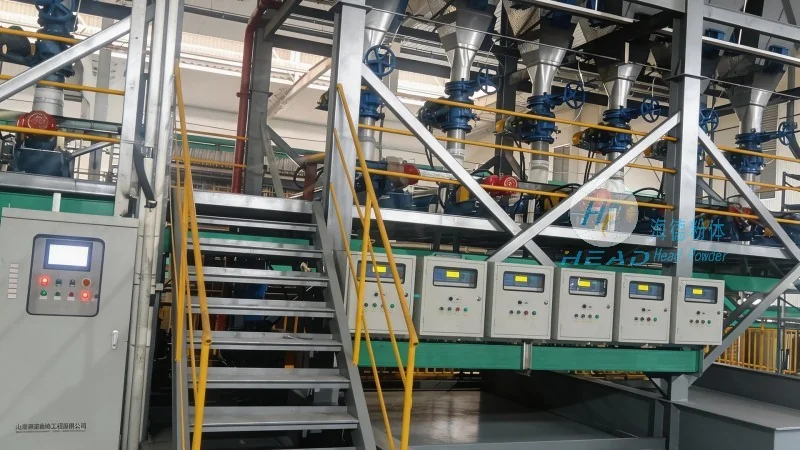
The working scenes where dry sludge material conveying systems are deployed vary widely, reflecting the diverse needs of industrial and municipal environments. In municipal wastewater treatment plants, these systems are essential for managing the large volumes of sludge generated daily. The working environment here is characterized by high operational demands, with systems often operating continuously to maintain treatment efficiency. The equipment used in such settings is designed for durability and reliability, as it must withstand the harsh conditions of continuous operation and frequent maintenance.
In industrial settings, such as pulp and paper mills or food processing facilities, dry sludge material conveying is used to handle sludge from various production processes. The working scene in these industries is often more specialized, with systems tailored to the specific characteristics of the sludge, which may contain organic or inorganic components. The focus here is on integrating the conveying system with existing production lines, ensuring seamless material flow and minimal disruption to operations.
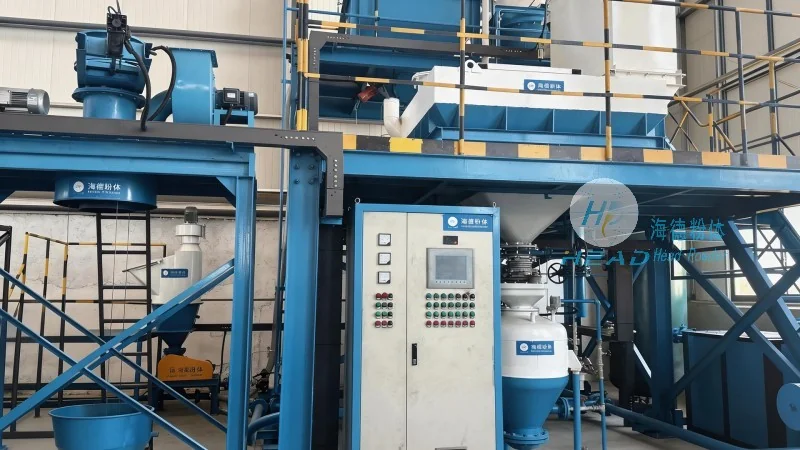
Another key working scene is in the agricultural sector, where dry sludge is used as a nutrient-rich fertilizer. The conveying systems in this context are designed to transport the sludge to storage facilities or directly to fields, where it can be applied. The working environment here is more variable, with considerations for weather conditions and the need for efficient distribution over large areas. The systems used are often more flexible, allowing for adjustments based on seasonal demands and field requirements.
Key Features and Advantages
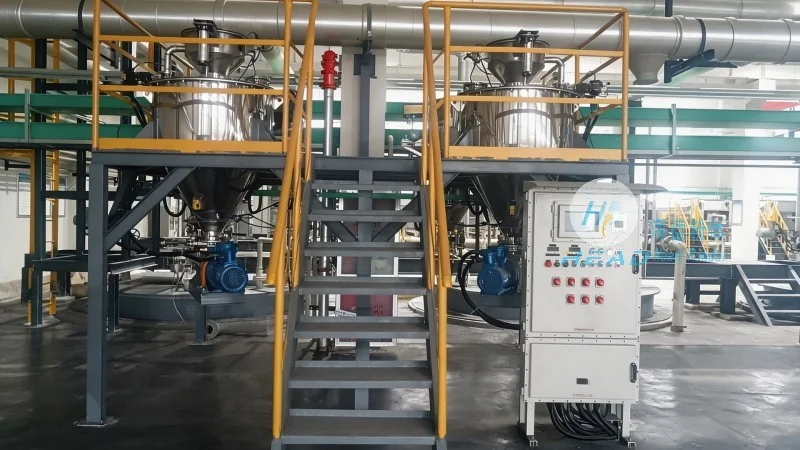
Dry sludge material conveying systems offer several advantages over traditional wet sludge handling methods. One of the primary benefits is the reduction in water content, which significantly decreases the volume of material to be transported and disposed of. This leads to lower transportation costs and reduced environmental impact from landfills or disposal sites. Additionally, dry sludge is easier to handle and store, as it does not require specialized containment systems for moisture control. Shandong HeadPowder Engineering Co., Ltd. specializes in developing and implementing such systems, ensuring that clients benefit from optimized material flow and enhanced operational efficiency.
The systems also enhance operational safety by minimizing the risk of sludge leakage or contamination. Dry sludge is less likely to cause odors or attract pests, making it more manageable in both industrial and municipal settings. Furthermore, the use of dry sludge as a resource, such as in agriculture, promotes sustainable practices by recycling nutrients back into the ecosystem. This aligns with the broader goals of environmental stewardship and resource conservation.




