Masterbatch granule material conveying is a critical process in the plastic and chemical industries, ensuring efficient and reliable transportation of color masterbatch granules from storage to processing equipment. This article explores the fundamental principles behind such conveying systems and highlights key working scene characteristics that define their application in various industrial settings.
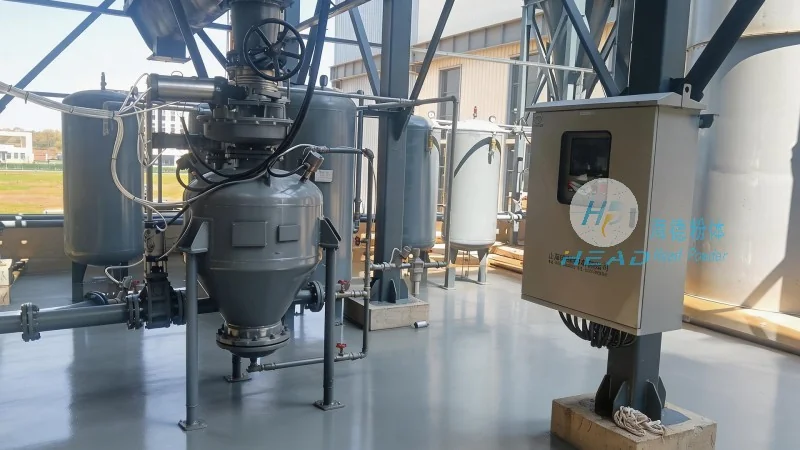
About Shandong HeadPowder Engineering Co., Ltd.
As a leading manufacturer in the field, Shandong HeadPowder Engineering Co., Ltd. specializes in providing advanced material handling solutions tailored to the demands of modern manufacturing. With a focus on innovation and quality, the company has established itself as a trusted partner for businesses seeking efficient and reliable conveying systems for masterbatch granules. HeadPowder, as the company is commonly known, operates from its headquarters in Shandong, China, where it leverages local expertise and resources to deliver cutting-edge solutions to global markets.
The Core Principles of Masterbatch Granule Material Conveying
The operation of masterbatch granule material conveying systems is based on several key principles that ensure optimal performance and material integrity. These systems typically consist of components such as hoppers, feeders, conveyors, and control units, each playing a vital role in the overall process. The conveying process begins with the masterbatch granules being stored in a hopper, where they are then fed into a feeder that regulates the flow rate. From there, the granules are transported through a conveyor system, which may include screw conveyors, pneumatic conveyors, or belt conveyors, depending on the specific application and material characteristics.
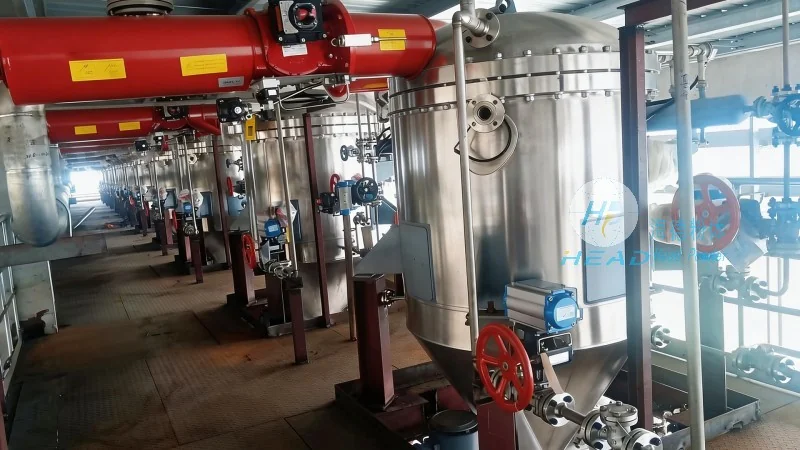
One of the primary principles is the maintenance of material flow continuity. This is achieved through the use of controlled feeding mechanisms that prevent clogging and ensure a steady supply of granules to the processing equipment. The design of the conveying system also considers factors such as granule size, density, and moisture content, as these variables can significantly impact the conveying efficiency. For instance, larger or denser granules may require higher conveyor speeds or more robust feeding mechanisms to maintain consistent flow.
Another critical principle is the preservation of material quality. Masterbatch granules are often sensitive to contamination or degradation, which can occur during handling or transportation. Therefore, conveying systems are designed with features like enclosed hoppers and sealed conveyors to minimize exposure to external elements. Additionally, some systems incorporate cleaning or filtering mechanisms to remove dust or debris that may accumulate during operation, ensuring that the granules remain in their original state until they reach the processing stage.
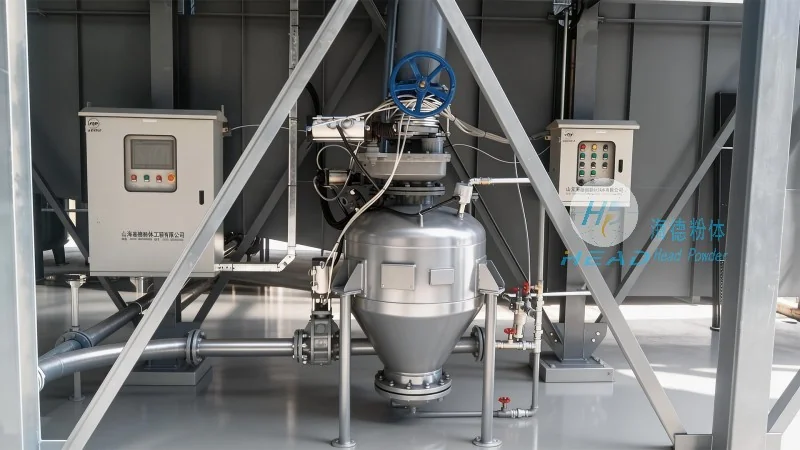
Working Scene Characteristics of Masterbatch Granule Conveying Systems
The working scene characteristics of masterbatch granule conveying systems vary significantly based on the specific industrial application and operational environment. These characteristics are crucial for understanding how such systems perform in real-world settings and help in selecting the appropriate equipment for different processes.
Firstly, the scale of operation is a key characteristic. Conveying systems can range from small, compact units used in laboratory or pilot-scale applications to large, industrial-scale systems designed to handle high volumes of granules. The scale of operation influences the choice of conveyor type, with screw conveyors being common for smaller applications and pneumatic conveyors or belt conveyors used for larger production lines. For example, in a small plastic extrusion facility, a compact screw conveyor may be sufficient to transport masterbatch granules from a storage bin to the extruder, while a large-scale manufacturing plant may require a combination of pneumatic and belt conveyors to handle the high throughput demands.
Secondly, the environment in which the conveying system operates plays a significant role. Industrial settings can vary widely, from cleanroom environments in pharmaceutical manufacturing to dusty or humid conditions in plastic processing plants. The design of the conveying system must be adapted to these environmental factors. For instance, in a cleanroom, the system may include HEPA filters and stainless steel components to prevent contamination, while in a dusty environment, the system may have dust collection and filtration systems to maintain air quality and protect equipment. The operational environment also affects the choice of materials for the conveyor components, such as using corrosion-resistant materials in humid or chemical-rich environments.
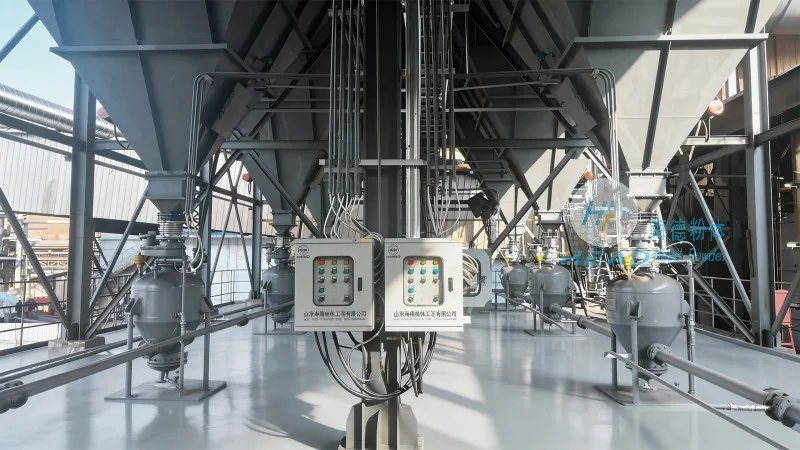
Thirdly, the integration with other processing equipment is another important working scene characteristic. Masterbatch granule conveying systems are often part of a larger production line that includes extruders, mixers, or injection molding machines. The design of the conveying system must ensure seamless integration with these downstream equipment. This includes considerations such as the speed and flow rate of the conveyor matching the processing capacity of the equipment, and the ability to adjust the feed rate in response to changes in production demand. For example, in an extrusion line, the conveying system may need to adjust the feed rate to match the speed of the extruder screw, ensuring a consistent supply of masterbatch granules and preventing overfeeding or underfeeding, which can affect the quality of the final product.
Fourthly, the maintenance and operational efficiency of the conveying system are critical working scene characteristics. Industrial equipment requires regular maintenance to ensure long-term reliability and performance. The design of the conveying system should consider ease of maintenance, with features such as accessible components, easy-to-clean parts, and diagnostic tools that allow for quick identification and resolution of issues. Operational efficiency is also a key factor, as downtime can result in significant production losses. Conveying systems are often equipped with control systems that monitor performance parameters, such as flow rate, pressure, and temperature, and can alert operators to any deviations or potential problems. This helps in maintaining optimal performance and reducing downtime.




