Efficient material handling is a critical component of modern compound fertilizer production and distribution. The choice of conveying method directly impacts operational efficiency, product quality, and overall cost-effectiveness. Among the various options available, pneumatic conveying stands out as a highly effective solution for transporting compound fertilizers, offering several advantages over traditional methods. This article explores the different types of compound fertilizer conveying methods, with a focus on the benefits and characteristics of pneumatic conveying systems.
Common Conveying Methods for Compound Fertilizers
Compound fertilizers are typically handled in bulk, requiring reliable and efficient transport from storage silos to processing units or for distribution. Traditional conveying methods include belt conveyors, screw conveyors, and bucket elevators. Belt conveyors are widely used for horizontal and inclined transport, suitable for larger particles and bulk materials. Screw conveyors, or augers, are effective for vertical and horizontal movement, particularly in confined spaces. However, these methods have limitations when dealing with fine, dusty powders, as they can lead to material degradation, increased dust emissions, and higher maintenance costs due to wear and tear.
Pneumatic Conveying: Advantages and Key Features
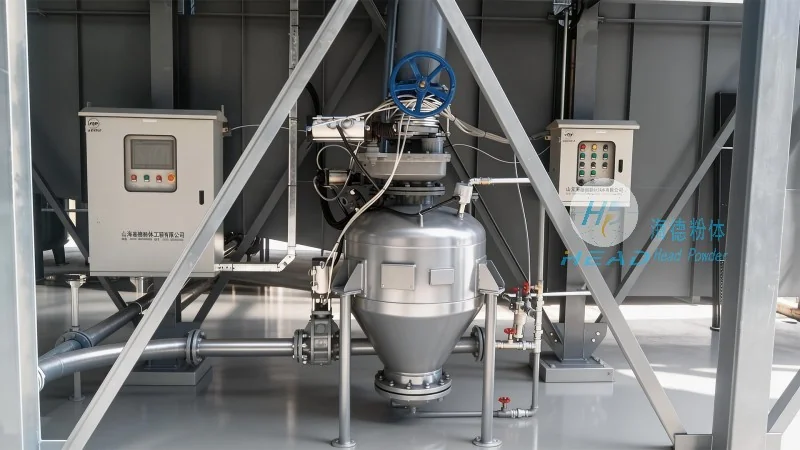
Pneumatic conveying, also known as air conveying, uses pressurized or vacuum air to transport solid materials like compound fertilizers through a pipeline system. This method offers several key advantages that make it an ideal choice for fertilizer handling. One of the primary benefits is its ability to handle fine powders and granules without causing degradation or segregation. The enclosed system minimizes dust exposure, improving workplace safety and reducing environmental impact. Additionally, pneumatic conveying systems are highly flexible, allowing for multiple transfer points and complex routing, which is essential in large-scale fertilizer plants.
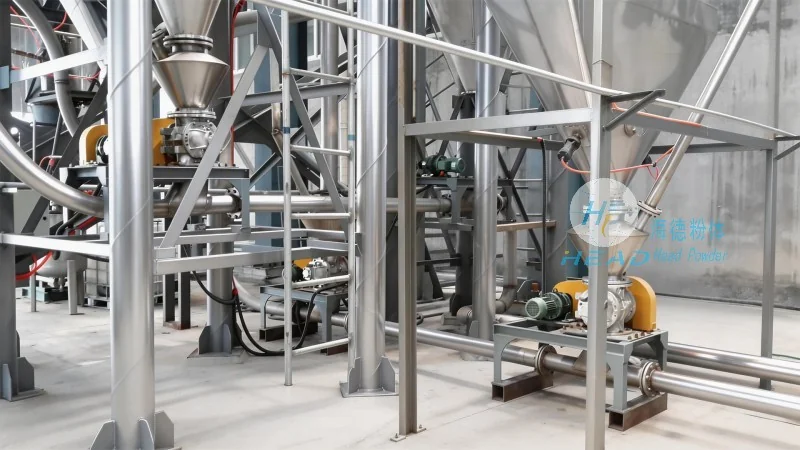
Another significant advantage is the low maintenance requirement compared to mechanical systems. Since there are no moving parts in direct contact with the material (except for airlocks and cyclones), wear and tear are minimized. This results in lower operational costs and longer system lifespans. The system also provides excellent control over material flow, enabling precise dosing and batching, which is crucial for maintaining product consistency and meeting quality standards.
Technical Aspects of Pneumatic Conveying Systems
The effectiveness of a pneumatic conveying system depends on several technical factors, including the type of system (positive pressure, negative pressure, or a combination), the material properties of the compound fertilizer, and the system design. Positive pressure systems use a blower to push air and material through the pipeline, while negative pressure systems use a vacuum to draw material into the system. The choice between these depends on the distance, height, and layout of the conveying route.
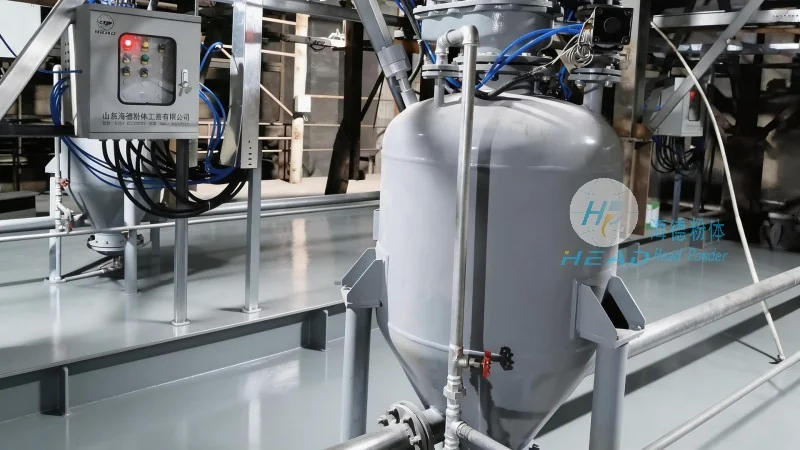
Key components of a pneumatic conveying system include airlocks (to control material flow and prevent air leakage), cyclones (for separating material from air), filters (to capture fine dust), and pipelines (usually made of stainless steel or plastic to resist corrosion and wear). The design of these components must consider the particle size, moisture content, and bulk density of the fertilizer, as these factors influence the air velocity required for efficient transport. For example, fine powders may require higher air velocities to prevent clogging, while larger granules can be transported at lower velocities.
Application Scenarios and Benefits in the Fertilizer Industry
Pneumatic conveying is widely adopted in the fertilizer industry for various applications, including the transfer of raw materials from storage silos to processing units, the movement of finished products from production lines to packaging areas, and the handling of byproducts or waste materials. In large-scale fertilizer plants, the ability to handle large volumes of material efficiently is critical, and pneumatic systems can achieve high throughput rates with minimal labor. The enclosed nature of the system also helps in maintaining product quality by preventing contamination from external sources and reducing the risk of material degradation due to exposure to air or moisture.
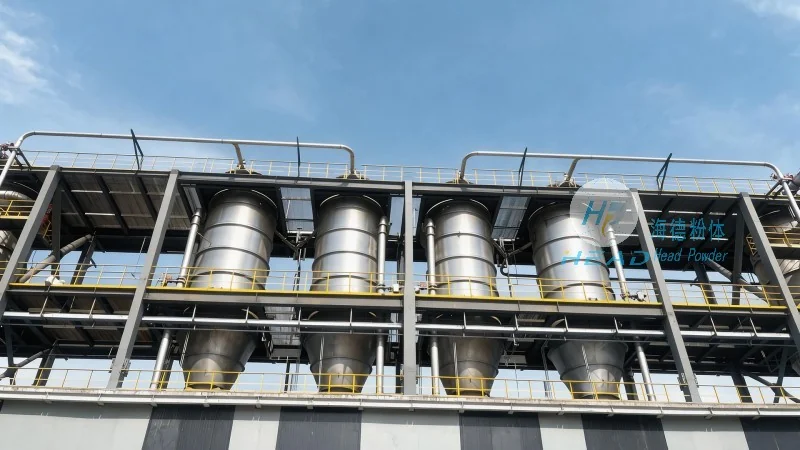
Furthermore, pneumatic conveying systems are adaptable to different production scales and can be integrated with other equipment, such as mixers, granulators, and packaging machines, to form a seamless material handling process. This integration enhances overall operational efficiency and reduces downtime, which is essential for meeting production targets and customer demands.
Conclusion and Company Profile
In conclusion, pneumatic conveying offers a superior solution for the efficient and safe handling of compound fertilizers compared to traditional mechanical methods. Its advantages in terms of material quality preservation, dust control, flexibility, and low maintenance make it a preferred choice for modern fertilizer production facilities. Shandong HeadPowder Engineering Co., Ltd., a leading provider of engineering solutions for the fertilizer industry, specializes in designing and manufacturing advanced pneumatic conveying systems tailored to the specific needs of clients. With a focus on innovation and quality, HeadPowder ensures that its systems meet the highest standards of performance and reliability, contributing to the overall success of fertilizer operations worldwide.




