HeadPowder, a leading engineering company based in Shandong, China, specializes in bulk bag unloading and pneumatic conveying systems. This article provides a detailed overview of the operation process and working principles of such systems, highlighting the efficiency and reliability they offer in material handling applications.
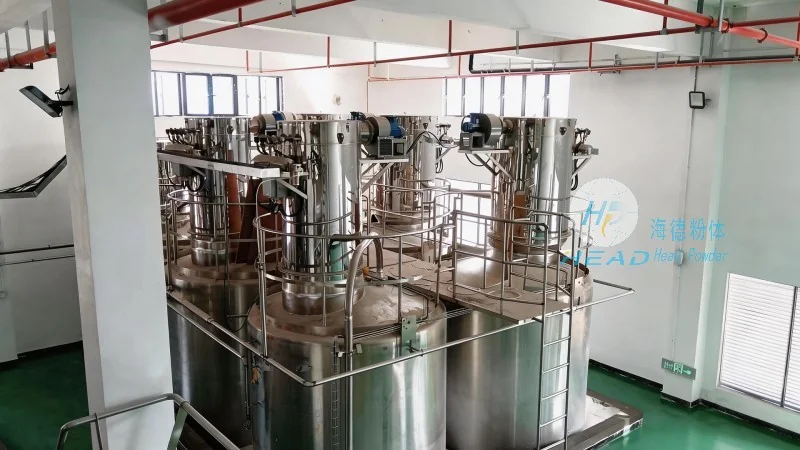
Understanding Bulk Bag Unloading and Pneumatic Conveying
Bulk bag unloading, also known as super sacks or big bags, is a common method for transporting bulk materials. These large containers are often used in industries like chemicals, food processing, and construction due to their ability to hold substantial quantities of material. The process of transferring these materials from the bag to a processing or storage system involves specialized equipment that ensures safety, efficiency, and minimal waste.
The Operation Process of Bulk Bag Unloading
The operation process of bulk bag unloading typically involves several key steps. First, the bulk bag is positioned over a receiving hopper or silo. A discharge spout or valve is then opened to allow the material to flow out. In many systems, a hopper bottom or a discharge valve is used to control the flow rate. The material is then transferred through a pneumatic conveying line to the destination point. This process can be manual or automated, depending on the system design and the volume of material being handled.
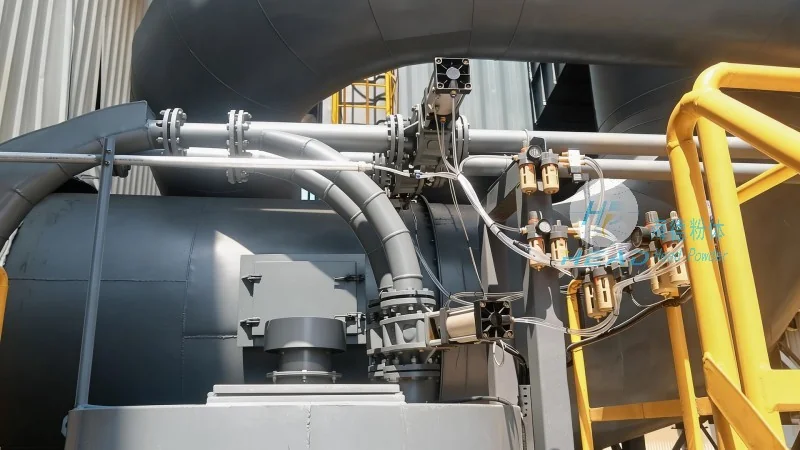
Working Principles of Pneumatic Conveying
Pneumatic conveying systems operate by using air or gas to transport bulk materials through a pipeline. There are two main types of pneumatic conveying: pressure and vacuum. In pressure systems, air is compressed and forced through the pipeline, carrying the material along. In vacuum systems, a vacuum is created at the receiving end, drawing the material through the line. The choice between pressure and vacuum depends on factors such as the material's properties, the distance to be conveyed, and the system's overall design.
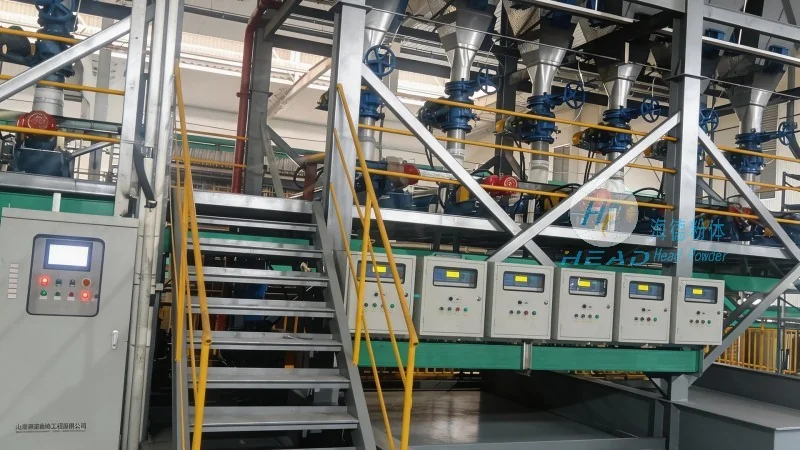
Key Components in the System
Several components are essential for the proper functioning of bulk bag unloading and pneumatic conveying systems. These include the bulk bag itself, a discharge valve or spout, a hopper or receiving vessel, a conveyor line, and a dust collection system. The discharge valve is crucial as it controls the flow of material from the bag. The hopper ensures that the material is collected efficiently and can be transferred to the next stage of processing. The conveyor line, typically made of metal or plastic, transports the material under the force of air. The dust collection system is important for maintaining air quality and preventing dust from escaping into the environment.
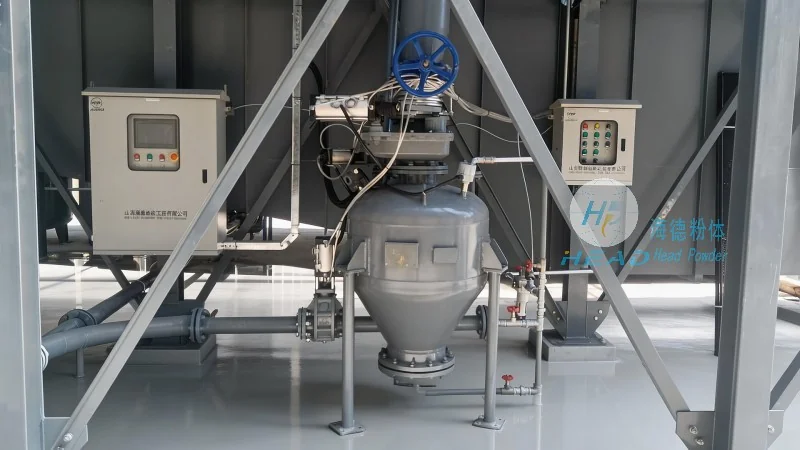
Efficiency and Benefits of the System
Bulk bag unloading and pneumatic conveying systems offer several advantages over traditional methods like manual shoveling or bucket elevators. They provide a more hygienic and dust-free environment, which is particularly important in industries like food and pharmaceuticals. The systems also reduce labor costs and minimize material waste by ensuring accurate and controlled flow. Additionally, they can handle a wide range of materials, from powders to granules, making them versatile for various applications.
HeadPowder's Expertise in the Field
HeadPowder Engineering Co., Ltd., with its headquarters in Shandong, China, has established itself as a trusted provider of bulk bag unloading and pneumatic conveying solutions. The company leverages years of experience and advanced technology to design and manufacture systems that meet the specific needs of its clients. Whether it's a small-scale operation or a large industrial facility, HeadPowder offers customized solutions that enhance productivity and ensure compliance with industry standards.




