Grass material pneumatic conveying systems are advanced industrial solutions designed to efficiently transport bulk grass materials such as hay, straw, and other agricultural residues. These systems utilize air pressure or vacuum to move materials through a pipeline network, offering a clean, low-maintenance alternative to traditional mechanical conveyors. The operation of these systems involves several key components and processes that work in tandem to ensure reliable and efficient material handling.
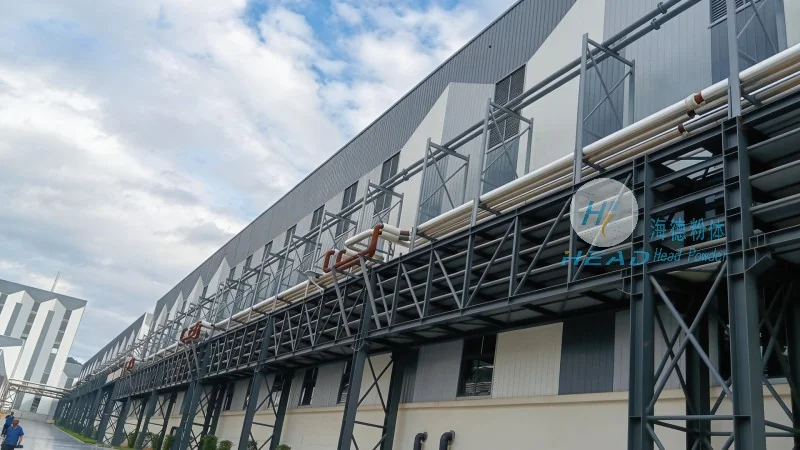
Key Components of Pneumatic Conveying Systems
The core components of a grass material pneumatic conveying system typically include a material feeder, a conveying pipeline, a pressure or vacuum source (like a blower or vacuum pump), a control system, and a discharge unit. The material feeder is responsible for introducing the grass material into the system, often in a controlled manner to maintain consistent flow rates. The conveying pipeline, usually made of stainless steel or other corrosion-resistant materials, transports the material from the feeder to the discharge point. The pressure or vacuum source generates the necessary airflow to move the material through the pipeline. The control system monitors and regulates the system's operation, ensuring optimal performance and preventing issues like blockages or pressure surges. The discharge unit collects the material at the end of the pipeline, completing the conveying process.
Working Principle of Pneumatic Conveying
The working principle of grass material pneumatic conveying relies on the principle of fluidization and suspension. When air is introduced into the conveying pipeline at a sufficient velocity, it creates a fluidized bed of the grass material, lifting and transporting the particles through the system. This process is known as dilute-phase or dense-phase conveying, depending on the air-to-material ratio. In dilute-phase systems, the material is suspended in the air stream and moves at high velocities, while in dense-phase systems, the material is conveyed in a more compact form with lower air velocities. The choice between these systems depends on factors such as material characteristics, pipeline length, and required flow rates. The system's efficiency is influenced by parameters like air pressure, flow rate, and pipeline diameter, all of which must be optimized for specific grass material types and application requirements.
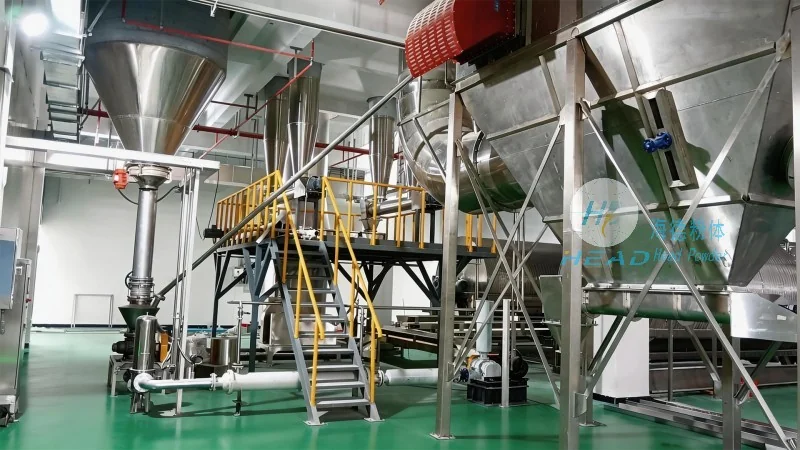
Operation Process of Grass Material Pneumatic Conveying
The operation process of a grass material pneumatic conveying system begins with the loading of the grass material into the feeder. The feeder then releases the material into the conveying pipeline as the air source generates the required airflow. The material is then carried through the pipeline to the discharge point, where it is collected. The control system continuously monitors the system's performance, adjusting the airflow or feeder speed as needed to maintain consistent material flow. This process ensures that the grass material is transported efficiently and reliably from the source to the destination, minimizing downtime and maximizing productivity.
Advantages of Pneumatic Conveying for Grass Materials
Pneumatic conveying systems offer several advantages when handling grass materials. These include the ability to transport materials in a clean, dust-free environment, which is particularly important for food-grade or high-purity applications. The systems are also low-maintenance, as they have fewer moving parts compared to mechanical conveyors, reducing the risk of breakdowns and maintenance costs. Additionally, pneumatic conveying can handle a wide range of grass materials, including those with high moisture content or abrasive properties, without causing damage to the material or the system components. The flexibility of the system allows for easy integration into existing production lines and the ability to transport materials over long distances without the need for multiple transfer points.
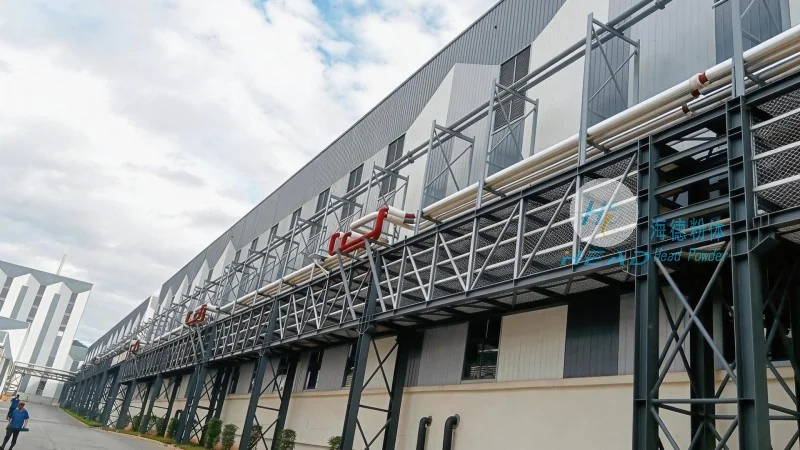
Applications of Grass Material Pneumatic Conveying
Grass material pneumatic conveying systems are widely used in various industries, including agriculture, animal feed production, and biomass energy generation. In agriculture, these systems are used to transport hay and straw from fields to storage facilities or processing plants. In animal feed production, they help move grass materials into feed mills for processing into animal feed. In biomass energy applications, the systems transport grass materials to biomass boilers or biogas plants for energy production. The versatility of the systems makes them suitable for a variety of applications, from small-scale farm operations to large industrial facilities.
Conclusion
Grass material pneumatic conveying systems are efficient and reliable solutions for transporting bulk grass materials. By understanding the operation process and working principles of these systems, users can optimize their performance and ensure consistent material handling. The systems offer several advantages over traditional mechanical conveyors, including clean operation, low maintenance, and flexibility. As the demand for efficient material handling in the agricultural and industrial sectors grows, pneumatic conveying systems will continue to play a crucial role in meeting these needs. For those seeking reliable grass material conveying solutions, companies like Shandong HeadPowder Engineering Co., Ltd. provide advanced systems tailored to specific application requirements.




