Graphite electrodes are critical components in electric arc furnaces, and efficient material handling is essential for maintaining production efficiency. Pneumatic conveying offers a reliable method for transporting these electrodes, combining precision, speed, and minimal contamination. This article explores the operation process and working principles of such systems, highlighting the technical aspects and practical applications.
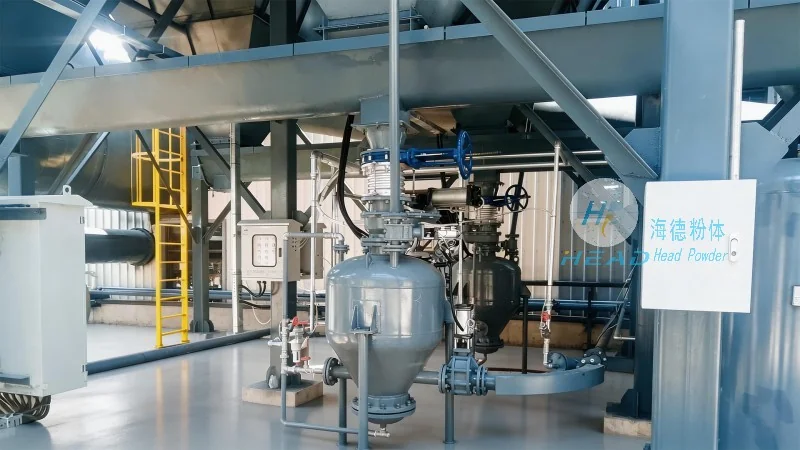
About Shandong HeadPowder Engineering Co., Ltd.
Shandong HeadPowder Engineering Co., Ltd., operating under the brand name headpowder, specializes in the design, manufacturing, and implementation of advanced material handling solutions. With a focus on industrial applications, the company provides tailored pneumatic conveying systems that meet the specific needs of clients in the metallurgical and manufacturing sectors. Headpowder’s expertise lies in optimizing material transport processes, ensuring durability, and enhancing overall operational performance.
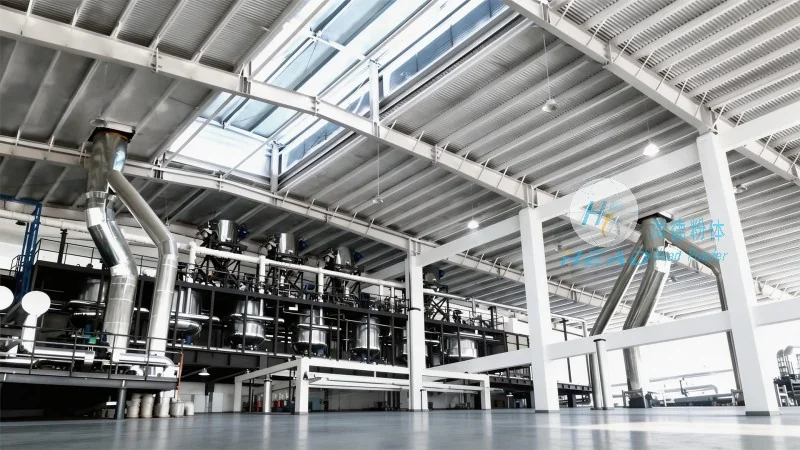
Key Components of Pneumatic Conveying Systems
The pneumatic conveying system for graphite electrodes typically consists of several key components. These include a hopper or storage bin for holding the electrodes, a feeder mechanism to control the flow of material, a conveying line (often equipped with bends and straight sections), a dust collector or filter system to manage airborne particles, and a discharge point where the electrodes are deposited. Each component plays a crucial role in the efficient and safe transport of the material.
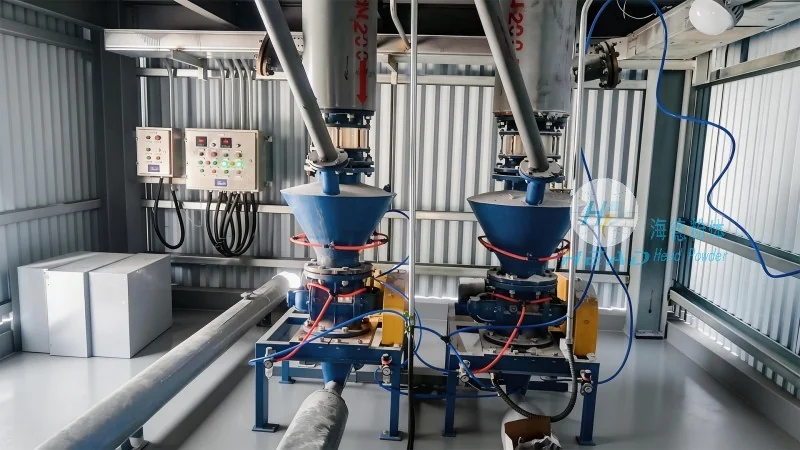
The Operation Process: Step-by-Step
The operation of a pneumatic conveying system for graphite electrodes involves a series of coordinated steps. First, the electrodes are loaded into the hopper. The feeder then regulates the discharge rate, ensuring a consistent flow into the conveying line. As the material enters the line, it is propelled by compressed air, which creates a flow that moves the electrodes through the system. The conveying line may include various sections, such as horizontal and vertical runs, with bends to direct the material to the desired location. At the discharge point, the electrodes are deposited into a collection container or directly into the furnace. The system is designed to maintain a stable pressure and airflow, minimizing the risk of blockages or material loss.
Working Principles: How It Works
The core principle of pneumatic conveying is the use of air to transport solid materials. In the case of graphite electrodes, the system relies on the interaction between the material and the air stream. The compressed air creates a flow that entrains the electrodes, allowing them to move through the conveying line. The velocity of the air is critical; it must be sufficient to overcome the gravitational forces and friction within the system, ensuring smooth transport. The system may use either positive pressure (where air is forced into the line) or negative pressure (where air is drawn out), depending on the application and layout. Headpowder’s systems are engineered to optimize these parameters, ensuring efficient and reliable operation.
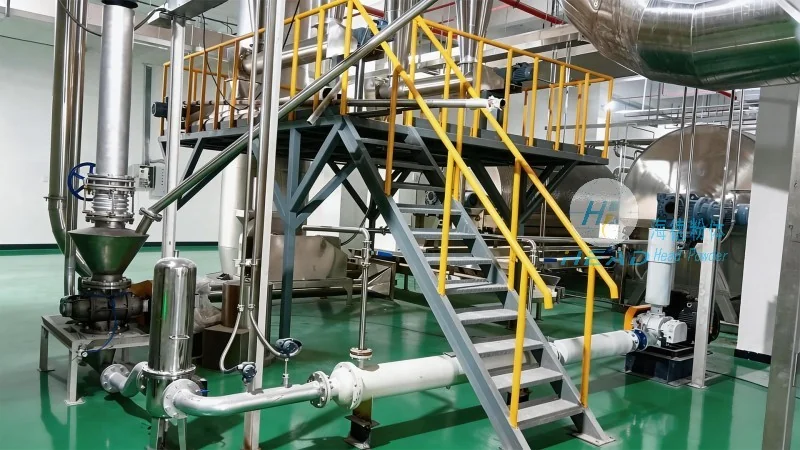
Benefits and Applications
Pneumatic conveying for graphite electrodes offers several advantages, including reduced labor costs, improved safety by minimizing manual handling, and enhanced material quality by preventing contamination. The systems are particularly suitable for applications where electrodes need to be transported over long distances or through complex layouts, such as in large-scale steel production facilities. Headpowder’s solutions are customized to meet the specific requirements of each client, ensuring optimal performance and longevity.




