Shandong HeadPowder Engineering Co., Ltd. specializes in advanced pneumatic conveying solutions tailored for synthetic fiber materials. Our company, known as headpowder, provides efficient and reliable systems that ensure optimal performance in material handling processes. Based in Shandong, China, we leverage decades of industry expertise to deliver customized solutions that meet the unique demands of synthetic fiber applications.
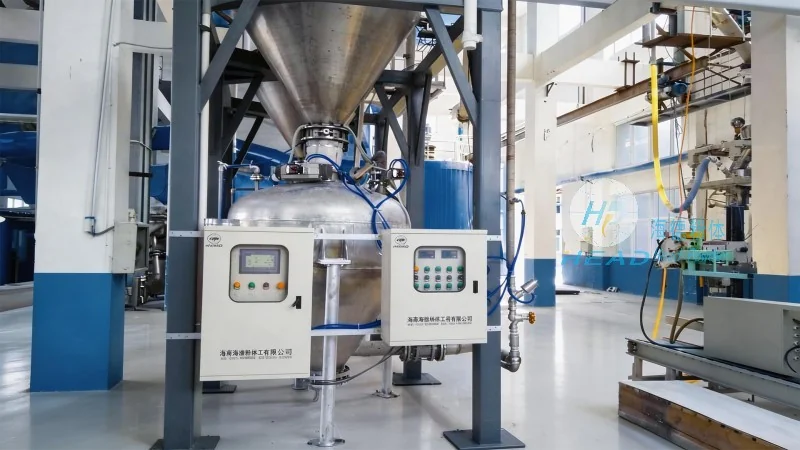
Overview of Pneumatic Conveying Systems
Pneumatic conveying is a method of transporting bulk materials through a pipeline using air or gas as the conveying medium. This technology is widely used in various industries, including textiles and manufacturing, to move synthetic fibers from one location to another with minimal manual intervention. The system typically consists of a hopper, a blower or compressor, a pipeline network, and a receiver or discharge point. Synthetic fibers, due to their lightweight and sometimes abrasive nature, require specialized equipment to ensure smooth and efficient transport without damage to the material or the system components.
Step-by-Step Operation Process of Synthetic Fiber Pneumatic Conveying
The operation process of a synthetic fiber pneumatic conveying system involves several key stages, each designed to ensure the material is transported safely and effectively. First, the synthetic fibers are loaded into the hopper, which serves as the initial storage and feeding unit. The hopper is equipped with a feeder mechanism, such as a rotary valve or a screw feeder, that controls the flow rate of the material into the pipeline. This controlled feeding is crucial to prevent blockages and maintain consistent air flow.
Next, the blower or compressor generates the necessary air pressure to move the fibers through the pipeline. The air is introduced into the system at a specific pressure and velocity, creating a flow that carries the fibers along the pipeline. The pipeline network is designed with appropriate bends, elbows, and straight sections to guide the material to the desired destination. The system may include additional components like filters or cyclones to separate any dust or debris from the air before it is discharged or recirculated.
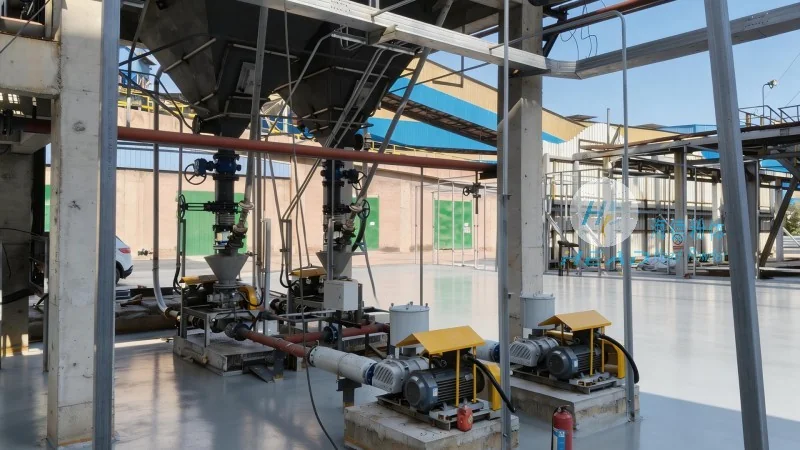
Upon reaching the receiver or discharge point, the synthetic fibers are deposited into the target container or processing equipment. The receiver is typically equipped with a venting system to allow the air to escape, preventing pressure buildup and ensuring the material is deposited smoothly. The entire process is automated, with sensors and controls monitoring the flow rate, pressure, and temperature to maintain optimal operation. This automation ensures consistent performance and reduces the risk of human error or material loss.
Working Principle of Synthetic Fiber Pneumatic Conveying
The working principle of synthetic fiber pneumatic conveying is based on the fundamental concept of fluidization and suspension. When air is introduced into the pipeline at a high velocity, it creates a turbulent flow that suspends the synthetic fibers in the air stream. This suspension allows the fibers to be transported through the pipeline without direct contact with the pipe walls, minimizing friction and wear. The key to efficient conveying is maintaining the correct air velocity and pressure to keep the fibers in suspension throughout the entire transport distance.
For synthetic fibers, which are often lightweight and have a tendency to clump or agglomerate, the system must be designed to prevent these issues. This is achieved through the use of appropriate hopper designs, feeder mechanisms, and pipeline configurations that ensure the material is evenly distributed and moved through the system. The blower or compressor provides the necessary energy to overcome the resistance of the pipeline and the weight of the fibers, converting the input power into the kinetic energy required for transport.
Technical Advantages of Synthetic Fiber Pneumatic Conveying Systems
Systems for synthetic fiber pneumatic conveying offer several technical advantages that make them ideal for modern manufacturing processes. One of the primary benefits is the ability to transport materials in a closed system, which helps maintain product quality by preventing contamination from external sources. The closed pipeline also reduces dust emissions, improving workplace safety and compliance with environmental regulations.
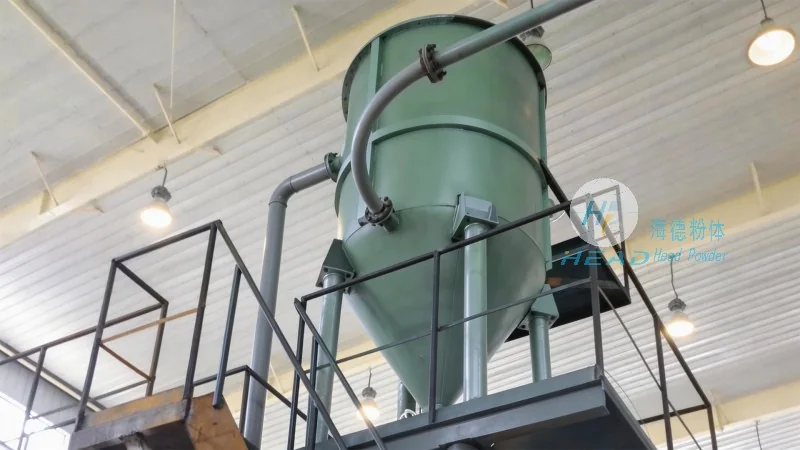
Another advantage is the flexibility of the system, which can be adapted to handle varying flow rates and material types. The modular design allows for easy expansion or modification as production needs change. Additionally, the system is relatively low maintenance compared to other material handling methods, as it has fewer moving parts and requires less frequent cleaning or replacement of components.
Efficiency is a critical factor in synthetic fiber pneumatic conveying, as the system minimizes material loss and maximizes throughput. The controlled feeding and automated controls ensure that the system operates at peak performance, reducing downtime and increasing overall productivity. This efficiency is particularly important in industries where synthetic fibers are used in high-volume production, as even small improvements in material handling can lead to significant cost savings.
Conclusion
Shandong HeadPowder Engineering Co., Ltd. provides comprehensive solutions for synthetic fiber pneumatic conveying, combining advanced technology with expert engineering to meet the diverse needs of our clients. Our systems are designed to deliver reliable, efficient, and cost-effective material handling solutions that enhance productivity and maintain product quality. By leveraging our expertise in pneumatic conveying technology, we help our customers optimize their operations and stay competitive in the global market.




