For industrial facilities dealing with potassium carbonate, an efficient material handling system is crucial for maintaining production efficiency and safety. A specialized conveyor system designed for this specific chemical is known as a potassium carbonate material handling conveyor. This equipment is engineered to handle the unique properties of potassium carbonate, ensuring reliable transport from storage to processing areas. Such systems are commonly provided by companies like Shandong HeadPowder Engineering Co., Ltd., a leading manufacturer based in China.
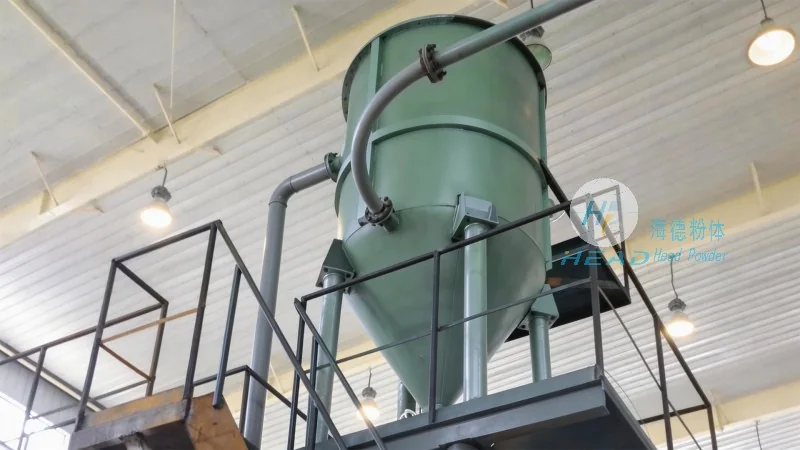
Understanding the Potassium Carbonate Material Handling Conveyor
Potassium carbonate (K₂CO₃) is a white, crystalline solid commonly used in various industries, including food processing, pharmaceuticals, and chemical manufacturing. Due to its hygroscopic nature and potential for dust generation, handling this material requires specialized equipment that can minimize contamination and ensure safe operation. The potassium carbonate material handling conveyor is specifically designed to address these challenges, providing a robust solution for material transport in industrial settings.
Key Design Principles of the Conveyor System
The design of a potassium carbonate material handling conveyor is based on several critical principles to ensure optimal performance and safety. First, the system must be constructed from materials that are resistant to chemical corrosion, as potassium carbonate can be reactive with certain metals and components. Stainless steel or specialized alloys are commonly used for the conveyor's frame and components to prevent degradation over time.
Second, the conveyor is engineered to minimize dust generation and exposure. This is achieved through enclosed or semi-enclosed designs that contain the material during transport, reducing the risk of inhalation or environmental contamination. Additionally, the system incorporates proper ventilation and filtration systems to maintain air quality in the processing area.
Third, the conveyor's speed and capacity are tailored to the specific requirements of the potassium carbonate handling process. This includes considerations such as the material's bulk density, flow characteristics, and the desired throughput rate. The design allows for adjustable speed controls and variable load capacities to accommodate different production scenarios.
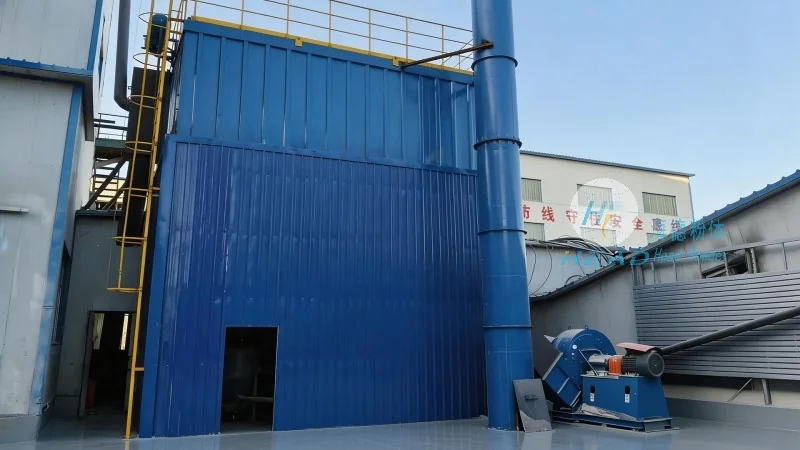
Components and Functionalities of the Conveyor
The potassium carbonate material handling conveyor typically consists of several key components that work together to ensure efficient operation. These include a feeding mechanism, a conveyor belt or chain system, a drive unit, and a control panel. The feeding mechanism is designed to evenly distribute the potassium carbonate onto the conveyor belt, preventing clumping or uneven distribution that could lead to blockages.
The conveyor belt itself is often made from materials such as rubber or polyurethane, which provide durability and resistance to the chemical properties of potassium carbonate. The belt is supported by rollers or a frame that allows for smooth movement and minimal friction, reducing wear and tear over extended use.
The drive unit, usually an electric motor, provides the necessary power to move the conveyor belt at the desired speed. The control panel allows operators to adjust the speed, monitor the system's performance, and ensure safe operation. Safety features such as emergency stop buttons and overload protection are integrated into the design to prevent accidents and equipment damage.
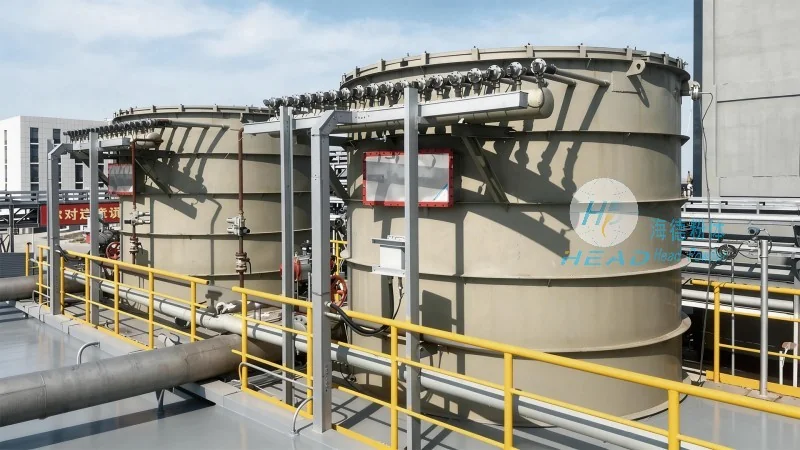
Applications and Benefits in Industrial Settings
The potassium carbonate material handling conveyor is widely used in various industrial applications where efficient material transport is essential. In food processing facilities, it helps move potassium carbonate for use as a food additive, ensuring compliance with safety and quality standards. In pharmaceutical manufacturing, the conveyor is used to transport the chemical for use in drug formulations, maintaining sterile and controlled conditions.
In chemical manufacturing, the system is employed to handle potassium carbonate during production processes, such as in the synthesis of other chemicals or as a raw material for further processing. The benefits of using this specialized conveyor include improved production efficiency, reduced labor costs, and enhanced safety for workers.
Additionally, the conveyor's design helps minimize material loss and contamination, which is critical for maintaining product quality and meeting regulatory requirements. By providing a reliable and efficient material handling solution, the potassium carbonate material handling conveyor contributes to the overall success of industrial operations.
Conclusion
In summary, the potassium carbonate material handling conveyor is a specialized piece of equipment designed to efficiently and safely transport potassium carbonate in industrial settings. Its design is based on principles of chemical resistance, dust control, and adjustable capacity to meet the unique needs of this material. By incorporating robust components and safety features, the system ensures reliable operation and contributes to improved productivity and safety in facilities that handle potassium carbonate. Products like these are often supplied by companies such as Shandong HeadPowder Engineering Co., Ltd., based in China, which specializes in engineering solutions for material handling in chemical and industrial applications.




