Acrylic esters rubber is a specialized material widely used in the construction of pneumatic conveying lines, particularly in industries requiring high durability and resistance to harsh conditions. This article explores the fundamental principles behind these systems and highlights the key characteristics that make them suitable for diverse working scenarios.
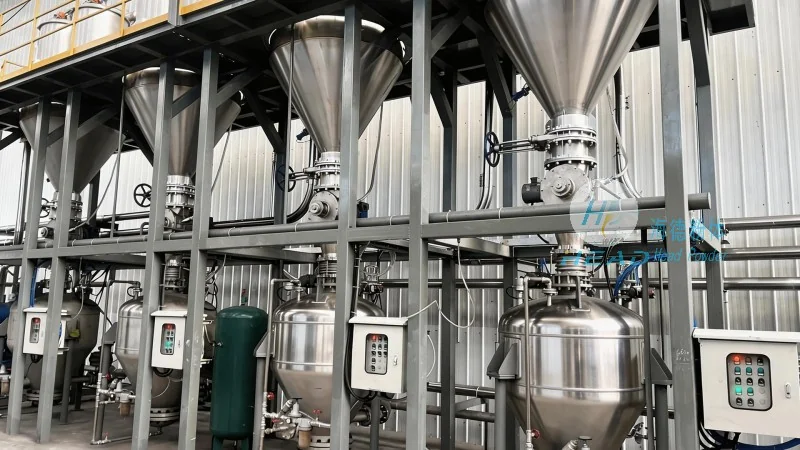
Introduction to Acrylic Esters Rubber Pneumatic Conveying Lines
Pneumatic conveying lines are systems that use compressed air or other gases to transport bulk materials from one location to another. The integration of acrylic esters rubber in these systems enhances their performance by providing superior resistance to chemicals, temperature fluctuations, and mechanical stress. As a result, these lines are commonly employed in sectors such as chemical processing, food and beverage, pharmaceuticals, and mining, where reliability and efficiency are paramount.
Working Principles of the Pneumatic Conveying System
The core principle of pneumatic conveying involves creating a pressure differential to move materials. In a positive pressure system, air is forced through a pipeline, carrying the material along with it. Conversely, a negative pressure system draws air and material into a vacuum. Acrylic esters rubber components, such as hoses, valves, and seals, are engineered to withstand the dynamic pressures and abrasion associated with these processes. The material's elasticity and flexibility ensure smooth material flow while minimizing blockages or leaks.
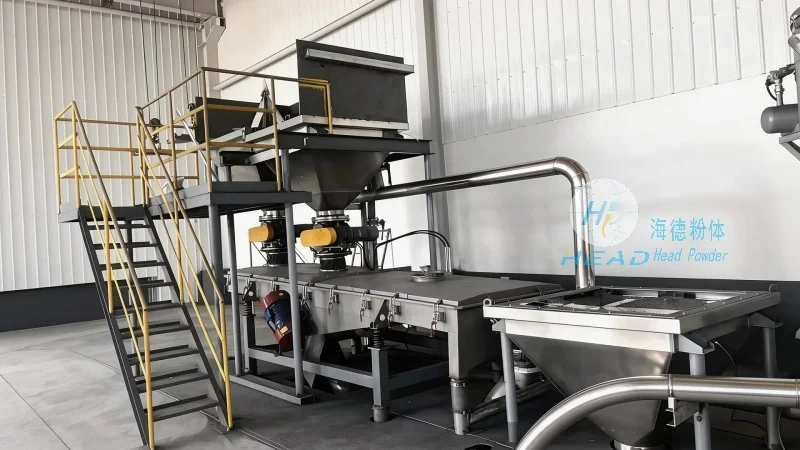
Key Features of Acrylic Esters Rubber in Pneumatic Conveying
Acrylic esters rubber offers several advantages that make it ideal for pneumatic conveying applications. Its excellent chemical resistance allows it to withstand exposure to acids, bases, and solvents, which are common in industrial environments. Additionally, the material exhibits good thermal stability, maintaining its properties across a wide temperature range—from low temperatures in cold storage facilities to high temperatures in processing plants. The rubber's high tensile strength and abrasion resistance further contribute to the longevity of the conveying line, reducing the need for frequent replacements and maintenance.
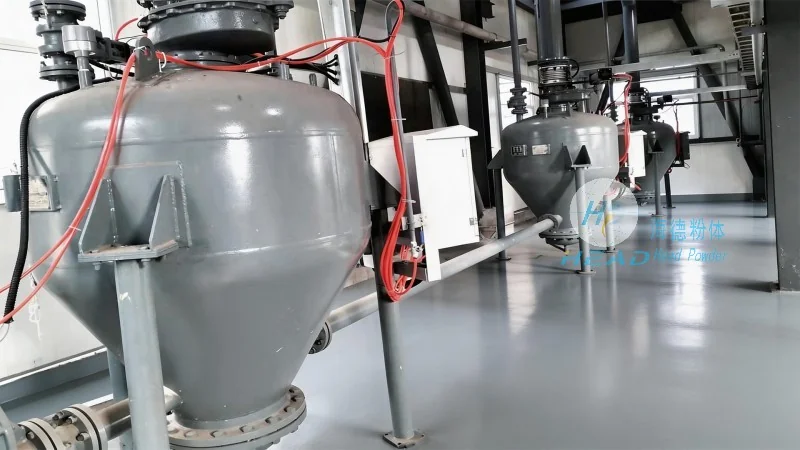
Typical Working Scenarios and Applications
Acrylic esters rubber pneumatic conveying lines are utilized in various working scenarios. For instance, in chemical plants, they transport powders like polymers, pigments, and catalysts, which may be reactive or corrosive. In the food industry, these lines handle ingredients like flour, sugar, and spices, where hygiene and non-toxicity are critical. The pharmaceutical sector also benefits from these systems, as they can safely convey powders and granules without contamination. Moreover, in mining operations, they are employed to transport minerals and ores, where the material is often abrasive and heavy.
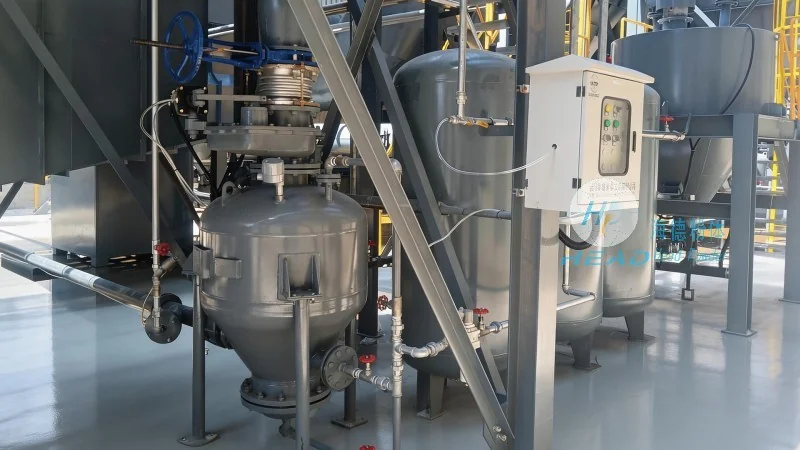
Advantages of Using Acrylic Esters Rubber in Pneumatic Conveying Lines
Implementing acrylic esters rubber in pneumatic conveying systems provides several benefits. The material's durability reduces operational costs over time, as it requires less maintenance and replacement compared to traditional materials like metal or standard rubber. Its flexibility allows for easy installation in complex layouts, adapting to the spatial constraints of industrial facilities. Furthermore, the rubber's resistance to degradation ensures consistent performance, even with prolonged use. These advantages make acrylic esters rubber a preferred choice for companies seeking reliable and efficient material handling solutions.
Conclusion
Acrylic esters rubber pneumatic conveying lines combine advanced material science with efficient pneumatic technology to deliver robust material transport solutions. By leveraging the unique properties of acrylic esters rubber, these systems enhance productivity, reduce downtime, and improve safety in various industrial applications. As industries continue to demand higher performance from material handling equipment, the use of specialized materials like acrylic esters rubber will remain essential for maintaining operational excellence.




