Limestone powder, a widely used material in various industrial processes, often requires efficient and reliable transportation methods to ensure smooth operations. Pneumatic conveying systems have emerged as a preferred solution for handling limestone powder due to their ability to transport bulk materials over long distances with minimal maintenance and operational costs. This article explores the fundamental principles behind limestone powder pneumatic conveying and highlights the key characteristics of its application scenarios, providing insights into how such systems enhance industrial productivity.
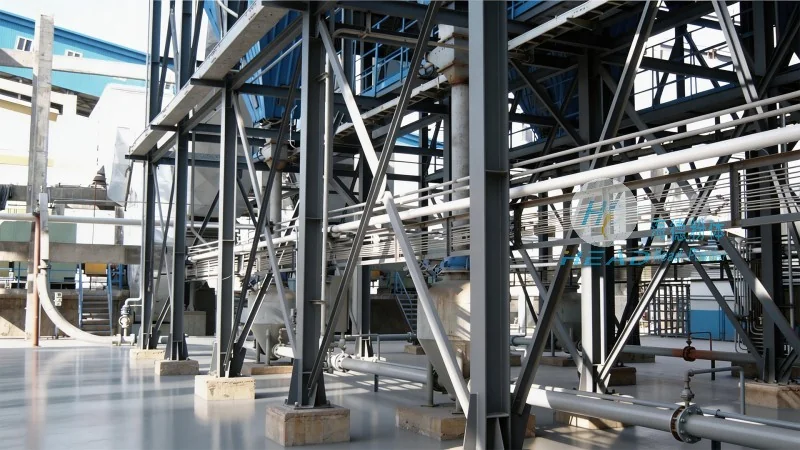
The Core Principle of Pneumatic Conveying for Limestone Powder
At the heart of limestone powder pneumatic conveying lies the use of compressed air or gas to move material particles through a pipeline. The process typically involves a hopper where limestone powder is stored, a blower or compressor that generates the necessary air pressure, and a pipeline network that transports the material to its destination. The principle is based on creating a pressure differential that propels the powder particles along the pipeline. There are two main types of pneumatic conveying systems: dilute-phase and dense-phase. Dilute-phase systems use high-velocity air to transport particles in a dispersed state, suitable for short to medium distances. Dense-phase systems, on the other hand, use lower air velocities and higher material concentrations, ideal for longer distances and more sensitive materials. For limestone powder, which is often fine and abrasive, the choice of system depends on the specific application requirements, such as the distance to be covered and the desired material handling efficiency.
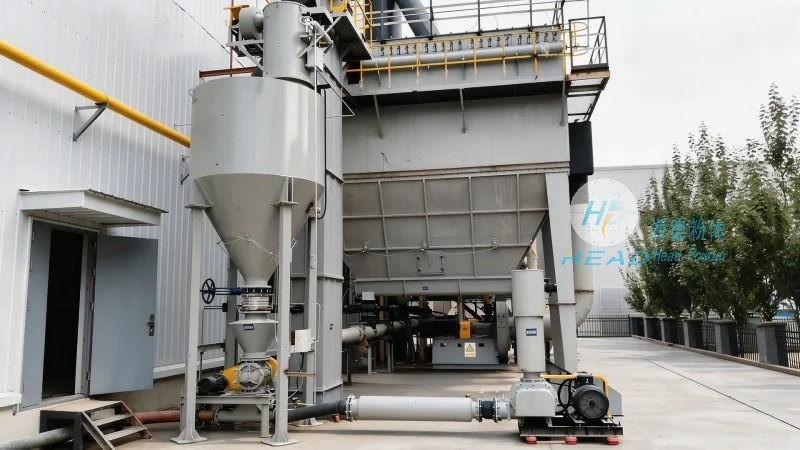
Key Application Characteristics of Limestone Powder Pneumatic Conveying
The application characteristics of limestone powder pneumatic conveying systems are tailored to meet the diverse needs of industrial sectors. One of the primary advantages is the ability to handle fine, dry powders without the need for mechanical components like belts or buckets, which can be prone to wear and tear in abrasive materials like limestone. This reduces maintenance costs and extends the operational life of the system. Additionally, pneumatic conveying systems offer flexibility in layout, allowing for complex pipeline configurations to accommodate changes in production processes or facility expansions. The systems are also designed to minimize material degradation, as the enclosed pipeline prevents exposure to external elements and reduces the risk of contamination. For industries such as cement production, steel manufacturing, and chemical processing, where limestone is a critical raw material, the efficiency of pneumatic conveying directly impacts overall production rates and quality control. The systems can be integrated with other processing equipment, such as mixers or reactors, to create a seamless material flow, enhancing process automation and reducing human intervention.
Operational Advantages and Efficiency in Limestone Powder Handling
Implementing pneumatic conveying systems for limestone powder offers several operational advantages that contribute to improved productivity and cost-effectiveness. One significant benefit is the reduction in material loss and spillage, as the enclosed pipeline system prevents dust and powder from escaping into the environment. This not only enhances workplace safety but also complies with environmental regulations, making it an environmentally friendly solution. The systems also provide consistent material flow rates, ensuring that downstream processes receive a steady supply of limestone powder, which is crucial for maintaining production continuity. In terms of energy efficiency, modern pneumatic conveying systems are designed to optimize air usage, reducing energy consumption compared to traditional methods like bucket elevators or conveyor belts. The use of variable speed drives and intelligent control systems allows for real-time adjustments to the conveying rate, adapting to fluctuations in production demand. Furthermore, the compact design of pneumatic conveying systems saves valuable floor space in industrial facilities, which is particularly beneficial in urban or space-constrained environments. The low maintenance requirements of these systems, coupled with their long service life, result in lower total cost of ownership over time.
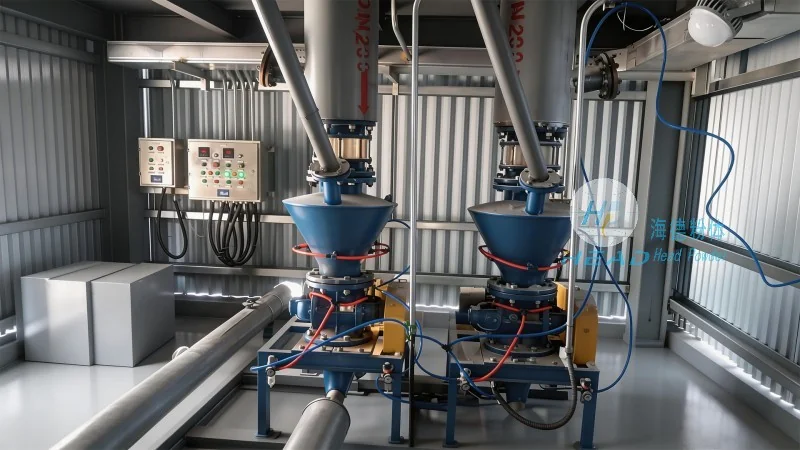
Customization and Integration for Specific Industrial Needs
Shandong HeadPowder Engineering Co., Ltd. specializes in designing and manufacturing customized pneumatic conveying solutions tailored to the unique requirements of limestone powder handling applications. The company’s expertise lies in understanding the specific challenges faced by industries, such as the abrasive nature of limestone powder or the need for long-distance transportation. By leveraging advanced engineering and material science, HeadPowder engineers develop systems that optimize performance while minimizing operational risks. For example, in cement plants, where limestone is used as a raw material for clinker production, the company designs high-capacity pneumatic conveying systems that can transport large volumes of limestone powder from storage silos to the kiln. The systems are equipped with advanced filtration and dust control mechanisms to ensure compliance with air quality standards. In steel manufacturing, where limestone is used in the blast furnace process, the company provides compact and efficient conveying solutions that integrate seamlessly with existing production lines. The customization options include different pipeline materials, such as stainless steel or plastic, to withstand the corrosive effects of limestone dust, and variable speed blowers to adjust the conveying rate based on production demands. HeadPowder’s commitment to quality and innovation ensures that their pneumatic conveying systems meet the highest industry standards, providing reliable and efficient material handling solutions for their clients.




