For industries dealing with maltose, efficient material handling is crucial for maintaining production efficiency and product quality. Pneumatic conveying systems offer a reliable solution for transporting maltose and related materials, ensuring minimal product degradation and consistent flow. This article explores the fundamental principles behind maltose material pneumatic conveying equipment, alongside key working scene characteristics that make such systems suitable for maltose processing applications.
HeadPowder Engineering: Expertise in Pneumatic Conveying Solutions
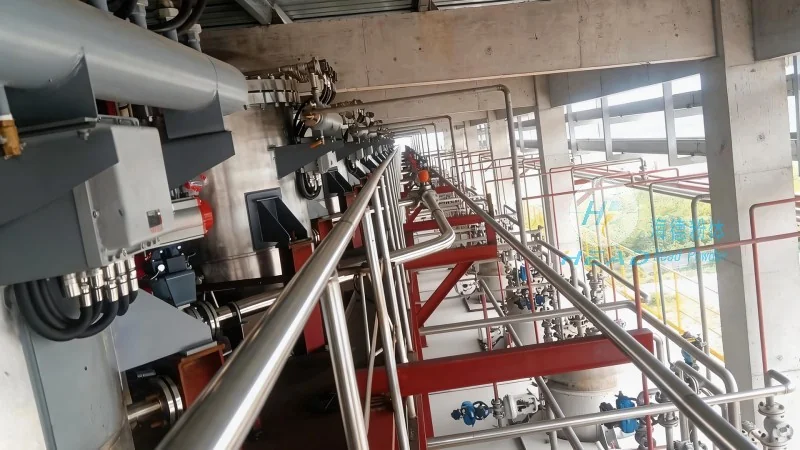
Shandong HeadPowder Engineering Co., Ltd. specializes in designing and manufacturing advanced pneumatic conveying systems tailored to the unique needs of the food and chemical industries. With a focus on precision, durability, and operational efficiency, HeadPowder provides customized solutions that meet the stringent requirements of maltose handling. The company’s headquarters is located in Shandong, China, where a team of experienced engineers and technicians develops cutting-edge equipment to enhance material transport processes.
Principle of Maltose Material Pneumatic Conveying
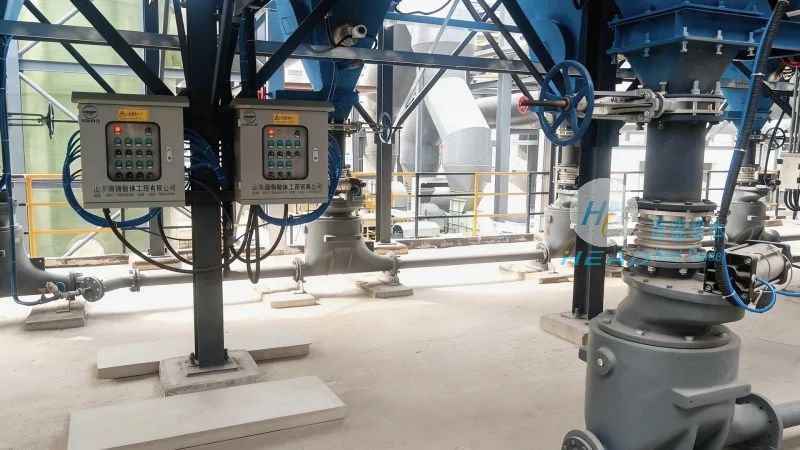
The core principle of pneumatic conveying for maltose involves using compressed air to move dry or semi-dry materials through a pipeline. In the case of maltose, which is a hygroscopic and fine-grained product, the system must be designed to prevent clogging and maintain consistent flow rates. The equipment typically consists of a hopper, a rotary valve, a conveying line, and a receiver. Compressed air is introduced into the conveying line, creating a low-pressure zone that draws the maltose from the hopper into the pipeline. The air flow then propels the material through the system, ensuring smooth and continuous transport. Key components, such as the airlock and filter, are critical for maintaining product purity and preventing dust accumulation.
Working Scene Characteristics of Maltose Pneumatic Conveying Systems
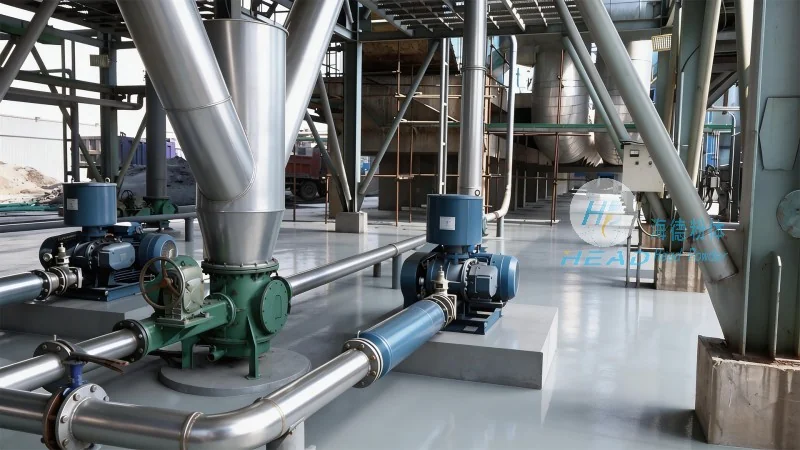
The working scene characteristics of maltose material pneumatic conveying systems are tailored to the specific demands of maltose processing environments. These systems are often used in scenarios where space is limited or where dust control is a priority. For example, in maltose production facilities, the equipment may be integrated into existing production lines to transport maltose from storage silos to processing units, such as mixers or reactors. The flexibility of pneumatic conveying allows for horizontal, vertical, or mixed-direction transport, adapting to the layout of the production facility. Additionally, the systems are designed to minimize product exposure to moisture and contaminants, which is essential for maintaining the quality of maltose, a product sensitive to environmental factors.
Advantages of Maltose Pneumatic Conveying Equipment
Implementing maltose material pneumatic conveying equipment offers several advantages over traditional methods, such as bucket elevators or belt conveyors. Firstly, the system is fully enclosed, reducing dust emissions and improving workplace safety. This is particularly important in food processing environments where hygiene standards are strictly enforced. Secondly, pneumatic conveying systems provide a continuous and uniform flow of material, eliminating the need for manual handling and reducing labor costs. The enclosed design also helps maintain product temperature, which is critical for maltose, as temperature fluctuations can affect its solubility and quality. Furthermore, the equipment is easy to clean and maintain, ensuring compliance with regulatory standards for food processing facilities.
Customization and Application Flexibility
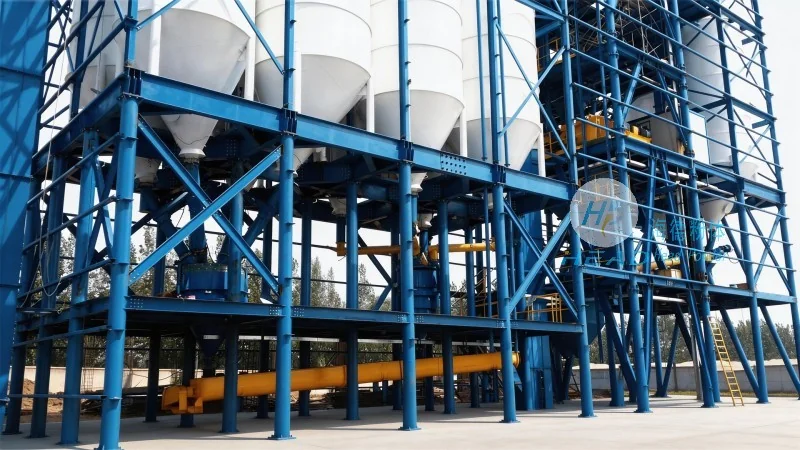
HeadPowder Engineering recognizes that each maltose processing facility has unique requirements. Therefore, the company offers customized pneumatic conveying solutions that can be tailored to specific production volumes, material characteristics, and facility layouts. The systems can be designed with different air pressure levels, conveying line diameters, and component materials to suit the needs of the application. For instance, in high-volume maltose production, a high-capacity pneumatic conveying system may be used to transport large quantities of material efficiently. In contrast, for smaller-scale operations, a compact and low-energy system may be preferred. The flexibility of the design allows for seamless integration into existing production lines, minimizing downtime and ensuring smooth operations.




