HeadPowder, a leading provider in the field, specializes in advanced pneumatic conveying solutions tailored for handling zinc oxide powder. This article explores the fundamental principles behind such systems and highlights the key characteristics of their operational environments. The company, based in Shandong, China, has established itself as a trusted name in engineering solutions for powder processing industries.
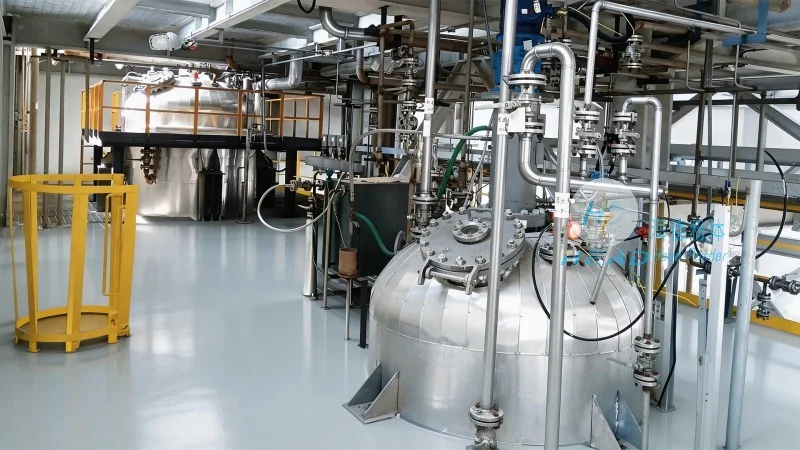
Principle of Pneumatic Conveying for Zinc Oxide Powder
The core principle of a pneumatic conveying machine for zinc oxide powder involves the use of air or gas to transport the material from one location to another. This method eliminates the need for mechanical components like belts or screws, which are often prone to wear and maintenance issues in high-particle environments. The system typically operates by creating a pressure differential, either through positive pressure (where air is forced into the system) or negative pressure (where air is drawn out), to move the powder. For zinc oxide, which is a fine, abrasive powder, the design of the conveying line is critical to ensure efficient and reliable transport without causing excessive wear on the equipment.
Key components of the system include the hopper (for material storage), the conveyor line (usually made of stainless steel or other corrosion-resistant materials to handle the chemical properties of zinc oxide), and the air supply system (which may include blowers or vacuum pumps). The design must also consider the particle size and flow characteristics of zinc oxide, as these factors influence the air velocity required for effective transport. Properly sized and positioned inlets and outlets are essential to maintain a consistent flow and prevent blockages or segregation of the powder.
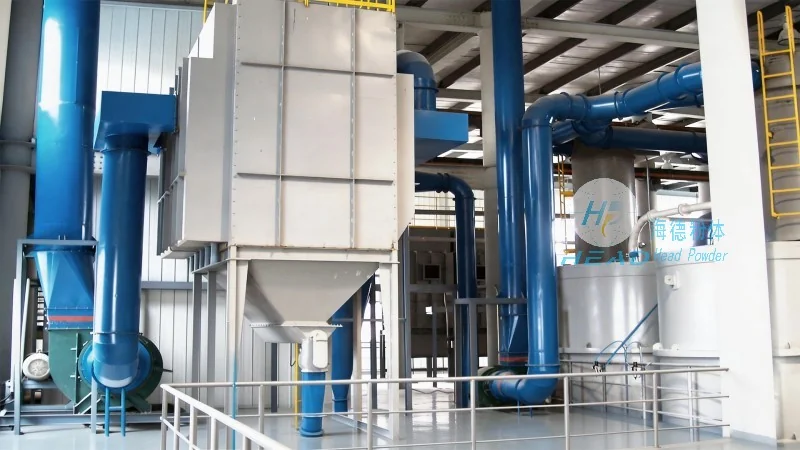
Working Scene Characteristics and Operational Advantages
The operational environment for zinc oxide powder pneumatic conveying systems is characterized by several unique aspects that impact system design and performance. One of the primary challenges is the fine particle size of zinc oxide, which can lead to issues like dust generation and air leakage if not properly sealed. The systems are engineered with tight-fitting connections and dust collection systems to mitigate these risks, ensuring compliance with environmental regulations and maintaining a safe working environment.
Another important characteristic is the abrasive nature of zinc oxide powder. Over time, the constant friction between the powder and the conveyor line can cause wear on the equipment. To address this, the conveying lines are often lined with wear-resistant materials such as polyurethane or rubber, and the system is designed with smooth, curved transitions to minimize particle impact and abrasion. This not only extends the lifespan of the equipment but also reduces maintenance costs and downtime.
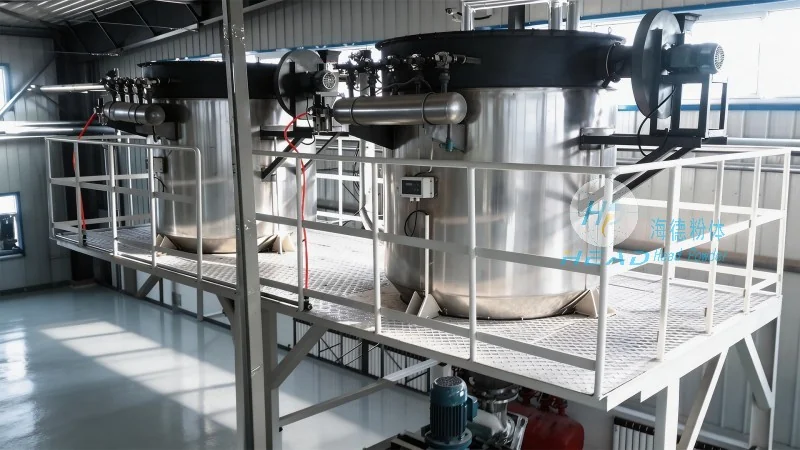
Operational advantages of pneumatic conveying for zinc oxide powder include high efficiency in material transport, as the system can move large quantities of powder over long distances with minimal energy consumption compared to traditional methods like bucket elevators or screw conveyors. Additionally, the enclosed system prevents dust from spreading into the workplace, improving air quality and reducing the risk of respiratory issues for operators. The flexibility of the system also allows for easy integration with other processing equipment, such as mixers or reactors, enabling seamless workflow in production lines.
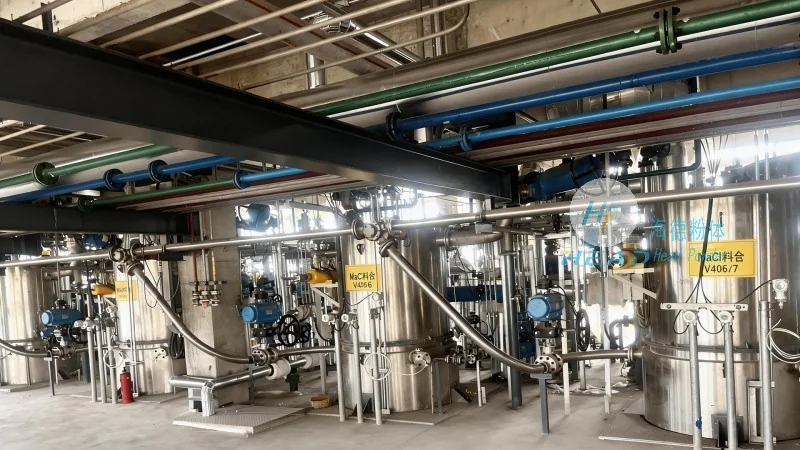
Application Scenarios and Industry Integration
Zinc oxide powder pneumatic conveying systems are widely used in various industrial applications where the material needs to be transported from storage to processing units or between different stages of production. For example, in the chemical and pharmaceutical industries, these systems are essential for moving zinc oxide into reactors or mixing equipment, ensuring consistent material flow and quality control. In the manufacturing of rubber and plastic products, zinc oxide is often used as a reinforcing agent, and the pneumatic conveying system provides a reliable method to introduce it into the production line without contamination or loss.
In the context of HeadPowder's engineering solutions, their systems are designed to meet the specific requirements of each client, whether it's for small-scale laboratory applications or large-scale industrial production. The company's expertise in material handling and pneumatic systems allows them to customize the conveying equipment to handle varying particle sizes, flow rates, and distances, ensuring optimal performance and reliability. The systems are also built to be durable and low-maintenance, with features like automatic cleaning and monitoring systems to detect any issues before they lead to system failure.




