Welcome to Shandong HeadPowder Engineering Co., Ltd., a leading provider in the field of pneumatic conveying systems. Our company specializes in the design, manufacturing, and installation of advanced water-in-powder pneumatic conveying solutions. This article will delve into the detailed operation process and working principle of such systems, providing a comprehensive understanding for professionals and potential clients alike.
Introduction to Water-in-Powder Pneumatic Conveying
Water-in-powder pneumatic conveying is a sophisticated method used to transport dry powders or granules through a pipeline using a combination of air and water as the conveying medium. This technology offers several advantages over traditional dry pneumatic conveying, including improved material handling efficiency, reduced dust emissions, and enhanced safety in industrial environments. The system is particularly suitable for transporting fine powders that are prone to caking or agglomeration, making it a preferred choice in industries like pharmaceuticals, food processing, and chemical manufacturing.
Key Components of the Water-in-Powder System
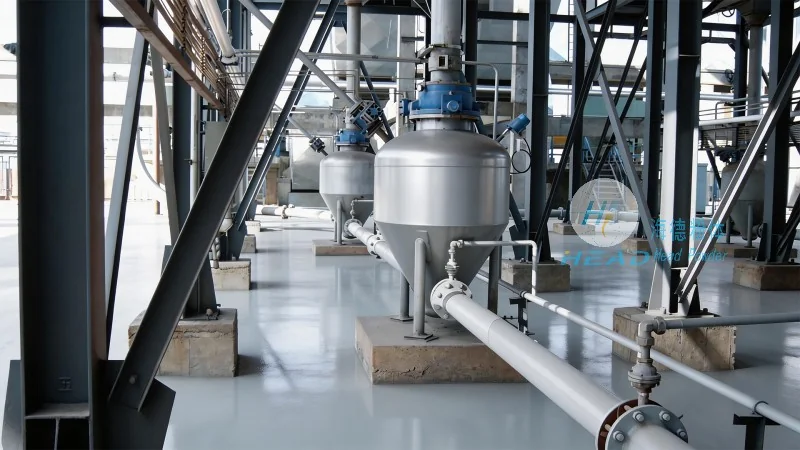
The water-in-powder pneumatic conveying system consists of several critical components that work in tandem to ensure efficient material transport. These components include a feed hopper, a pump or pressure vessel for water, a mixing chamber where the powder is introduced and mixed with water, a conveying pipeline, and a separation unit at the discharge end. Each component plays a vital role in the overall operation, and their proper integration is essential for optimal performance.
The Operation Process: Step-by-Step Breakdown
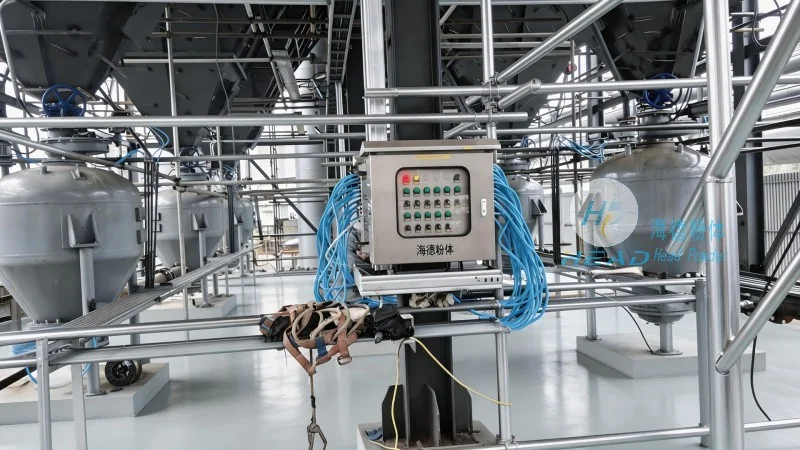
The operation of a water-in-powder system typically follows a sequential process. First, the dry powder is fed into the hopper from the material source. Simultaneously, water is pumped into the mixing chamber. The powder then enters the chamber and mixes with the water, forming a slurry or a wet mixture. This slurry is then pressurized and introduced into the conveying pipeline. As the mixture travels through the pipeline, the air and water mixture propels the slurry forward, transporting the powder to the destination. At the discharge end, the system separates the water from the powder, allowing the dry material to be collected while the water is recycled or disposed of as per environmental regulations.
Working Principle: How It Works at the Molecular Level
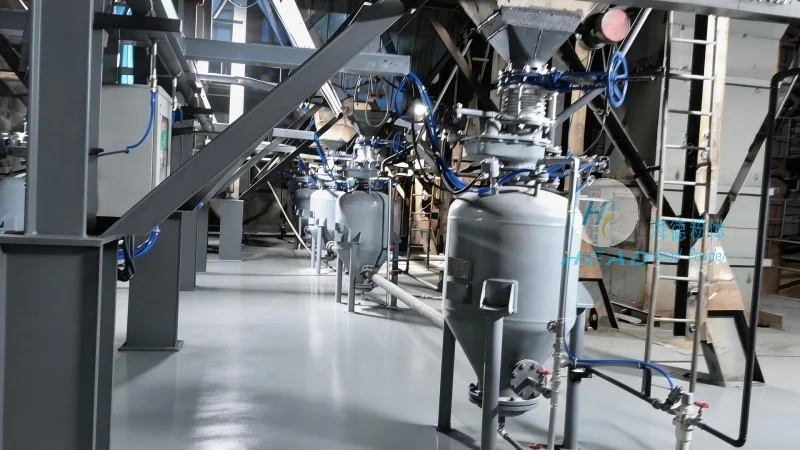
The working principle of water-in-powder pneumatic conveying is based on the principles of fluid dynamics and particle transport. The system utilizes a two-phase flow where the powder particles are suspended in a water-air mixture. The water acts as a carrier, reducing the friction between the particles and the pipeline walls, which minimizes wear and tear on the equipment. The air provides the necessary pressure and velocity to move the slurry through the pipeline. The key to the system's efficiency lies in maintaining the correct proportion of water to powder, ensuring that the mixture remains fluid enough to be conveyed without clogging the pipeline. This balance is crucial for consistent performance and minimal maintenance.
Advantages and Applications of Water-in-Powder Pneumatic Conveying
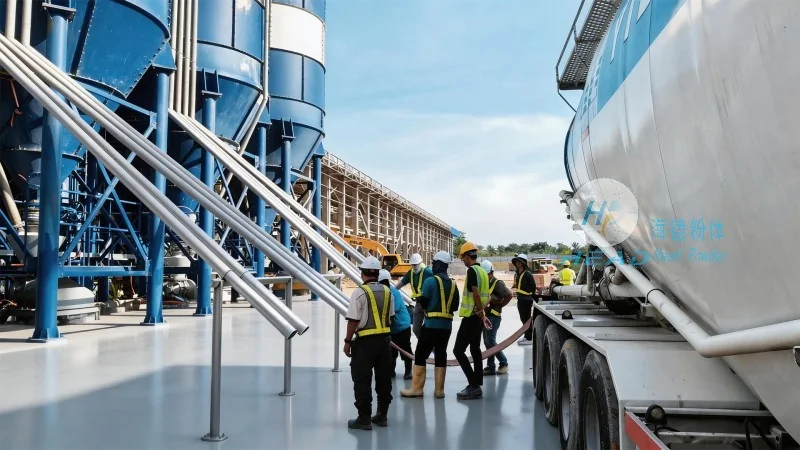
Water-in-powder pneumatic conveying offers numerous benefits that make it an attractive option for various industrial applications. Some of the key advantages include: enhanced dust control, as the water helps to suppress airborne particles; improved material flow, reducing the risk of blockages and clogging; and increased safety, as the system operates under pressure, minimizing the exposure of workers to dry powders. The technology is widely used in the pharmaceutical industry for transporting active pharmaceutical ingredients (APIs) and excipients, in food processing for handling powders like flour and sugar, and in chemical manufacturing for transporting fine chemicals and pigments.
Conclusion and Company Overview
Shandong HeadPowder Engineering Co., Ltd. is committed to providing high-quality water-in-powder pneumatic conveying systems that meet the diverse needs of our clients. Our expertise in designing and implementing these systems ensures that we deliver solutions that are efficient, reliable, and environmentally friendly. By understanding the operation process and working principle of water-in-powder pneumatic conveying, industries can make informed decisions about adopting this technology to improve their material handling processes and enhance overall operational efficiency.




