Shandong HeadPowder Engineering Co., Ltd. specializes in the design, manufacturing, and installation of advanced pneumatic conveying systems, including wool pneumatic conveying lines. With a focus on efficiency and reliability, the company provides tailored solutions for various industrial applications.
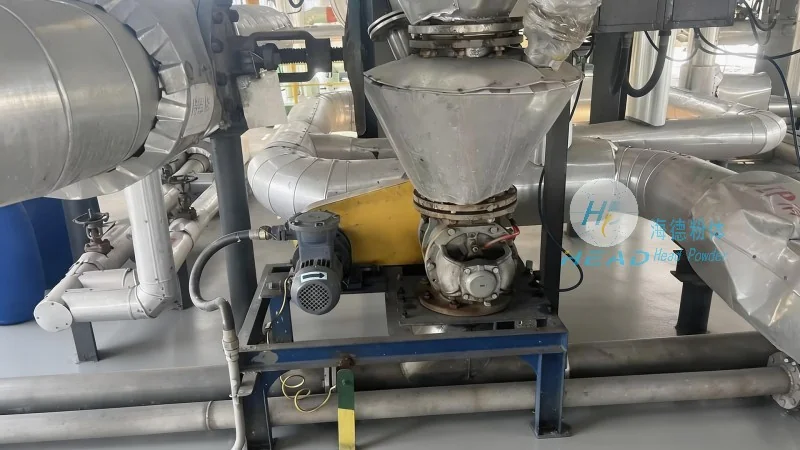
Wool Pneumatic Conveying Lines: An Overview
Wool pneumatic conveying lines are specialized systems engineered to transport wool fibers and related materials efficiently and safely. These systems utilize air pressure to move the material through a network of pipes, eliminating the need for mechanical components like belts or buckets. The design of these lines is optimized to handle the unique properties of wool, such as its lightweight and fibrous nature, ensuring minimal damage and high throughput.
Operation Process of Wool Pneumatic Conveying Lines
The operation of a wool pneumatic conveying line typically involves several key steps. First, the raw wool is fed into the system, often through a hopper or feeder. The material is then drawn into the conveying line by a vacuum or pressure source, depending on the system configuration. As the wool travels through the pipes, it is propelled by the air flow, which can be controlled to maintain consistent velocity and prevent material buildup. The system may include intermediate collection points or silos to store the material during transport. Finally, the wool is discharged at the destination point, ready for further processing or storage.
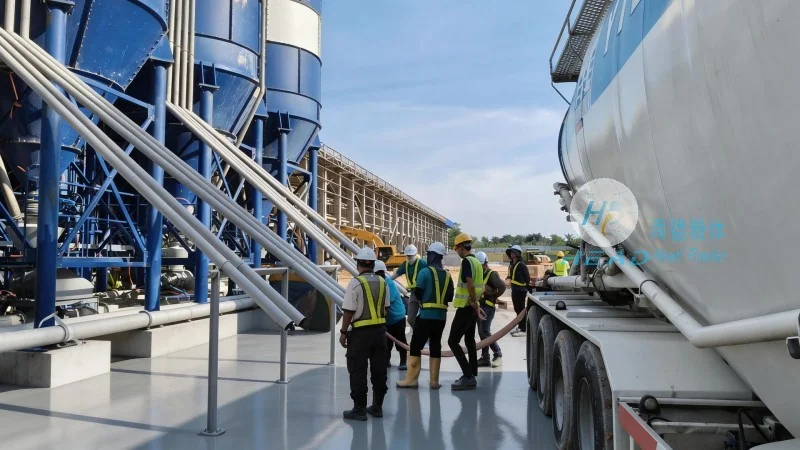
Working Principle of Wool Pneumatic Conveying Lines
The working principle of wool pneumatic conveying lines is based on the principles of fluid dynamics and air movement. The system operates by creating a pressure differential between the inlet and outlet of the conveying line. In a vacuum system, the air is drawn from the outlet, creating a negative pressure that pulls the wool into the line. In a pressure system, compressed air is introduced at the inlet, pushing the material through the pipes. The velocity of the air is carefully controlled to ensure that the wool fibers are carried without excessive turbulence or damage. The design of the pipe diameter, length, and bends is critical to maintaining the optimal air velocity and pressure, which directly impacts the system's efficiency and material handling capacity.
Key Components of Wool Pneumatic Conveying Lines
Wool pneumatic conveying lines consist of several essential components that work together to ensure smooth operation. These include feeders, which control the flow of raw wool into the system; conveying pipes, which form the main transport path; air movers (fans or blowers), which generate the necessary air pressure or vacuum; and control valves, which regulate the air flow and pressure. Additionally, the system may incorporate filters to remove dust and debris from the air, and silos or hoppers for material storage. Each component is designed to withstand the specific demands of wool handling, such as resistance to abrasion and moisture.
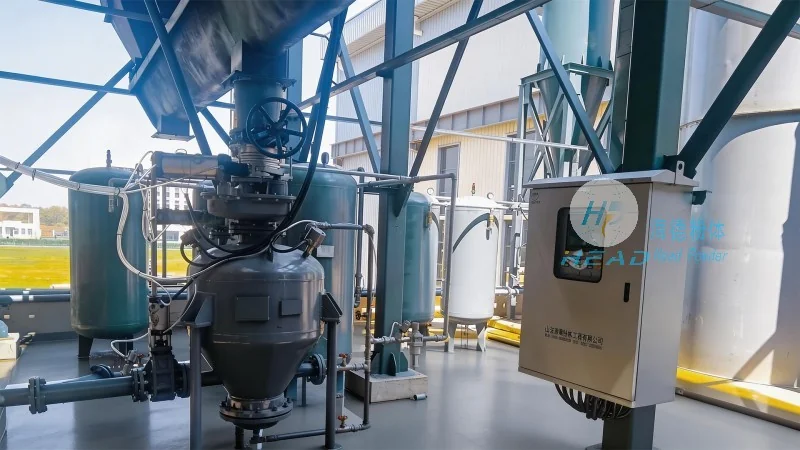
Advantages of Wool Pneumatic Conveying Lines
Wool pneumatic conveying lines offer several advantages over traditional mechanical conveying systems. One of the primary benefits is the reduction in material handling time and labor costs, as the system automates the transport process. Additionally, the enclosed design of the pipes minimizes dust and contamination, improving workplace safety and product quality. The system also allows for flexible layout configurations, enabling easy integration into existing production facilities. Furthermore, the low maintenance requirements and energy efficiency of pneumatic conveying lines contribute to long-term cost savings for manufacturers.
Applications of Wool Pneumatic Conveying Lines
Wool pneumatic conveying lines are widely used in various industries, particularly in the textile and wool processing sectors. They are commonly employed in wool sorting, cleaning, and baling operations, where the material needs to be transported between different processing stages. The systems are also used in the production of woolen products, such as yarn and fabric, where consistent material flow is critical to maintaining product quality. Additionally, these lines are suitable for handling other fibrous materials, such as cotton or synthetic fibers, making them versatile solutions for diverse industrial needs.




