For professionals in the construction and finishing industries, understanding the efficient and reliable operation of joint compound pneumatic conveying lines is crucial. These systems are essential for transporting dry joint compounds, such as gypsum-based or polymer-modified compounds, from storage to application points with minimal human intervention. The following overview details the typical operation process and underlying working principles of such systems, highlighting key components and their functions.
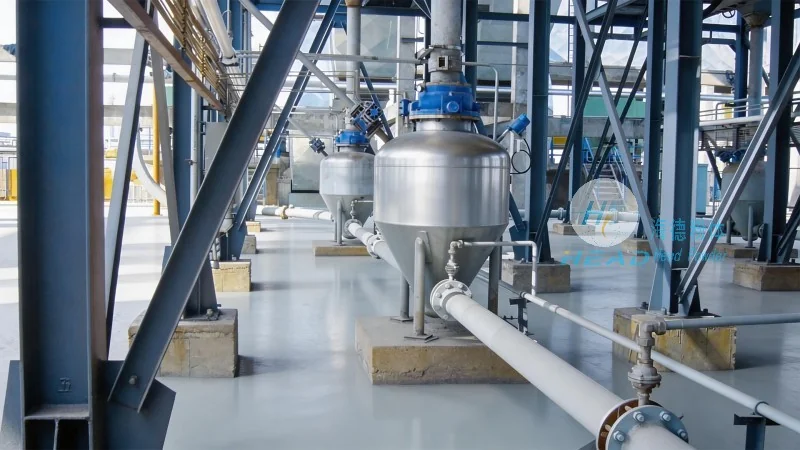
Key Components of a Joint Compound Pneumatic Conveying System
A pneumatic conveying line for joint compounds typically consists of several critical components that work in concert to ensure smooth material transport. The main elements include a hopper or storage silo, a rotary airlock or feeder, a conveying pipe network, a pulse jet or positive pressure blower, and a receiving hopper or spray gun. Each component plays a vital role in maintaining the integrity of the joint compound and ensuring consistent flow rates.
The Operation Process: Step-by-Step Breakdown
The operation of a joint compound pneumatic conveying line begins with material loading into the storage hopper. The hopper is designed to hold a sufficient quantity of joint compound, allowing for continuous operation without frequent refills. As the material is drawn from the hopper, it passes through a rotary airlock or feeder. This device acts as a controlled valve, preventing backflow and regulating the flow rate of the material into the conveying pipe. The feeder ensures that the material is introduced into the system in a controlled manner, avoiding clogging or uneven flow.
Once the material enters the conveying pipe, it is propelled by a blower or compressor. In a positive pressure system, the blower pushes air and material through the pipe, while in a negative pressure (or suction) system, the blower creates a vacuum to draw material from the hopper. The choice between positive and negative pressure depends on factors such as the distance to be conveyed, the material's properties, and the system's design. The conveying pipe is usually made of stainless steel or other corrosion-resistant materials to prevent degradation of the joint compound and to facilitate cleaning.
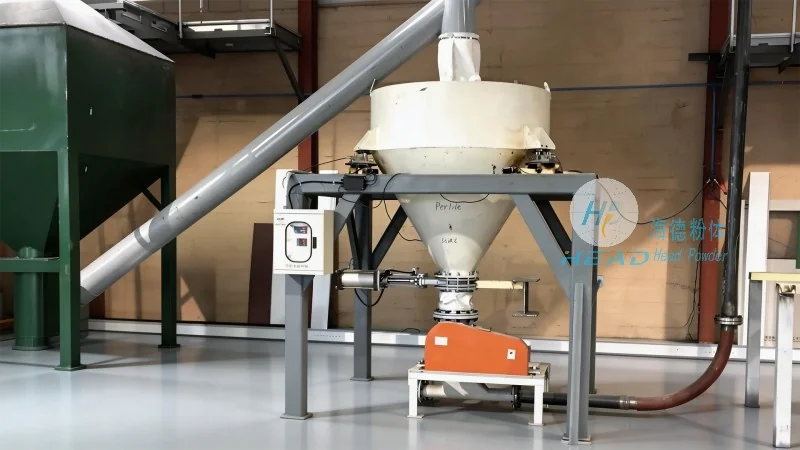
During transport, the material is mixed with air, forming a slurry-like mixture. The air velocity within the pipe must be maintained at a level that prevents material settling or clogging while ensuring efficient transport. Pulse jet systems use intermittent bursts of high-pressure air to keep the material suspended and prevent blockages, especially in horizontal or inclined sections of the pipe. The receiving hopper or spray gun is the final component where the material is deposited or applied. The receiving hopper may be equipped with a rotary valve to control the flow of material to the spray gun or other application equipment.
Working Principles: How the System Ensures Efficiency and Reliability
The working principles of a joint compound pneumatic conveying line are based on the principles of fluid dynamics and material handling. The system relies on the interaction between air and solid particles to achieve transport. In a positive pressure system, the blower generates sufficient pressure to overcome the resistance of the pipe and the material's weight, ensuring that the material moves continuously. The air velocity is critical; it must be high enough to keep the particles suspended but not so high as to cause excessive wear on the pipe or equipment.
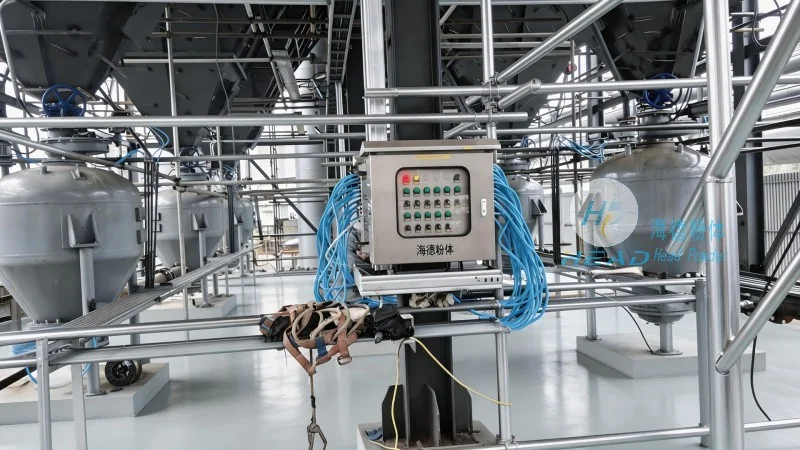
In a negative pressure system, the blower creates a vacuum that pulls the material from the hopper. This method is often used for shorter distances or when the material is more sensitive to pressure changes. The system's control system monitors parameters such as pressure, flow rate, and temperature to ensure optimal performance. Sensors and control valves adjust the air flow and material feed rate in real-time, preventing overloading or underloading of the system.
Benefits of Using a Pneumatic Conveying Line for Joint Compounds
Implementing a pneumatic conveying line for joint compounds offers several advantages over traditional methods like bucket elevators or manual handling. These systems provide a dust-free environment, reducing the risk of respiratory issues for workers and minimizing the need for dust suppression measures. The automated operation reduces labor costs and increases productivity, as the system can run continuously without constant human supervision. Additionally, the system maintains the quality of the joint compound by preventing moisture absorption or contamination during transport. The consistent flow rate ensures that the application equipment receives a uniform material supply, leading to better finishing results.
Conclusion: The Role of Shandong HeadPowder Engineering Co., Ltd. in Pneumatic Conveying Solutions
Shandong HeadPowder Engineering Co., Ltd., operating under the brand name headpowder, specializes in designing and manufacturing high-quality pneumatic conveying systems tailored to the needs of the construction and finishing industries. With a focus on reliability, efficiency, and durability, their systems incorporate advanced technology and robust components to ensure long-term performance. By understanding the operation process and working principles of joint compound pneumatic conveying lines, users can optimize their material handling processes, reduce costs, and improve overall productivity. The company's expertise in engineering and manufacturing ensures that clients receive customized solutions that meet their specific requirements, contributing to the success of their projects.




