For industrial applications requiring efficient and reliable material handling, pneumatic conveying systems have become a cornerstone technology. Specifically, titanium dioxide, a critical white pigment used in a wide range of industries from coatings to plastics, demands specialized handling solutions. This article explores the operation process and working principles of pneumatic conveying lines designed for titanium dioxide, highlighting the technical aspects and operational efficiency of such systems.
Company Overview: Shandong HeadPowder Engineering Co., Ltd.
As a leading provider in the field, Shandong HeadPowder Engineering Co., Ltd., operating under the brand name headpowder, specializes in the design, manufacturing, and implementation of advanced material handling solutions. With a strong focus on precision and durability, the company serves clients globally, ensuring that their pneumatic conveying systems meet the stringent requirements of handling fine powders like titanium dioxide. HeadPowder’s expertise lies in creating customized solutions that enhance productivity while maintaining the quality and purity of the material throughout the conveying process.
Key Components of a Titanium Dioxide Pneumatic Conveying Line
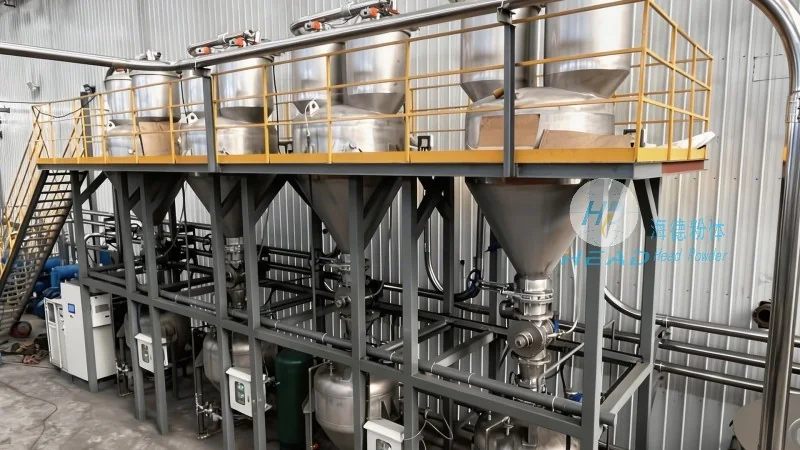
The operation of a pneumatic conveying system for titanium dioxide involves several key components that work in tandem to ensure smooth material transport. These components include the material hopper, which serves as the storage and feeding unit, the conveyor itself, which may be of the positive or negative pressure type depending on the system design, and the control valves that regulate the flow of air and material. Additionally, filters and dust collectors are integral to maintaining air quality and preventing material loss. Each component is engineered to handle the specific properties of titanium dioxide, such as its fine particle size and potential for static electricity, ensuring safe and efficient operation.
Working Principle of the Conveying Process
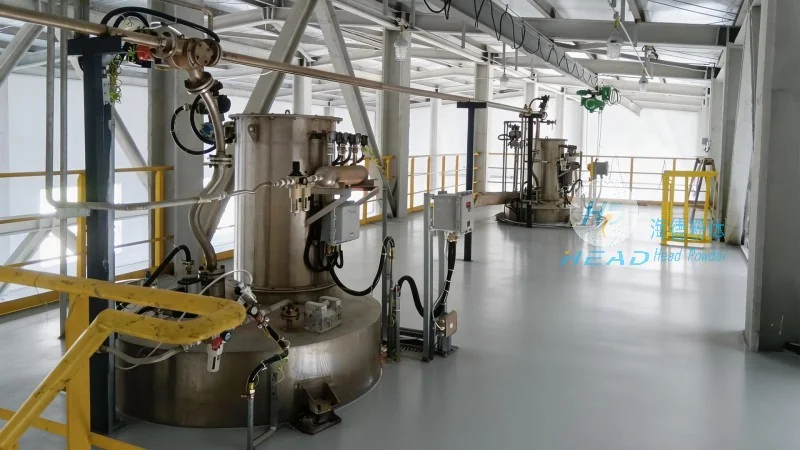
The working principle of a pneumatic conveying line for titanium dioxide is based on the use of air to transport the material through a pipeline. In a typical system, the material is first fed from the hopper into the conveyor line. Air is then introduced, either by a blower or a compressor, creating a flow that carries the titanium dioxide particles through the system. The pressure and velocity of the air are carefully controlled to ensure that the material is conveyed without clogging or degradation. The system may operate under positive pressure, where air is forced into the line, or under negative pressure, where air is drawn out, depending on the specific application and layout. This method allows for a continuous and automated process, reducing manual handling and minimizing the risk of contamination.
Operational Efficiency and Maintenance Considerations
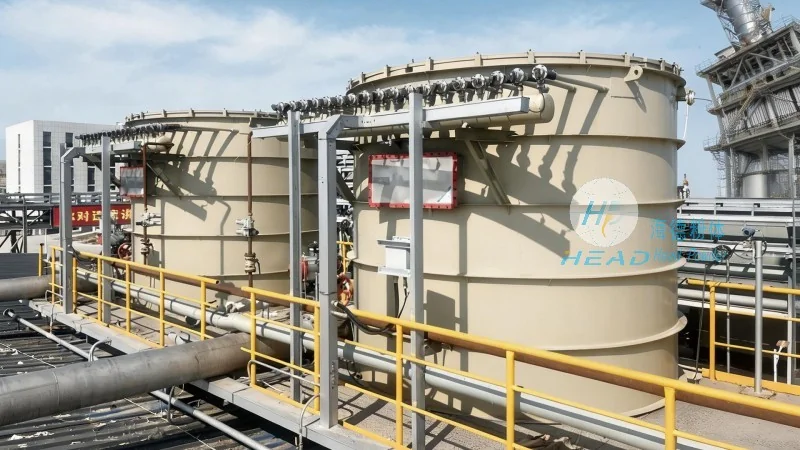
Efficiency in the operation of titanium dioxide pneumatic conveying lines is crucial for industrial productivity. Proper design and maintenance are key to ensuring consistent performance. Regular maintenance includes checking the condition of filters, ensuring the blower or compressor operates within optimal parameters, and inspecting the conveyor line for any signs of wear or blockage. The use of high-quality materials for the hopper and pipeline, such as stainless steel or specialized plastics, helps to prevent corrosion and material buildup, which can affect the conveying efficiency. Additionally, the system’s control mechanisms, including sensors and automation, play a vital role in monitoring and adjusting the flow of material and air in real-time, optimizing the overall operation.
Benefits of Using Pneumatic Conveying for Titanium Dioxide
Implementing a pneumatic conveying system for titanium dioxide offers several advantages over traditional methods like bucket elevators or belt conveyors. The primary benefit is the ability to handle fine powders without the need for mechanical contact, which reduces the risk of material degradation or contamination. This method also allows for a more compact and flexible layout, as the system can be configured to follow the existing plant layout. Furthermore, pneumatic conveying enables a continuous and automated process, reducing labor costs and increasing production throughput. The system’s ability to maintain the purity of the titanium dioxide is particularly important for applications where the material’s quality directly impacts the final product’s performance, such as in high-end coatings or specialty plastics.




