Carboxymethyl cellulose (CMC) is a widely used industrial chemical, often employed in various manufacturing processes for its rheological properties and ability to enhance fluidity and stability. When it comes to handling and transporting CMC materials, specialized systems are essential to ensure efficient and safe operations. This article explores the concept of a carboxymethyl cellulose material handling system, detailing its design principles and the critical factors that contribute to its effectiveness in industrial settings.

Understanding Carboxymethyl Cellulose Material Handling Systems
At the heart of many industrial applications, carboxymethyl cellulose serves as a key additive in products ranging from food and pharmaceuticals to construction and personal care items. The material handling system designed for CMC must address the unique challenges posed by its physical and chemical characteristics. CMC is typically a powder or granule that can be hygroscopic, meaning it absorbs moisture from the air, which can affect its flowability and processing behavior. Therefore, the system must be engineered to maintain the material's integrity and prevent caking or agglomeration during transport and storage.
Core Design Principles of the System
The design of a carboxymethyl cellulose material handling system is guided by several fundamental principles aimed at optimizing performance, safety, and cost-effectiveness. First, the system must ensure proper material flow and prevent blockages or bridging in hoppers and chutes. This is achieved through the use of specialized feeding mechanisms, such as rotary valves or vibratory feeders, which maintain consistent material movement. Second, the system incorporates dust control measures, as CMC is a fine powder that can generate airborne particles, posing health and safety risks. Enclosed systems with effective dust collection and filtration are standard to minimize exposure and comply with environmental regulations.
Key Components and Their Functions
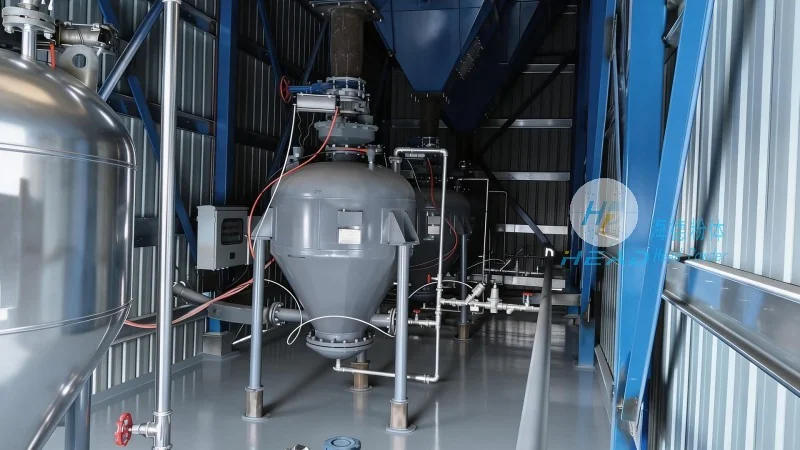
Several critical components make up a carboxymethyl cellulose material handling system, each playing a vital role in the overall operation. The hopper or storage silo is the primary container for the material, designed with smooth, non-stick surfaces to prevent material buildup and ensure easy discharge. The feeding mechanism, often a rotary airlock or screw conveyor, regulates the flow of CMC from the hopper to downstream processing equipment. The conveyor or pneumatic transport system then moves the material to the processing unit, such as a mixer or extruder. Additionally, the system includes control panels and sensors to monitor flow rates, pressure, and temperature, providing real-time data for process optimization.
Operational Efficiency and Process Integration
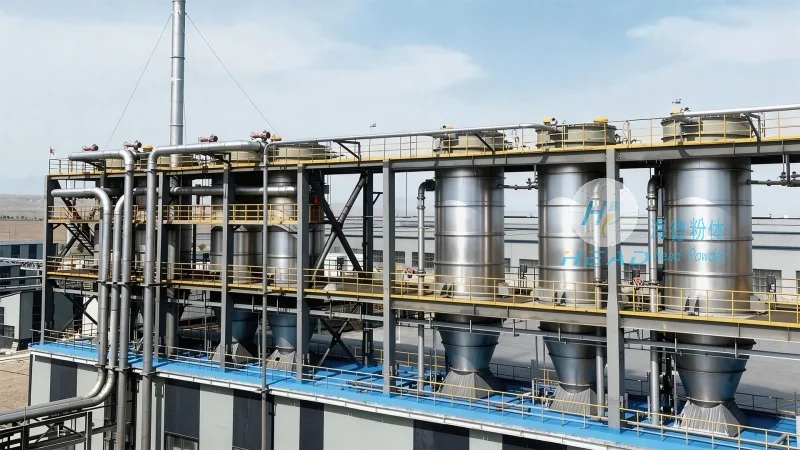
Efficiency is a key consideration in the design of CMC material handling systems. The system must minimize downtime and maximize throughput while maintaining product quality. By integrating the material handling system with the overall production process, manufacturers can achieve seamless material transfer from storage to processing. This integration reduces manual handling, lowers labor costs, and improves overall productivity. The system's ability to handle varying material loads and adjust flow rates dynamically ensures that production lines operate smoothly, even under fluctuating demand.
Customization and Application Flexibility
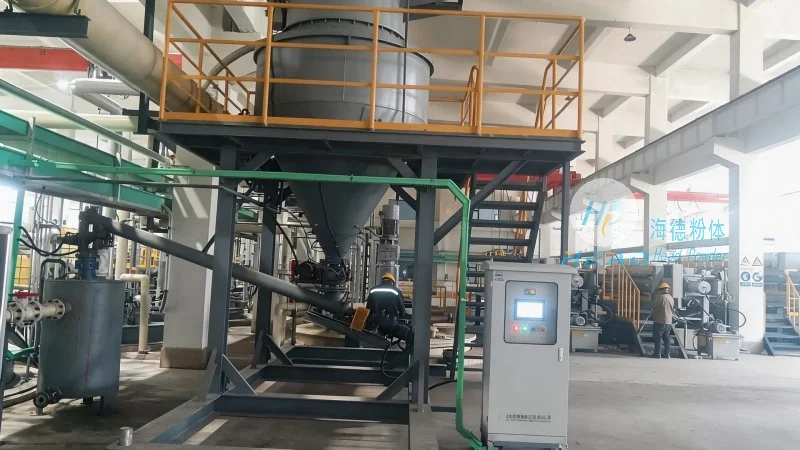
Carboxymethyl cellulose is used in diverse applications, and the material handling system must be adaptable to meet specific requirements. Customization options include different hopper sizes, feeding rates, and transport methods, allowing the system to be tailored to the scale of the operation. For example, small-scale production may use a compact system with a manual feeding mechanism, while large-scale industrial facilities employ automated systems with high-capacity conveyors. The system's flexibility also extends to the ability to handle other similar powders or materials, providing versatility for manufacturers who may need to switch between different additives or raw materials.
HeadPowder, a leading provider of industrial material handling solutions, specializes in designing and manufacturing systems tailored to the unique needs of CMC and other fine powders. With a focus on innovation and customer satisfaction, HeadPowder's systems are engineered to deliver reliable performance and enhance operational efficiency. The company's headquarters are located in Shandong, China, where its team of experts leverages years of experience to develop cutting-edge solutions that meet the demands of modern manufacturing. By choosing a carboxymethyl cellulose material handling system from HeadPowder, businesses can ensure that their CMC processing operations are optimized for safety, efficiency, and cost-effectiveness.




