Long-distance pneumatic conveying lines are sophisticated systems designed to transport bulk materials over significant distances using compressed air or other gases. These systems are widely used in various industries, including food processing, pharmaceuticals, chemicals, and mining, due to their efficiency and ability to handle a wide range of materials. The operation process and working principle of such lines involve several key components and steps that ensure reliable and continuous material transport.
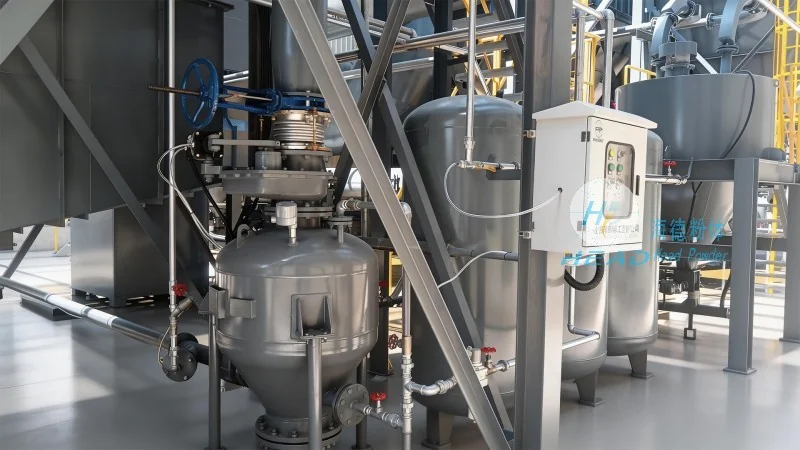
Key Components of a Long-Distance Pneumatic Conveying System
A typical long-distance pneumatic conveying system consists of several essential components that work in tandem to achieve effective material transport. The primary components include a blower or compressor to generate the necessary air pressure, a hopper or feeder to introduce the material into the system, a conveying line (usually made of metal or plastic pipes) to carry the material and air mixture, and a control system to regulate the flow and pressure. Additionally, the system may include accessories like filters, cyclones, and silos to manage dust, separate materials, and store the conveyed product.
The Working Principle of Pneumatic Conveying
The core working principle of pneumatic conveying is based on the use of air or gas to create a flow that transports solid particles. In a positive pressure system, a blower forces compressed air into the conveying line, which then carries the material particles along with the air stream. The air pressure is maintained at a level sufficient to overcome the resistance from the material and the pipe, ensuring smooth transport. In contrast, a negative pressure (or vacuum) system uses a vacuum pump to create a low-pressure environment that draws material from the source into the line. Both systems rely on the principle of fluid dynamics to move the material through the pipeline.
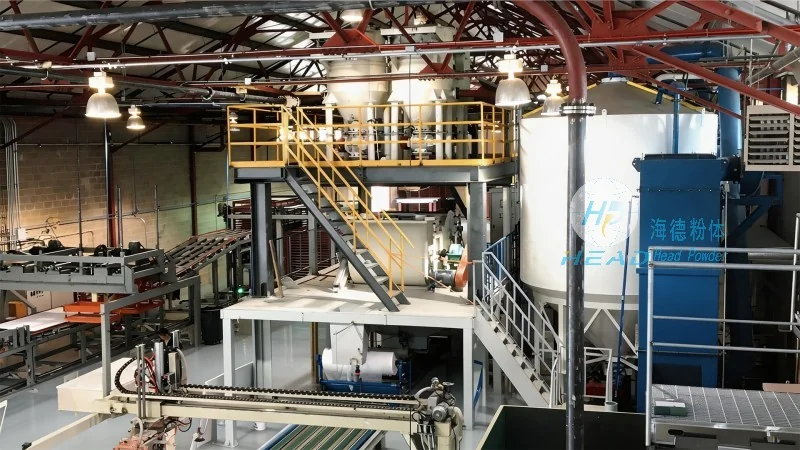
Operation Process of Long-Distance Pneumatic Conveying Lines
The operation process of a long-distance pneumatic conveying line begins with the preparation of the material, which is typically stored in a hopper or silo. The material is then fed into the conveying line through a feeder, which controls the flow rate to match the system's capacity. The blower or vacuum pump is activated, and compressed air is introduced into the line. In a positive pressure system, the air pushes the material particles forward, while in a negative pressure system, the vacuum pulls the material into the line. The material travels through the pipeline, which may include bends, expansions, and contractions, all designed to maintain the flow without causing blockages or excessive pressure drops. At the receiving end, the material is deposited into a silo or storage tank, and the air is filtered and released back into the environment. The control system continuously monitors the pressure, flow rate, and material level to ensure optimal operation and prevent issues like clogging or overloading.
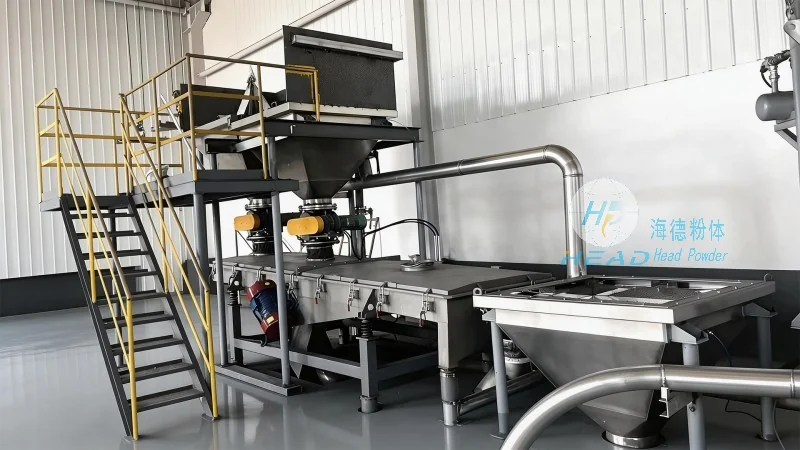
Advantages and Considerations in Long-Distance Pneumatic Conveying
Long-distance pneumatic conveying offers several advantages over traditional mechanical conveying methods. These include the ability to transport materials in a closed system, which reduces dust contamination and environmental impact. The system is also flexible, allowing for changes in material type or flow rate without major modifications. Additionally, pneumatic conveying can handle materials that are difficult to transport mechanically, such as powders, granules, and fine particles. However, there are considerations to keep in mind, such as the need for proper air filtration to prevent dust buildup in the system, the potential for pressure drops over long distances, and the requirement for regular maintenance to ensure efficient operation. The choice between positive and negative pressure systems depends on the specific application, material characteristics, and distance to be covered.
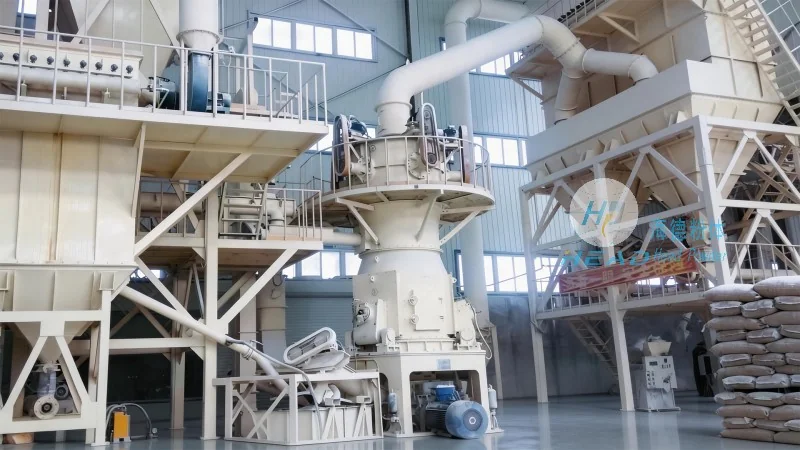
Applications and Industries Utilizing Long-Distance Pneumatic Conveying
Long-distance pneumatic conveying lines are employed in a variety of industries where bulk material transport is essential. In the food and beverage industry, these systems are used to transport ingredients like flour, sugar, and spices from storage to processing areas, ensuring hygiene and preventing contamination. In the pharmaceutical industry, pneumatic conveying is used to transport raw materials and finished products in a sterile environment, maintaining product quality and safety. The chemical industry utilizes these systems to transport powders and granules, such as chemicals and pigments, from production lines to storage facilities. In mining and mineral processing, pneumatic conveying is used to transport ore and other materials from mines to processing plants, reducing the need for trucks and other heavy machinery. Each application requires a customized system design to meet the specific needs of the industry and the material being transported.
Conclusion
Long-distance pneumatic conveying lines are efficient and reliable systems for transporting bulk materials over significant distances. The operation process involves a series of steps, from material feeding to air compression and transport, all controlled by a sophisticated system. The working principle relies on the use of air pressure or vacuum to move material through pipelines, with components like blowers, feeders, and filters working together to ensure smooth operation. Companies like Shandong HeadPowder Engineering Co., Ltd., based in China, specialize in designing and manufacturing these systems, providing tailored solutions for various industrial applications. By understanding the key components, working principles, and operation process, industries can effectively utilize pneumatic conveying to enhance their material handling processes and improve overall efficiency.




