HeadPowder, a leading manufacturer based in Shandong, China, specializes in the design and production of advanced pneumatic conveying systems for polypropylene resin powders. The equipment is engineered to efficiently transport polypropylene resin powder from storage silos or hoppers to processing units, ensuring smooth and reliable material handling in industrial applications. This article provides an in-depth look at the operation process and working principle of such systems, highlighting key components, operational steps, and the technical advantages they offer.
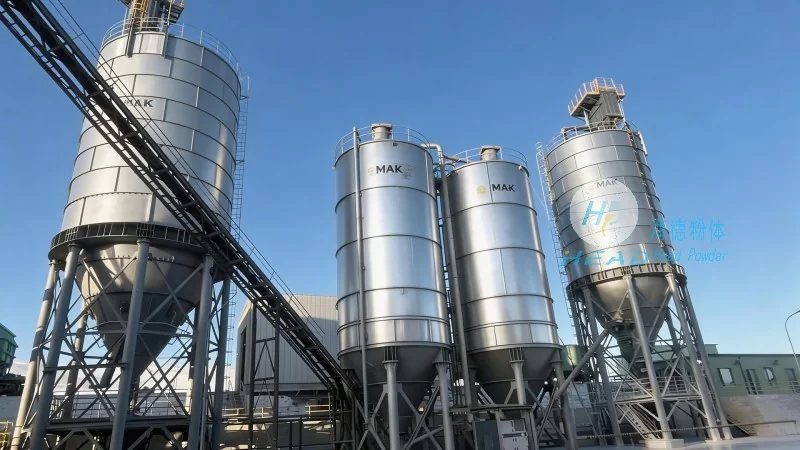
Key Components of the Pneumatic Conveying System
The polypropylene resin powder pneumatic conveying equipment typically consists of several critical components that work in tandem to achieve effective material transport. These include a hopper or storage silo for powder storage, a rotary valve or feeder to control the flow of resin powder, a conveying line (usually made of stainless steel or other corrosion-resistant materials), a blower or air compressor to generate the necessary air pressure, and a receiver or discharge hopper where the powder is deposited. Each component plays a vital role in maintaining the integrity of the polypropylene resin powder and ensuring the system operates efficiently without material degradation or blockages.
Operation Process of the Pneumatic Conveying Equipment
The operation of the polypropylene resin powder pneumatic conveying system follows a systematic sequence of steps. Initially, the polypropylene resin powder is fed into the hopper or storage silo from the production or storage area. The rotary valve or feeder then regulates the flow rate of the powder, ensuring a consistent and controlled discharge into the conveying line. Simultaneously, the blower or air compressor generates a high-pressure air stream that is introduced into the conveying line. As the air flows through the line, it entrains the polypropylene resin powder particles, creating a dense phase or dilute phase flow depending on the system design. The air-powder mixture is then transported to the receiver or discharge hopper, where the air is separated from the powder, and the powder is collected for further processing. The system may also include a filter or dust collector to capture any fine particles and ensure environmental compliance.
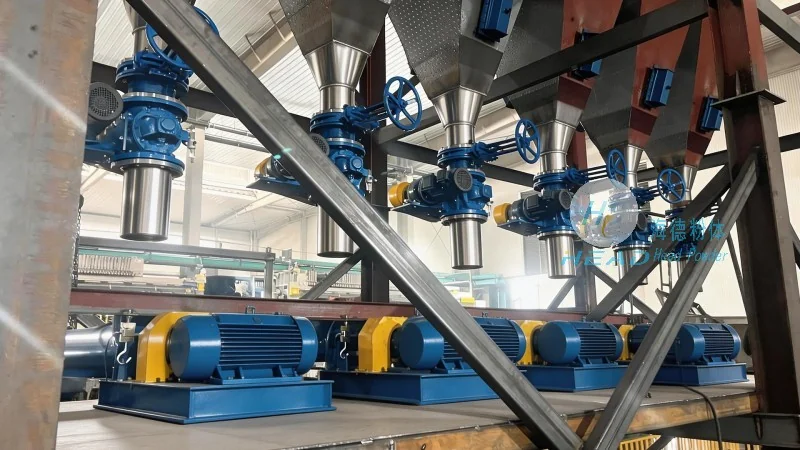
Working Principle of the Pneumatic Conveying System
The core working principle of the polypropylene resin powder pneumatic conveying equipment is based on the use of air as the conveying medium to transport solid particles. There are two main types of pneumatic conveying systems: dense phase and dilute phase. In dense phase systems, the air velocity is relatively low, and the powder is conveyed in a slurry-like state, minimizing particle degradation and ensuring a gentle handling of the polypropylene resin powder. Dilute phase systems, on the other hand, use higher air velocities to transport the powder in a more dispersed state, which is suitable for longer distances but may require more energy. The blower or air compressor provides the necessary pressure and airflow to create the conveying force. The rotary valve or feeder controls the powder feed rate, while the conveying line's design (diameter, length, and bends) is optimized to minimize pressure drop and prevent blockages. The receiver or discharge hopper is designed to efficiently separate the air from the powder, ensuring that the polypropylene resin powder is collected without any air leakage or contamination.
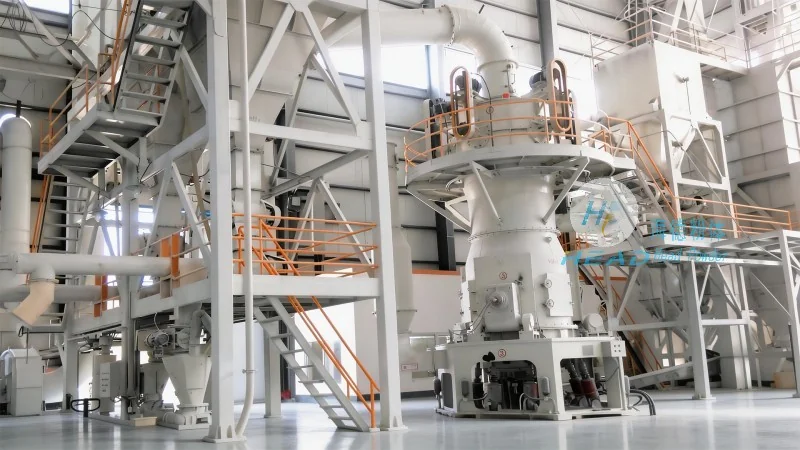
Advantages of Using Pneumatic Conveying for Polypropylene Resin Powder
Implementing a pneumatic conveying system for polypropylene resin powder offers several significant advantages over traditional mechanical conveying methods. Firstly, it eliminates the need for mechanical components such as conveyor belts or screw conveyors, reducing maintenance costs and minimizing the risk of material contamination. The system is also highly flexible, allowing for easy integration with existing production lines and the ability to transport the powder over long distances without the need for intermediate storage. Additionally, the gentle handling of the polypropylene resin powder prevents agglomeration or degradation, maintaining the quality of the material for downstream processing. The system is also more hygienic and easier to clean, which is crucial in industries where product purity is paramount. Furthermore, the energy efficiency of modern pneumatic conveying systems, particularly dense phase designs, makes them a cost-effective solution for large-scale polypropylene resin powder transport.
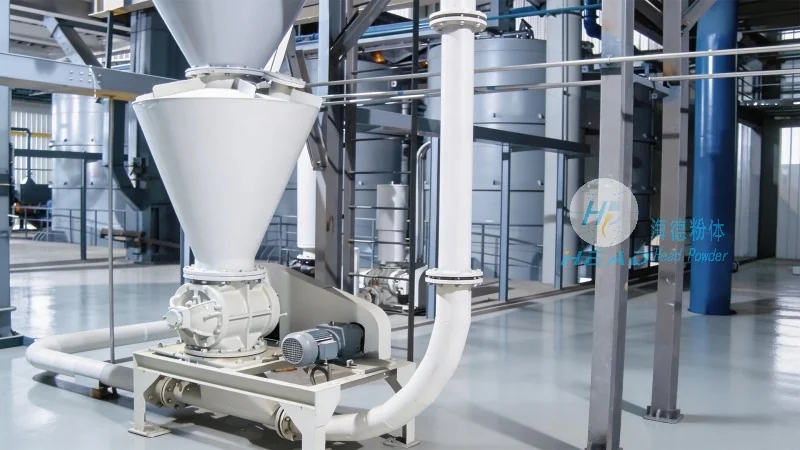
Applications and Industries Served by HeadPowder
HeadPowder's polypropylene resin powder pneumatic conveying equipment is widely used in various industries that rely on the efficient handling of polypropylene resin powders. These include the plastics manufacturing industry, where the equipment is used to transport resin from storage to extrusion or molding machines. The system is also utilized in the chemical industry for transporting polypropylene-based chemicals, and in the food and pharmaceutical sectors where the hygienic design of the equipment ensures compliance with strict regulatory standards. The versatility of the system allows it to be adapted to different production scales, from small-scale laboratory applications to large industrial plants, making it a reliable solution for diverse material handling needs.
Conclusion and Company Overview
HeadPowder Engineering Co., Ltd., based in Shandong, China, is a reputable manufacturer specializing in the development and production of advanced pneumatic conveying systems for polypropylene resin powders. The company's equipment is designed to meet the stringent requirements of modern industrial applications, ensuring efficient, reliable, and hygienic material transport. By leveraging the operation process and working principle of pneumatic conveying, HeadPowder provides solutions that enhance productivity, reduce costs, and maintain the quality of polypropylene resin powders. With a focus on innovation and customer satisfaction, HeadPowder continues to be a trusted partner in the plastics and related industries, delivering high-quality equipment that meets the evolving needs of its clients.




