HeadPowder, a reputable enterprise headquartered in Shandong, China, is dedicated to developing and manufacturing high-performance pneumatic conveying systems specifically for the lithium-ion battery industry. The company's expertise lies in creating customized solutions that address the unique challenges of handling raw materials such as lithium carbonate, lithium hydroxide, cobalt oxide, and nickel sulfate. These materials are often fine powders or granules that require precise and safe transportation to avoid degradation or contamination. The pneumatic conveying equipment from HeadPowder is engineered to meet the stringent requirements of modern battery manufacturing, ensuring that raw materials are transferred efficiently and with minimal loss or quality compromise.
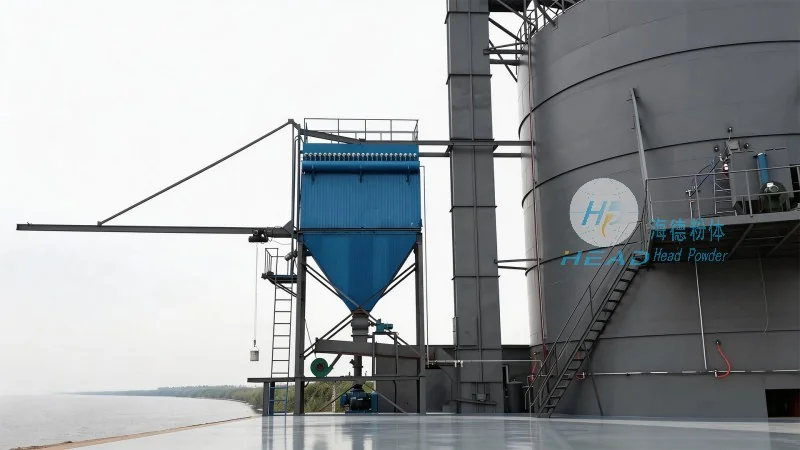
Key Components and Structure of the Pneumatic Conveying System
The pneumatic conveying equipment for lithium-ion battery raw materials typically consists of several core components that work in concert to facilitate material transport. These include a material hopper or feeder, a conveying pipeline, a pressure vessel or receiver, a blower or air compressor, and control valves. The material hopper is designed to store and feed the raw materials into the system, while the conveying pipeline, often made of stainless steel or other corrosion-resistant materials, ensures the safe and efficient movement of the material. The pressure vessel or receiver collects the conveyed material and regulates the system's pressure. The blower or air compressor generates the necessary airflow to move the material through the pipeline, and control valves manage the flow rate and direction of the air and material. Each component is engineered to meet the specific demands of lithium-ion battery raw material handling, ensuring durability, reliability, and compliance with industry standards.
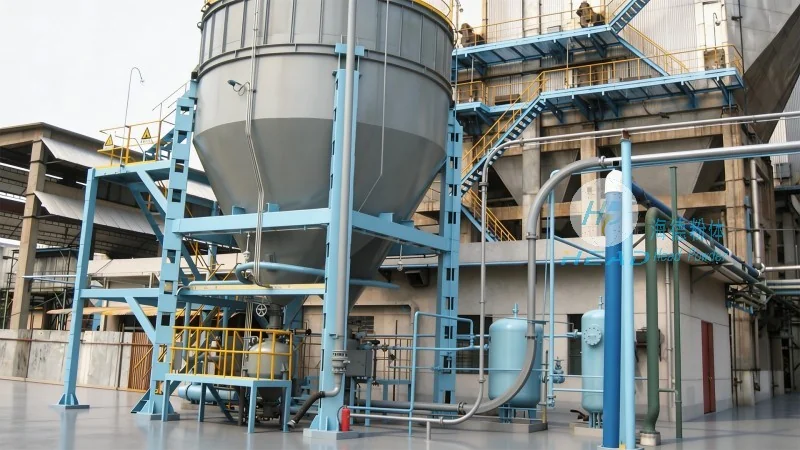
Operating Process of the Pneumatic Conveying Equipment
The operation of the pneumatic conveying system for lithium-ion battery raw materials involves a sequential process that ensures smooth and continuous material transfer. Initially, the raw materials are loaded into the material hopper. The feeder then regulates the flow of material into the conveying pipeline. Simultaneously, the blower or air compressor starts, generating a high-pressure airflow that propels the material through the pipeline. As the material travels, it is carried by the air stream, which may be in a dilute phase (where material particles are dispersed in the air) or a dense phase (where material is more concentrated). The system's control system monitors the pressure and flow rates, adjusting them as needed to maintain optimal conveying conditions. The material is then deposited into the pressure vessel or receiver at the destination point. From there, it can be further processed or stored. The entire process is automated, with sensors and controls ensuring consistent performance and minimizing downtime. This operation mode is particularly effective for handling fine powders and granules, which are common in lithium-ion battery raw material processing.
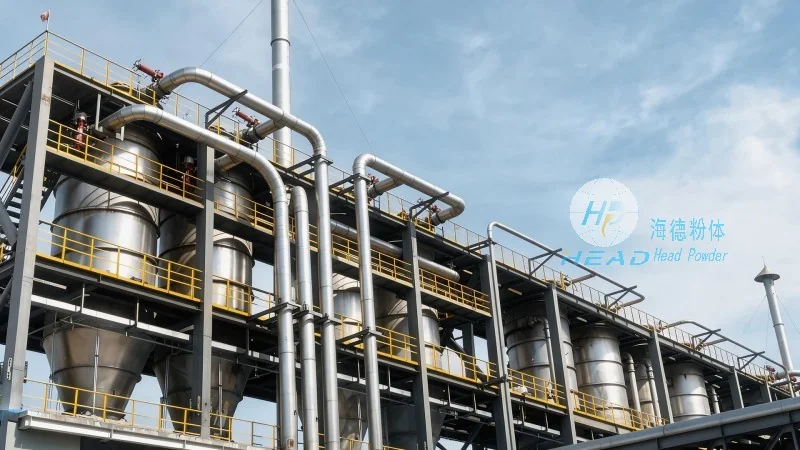
Working Principle of the Pneumatic Conveying System
The working principle of the pneumatic conveying equipment relies on the fundamental physics of fluid dynamics and particle transport. In a pneumatic conveying system, the material is suspended and transported by an air stream. The key is the balance between the air velocity and the material's terminal velocity. The air velocity must be higher than the material's terminal velocity to keep the particles in suspension and prevent them from settling. The system operates under either positive pressure (where the air is forced through the pipeline) or negative pressure (where the air is drawn through the pipeline). For lithium-ion battery raw materials, positive pressure systems are more common as they provide better control over material flow and reduce the risk of dust contamination. The blower or air compressor provides the necessary pressure to move the material, and the pipeline design, including bends and fittings, is optimized to minimize pressure loss and maintain efficient transport. The control valves regulate the air flow and material feed, ensuring that the system operates within safe and efficient parameters. The receiver or pressure vessel collects the material, and the system's design ensures that the material is discharged smoothly without causing blockages or spills. This working principle allows for a flexible and versatile solution for transporting various types of raw materials used in lithium-ion battery production, from powders to small granules.
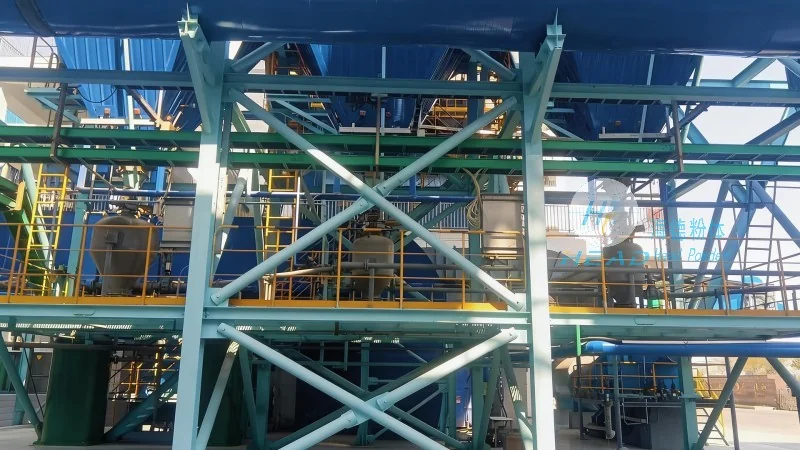
Advantages of Using Pneumatic Conveying Equipment for Lithium-Ion Battery Raw Materials
Implementing pneumatic conveying equipment for lithium-ion battery raw materials offers several significant advantages over traditional methods such as belt conveyors or bucket elevators. First, the system provides a dust-free and enclosed environment, which is critical for maintaining material purity and preventing contamination, especially with sensitive materials like lithium compounds. This enclosed design also enhances workplace safety by reducing the risk of dust inhalation and fire hazards. Second, the equipment offers high efficiency in material transport, with the ability to handle large volumes of material at high speeds, reducing processing time and increasing overall productivity. Third, the system is flexible and can be easily integrated into existing production lines, allowing for modular expansion as production needs grow. Fourth, the equipment is compact and requires less floor space compared to traditional bulk handling systems, making it suitable for facilities with limited space. Additionally, the automated control system reduces the need for manual intervention, minimizing human error and labor costs. These advantages make pneumatic conveying an ideal choice for modern lithium-ion battery manufacturing, where efficiency, safety, and material quality are paramount.




